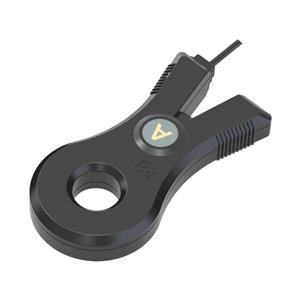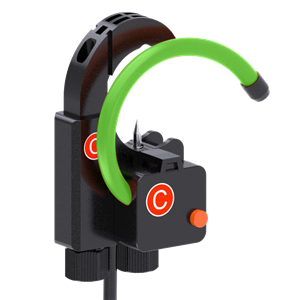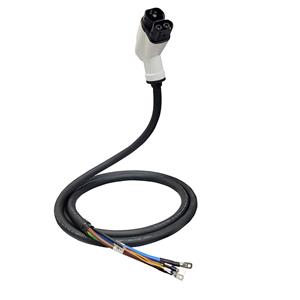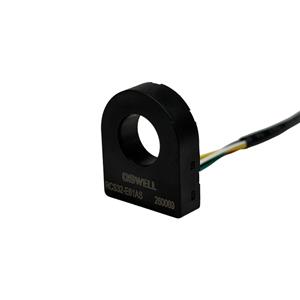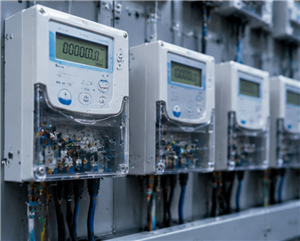
Smart meter components are essential building blocks for modern smart grid development. By providing accurate, reliable, and real-time electrical measurement data, current transformers, current sensors, and precision measurement components help utilities improve energy efficiency, optimize power distribution, and build smarter energy networks. For smart meter manufacturers and global procurement teams, choosing reliable component suppliers is a key step toward creating future-ready energy solutions.
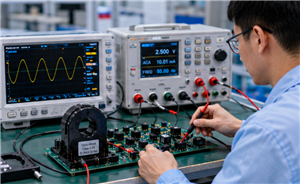
Choosing a current transformer for smart meter projects without causing accuracy problems requires more than checking rated current or one good sample result. The right CT should match the real operating range, burden condition, linearity target, mounting structure, insulation needs, and supplier batch consistency requirements of the project. When these points are reviewed together, buyers and engineers can reduce calibration trouble, avoid hidden measurement errors, and support more reliable long-term smart meter performance.
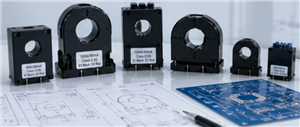
Buyers should provide clear application, electrical, dimensional, installation, safety, and project information before requesting a smart meter CT quote. Doing so helps the supplier recommend the right model faster, reduces repeated communication, improves quotation accuracy, and shortens the sampling and decision process. A better CT RFQ leads to a better quotation, and a better quotation usually leads to a smoother smart meter project.
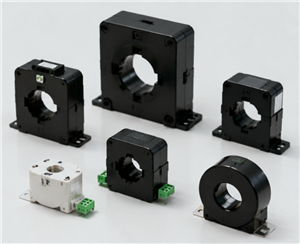
Selecting the right current transformer is essential for achieving accurate and reliable power measurement in smart meters and monitoring systems. Factors such as accuracy class, current ratio, environmental performance, and supplier capability all influence the final system performance. For smart meter manufacturers and global procurement teams, partnering with an experienced current transformer supplier can help build more reliable, efficient, and future-ready energy measurement solutions.
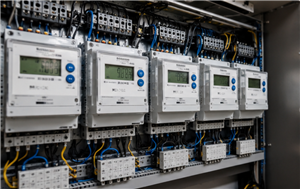
Smart energy meters are transforming the way modern buildings manage electricity consumption. By combining advanced measurement components with intelligent monitoring technologies, smart meters help improve energy efficiency, reduce operational costs, and support sustainable development. For smart meter manufacturers and procurement teams, selecting reliable current measurement components and experienced suppliers is essential for creating advanced energy management solutions for the future.
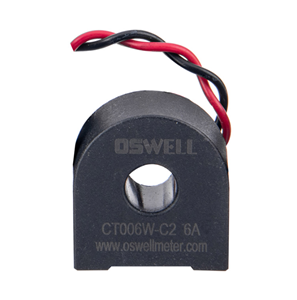
The most important reliability tests for smart meter components before mass production are the ones that verify real long-term stability rather than only initial function. Thermal testing, electrical and insulation checks, endurance evaluation, environmental stress review, structural validation, and batch consistency comparison all play a key role in reducing launch risk. When these tests are selected according to the real application and combined with system-level verification, project teams can move into mass production with stronger confidence, better quality control, and lower field failure risk.