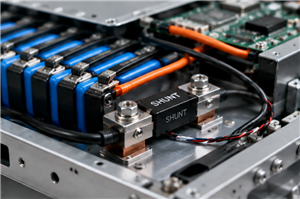
Shunt resistor accuracy has a direct influence on the quality of current data used by Battery Management Systems. Errors caused by resistance tolerance, temperature variation, thermal conditions, or long-term drift can affect SOC calculations and the historical data used for SOH analysis. For EV manufacturers, BMS developers, and energy storage procurement teams, selecting precision shunt resistors should therefore involve more than comparing nominal resistance and price. Stable resistance performance, low TCR, thermal reliability, production consistency, and supplier engineering support are all critical factors in building accurate and dependable battery management systems.
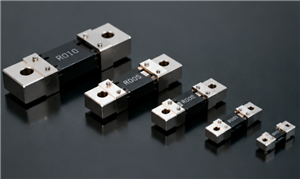
Shunt resistors are essential components in modern electric vehicle Battery Management Systems, providing accurate current measurement for safer and more efficient battery operation. By improving energy monitoring, charging control, and battery protection, precision shunt resistors help EV manufacturers develop more reliable products. For procurement teams, selecting high-quality shunt resistor suppliers with strong technical capabilities is a key step toward building advanced electric mobility solutions.
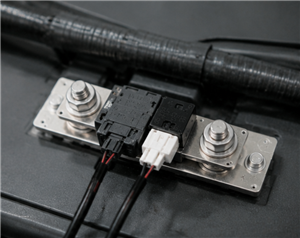
Thermal stability is one of the most important performance requirements for EV battery shunt resistors. As electric vehicles continue to demand higher power output and faster charging capability, reliable current measurement components become essential for ensuring battery safety and efficiency. By selecting precision shunt resistors with excellent thermal performance and partnering with experienced suppliers, EV manufacturers can build more reliable battery systems and support the future development of electric mobility.
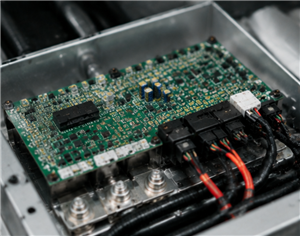
Precision shunt resistors are becoming increasingly important in modern electric vehicle battery management systems. By providing accurate, stable, and reliable current measurement, they help improve battery safety, optimize energy efficiency, and extend battery lifespan. As EV technology continues to evolve, manufacturers and procurement teams need dependable current measurement partners who can deliver high-quality components and customized solutions. Precision shunt resistor technology will continue to play a key role in building safer, smarter, and more efficient electric vehicles worldwide.
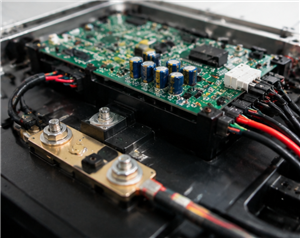
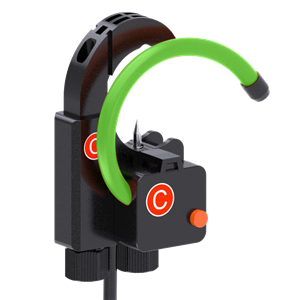
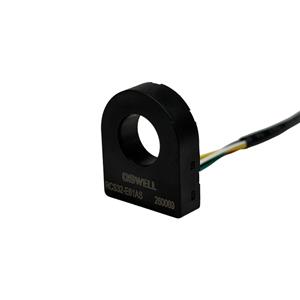
Both shunt resistors and Hall effect sensors play important roles in electric vehicle current measurement systems. The best solution depends on application requirements such as accuracy, isolation, cost, and system design. For many EV battery monitoring applications, precision shunt resistors provide excellent accuracy, compact design, and cost advantages, making them a preferred choice for modern BMS solutions. By selecting reliable current measurement components and experienced suppliers, EV manufacturers can improve battery safety, optimize energy efficiency, and build more advanced electric mobility systems.