How Current Measurement Components Enable Predictive Maintenance in Industrial Electrical Systems
How Current Measurement Components Enable Predictive Maintenance in Industrial Electrical Systems
Unplanned downtime is one of the most expensive problems in modern industrial facilities. Motors, pumps, compressors, production lines, switchgear, and other electrical equipment may operate continuously for thousands of hours, and even a relatively small electrical fault can lead to production interruptions, maintenance costs, or equipment damage.
Predictive maintenance helps manufacturers move away from fixed maintenance schedules toward condition-based decisions. Instead of waiting for equipment to fail, factories continuously monitor operating data and identify abnormal trends before they develop into serious problems. Current measurement is particularly valuable because changes in electrical current often reflect changes in machine load, operating efficiency, or equipment condition.
Current transformers, current sensors, Rogowski coils, and other measurement components provide the electrical data required for these monitoring systems. For industrial automation manufacturers, energy monitoring companies, panel builders, and procurement teams, choosing reliable current measurement components can improve equipment visibility and strengthen predictive maintenance capabilities.
1. How Current Data Helps Detect Developing Equipment Problems
Electrical equipment normally operates within a predictable current range. When mechanical or electrical conditions begin to change, the current signature of the equipment may also change. Continuous current monitoring allows maintenance systems to detect these deviations and compare them with historical operating patterns.
For example, an industrial motor drawing gradually increasing current may indicate additional mechanical load, bearing wear, poor alignment, increased friction, or process-related problems. A sudden current increase may indicate overload or equipment blockage, while unexpected current fluctuations may point to unstable operating conditions.
Current measurement can support condition monitoring for equipment including:
Industrial motors
Pumps and compressors
Conveyor systems
HVAC equipment
Machine tools
Automated production lines
Power distribution equipment
By tracking current trends over time, maintenance teams can create a normal operating baseline for each machine. When measurement values move outside that expected pattern, the monitoring platform can trigger an alert or recommend inspection.
This approach allows maintenance personnel to investigate potential problems before equipment completely fails, helping reduce emergency repairs and unplanned production downtime.
2. Choosing the Right Current Measurement Technology for Predictive Maintenance
Different industrial monitoring applications require different sensing technologies. Procurement teams should select measurement components based on current range, installation environment, required accuracy, available space, and monitoring objectives.
Current Transformers:
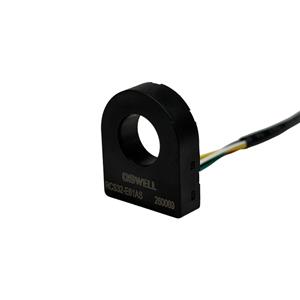
Current transformers are widely used for AC load monitoring in motors, distribution panels, and industrial equipment. They provide reliable measurement and are available in different structures for both new installations and retrofit projects.
Split-Core Current Transformers:
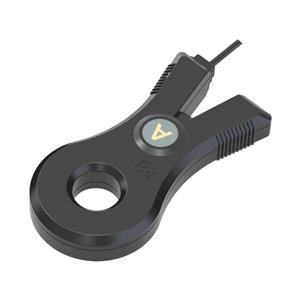
Split-core CTs are particularly useful when monitoring systems are added to existing equipment. They can be installed around existing conductors without completely disconnecting the cable, helping reduce retrofit installation time.
Current Sensors:
Current sensors can provide compact and responsive measurement solutions for industrial control systems requiring real-time electrical data. Depending on the sensing technology, they may support AC, DC, or bidirectional current measurement.
Rogowski Coils:
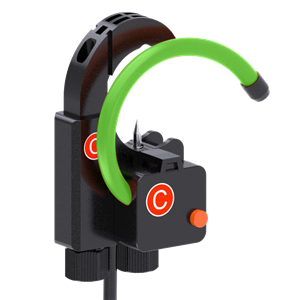
For large busbars or high-current applications, flexible Rogowski coils can provide easier installation and a wide measurement range. Their flexible structure is useful when rigid CTs are difficult to fit around large conductors.
For predictive maintenance projects, measurement repeatability can be more important than simply achieving the highest possible specification. If sensor output changes because of temperature drift, aging, inconsistent manufacturing, or poor installation, the monitoring system may interpret sensor variation as equipment deterioration.
Buyers should therefore evaluate accuracy, linearity, temperature stability, long-term drift, and production consistency when selecting measurement components.
3. What OEM Buyers Should Evaluate When Building Industrial Monitoring Systems
Predictive maintenance systems often combine current measurement components with PLCs, industrial IoT gateways, power monitoring devices, SCADA systems, and cloud-based analytics platforms. The quality of the final maintenance insight depends on the reliability of the data entering the system.
For OEM equipment manufacturers and system integrators, supplier evaluation should therefore extend beyond the sensor datasheet.
Important procurement considerations include:
Measurement stability across the required current range
Repeatability between production batches
Temperature and environmental performance
Output signal compatibility
Installation and mounting flexibility
Electrical isolation requirements
Long-term product availability
Customization and engineering support
Installation design is also important. A sensor that is difficult to install may significantly increase the cost of deploying hundreds or thousands of monitoring points across a factory. Split-core CTs and flexible sensing solutions can provide advantages for retrofit projects, while PCB-mounted or fixed-core solutions may be more suitable for new equipment designs.
OEM buyers should also consider whether suppliers can support different aperture sizes, current ratios, outputs, lead wires, connectors, and mounting structures. Standardizing customized measurement components across a product family can simplify system design and purchasing.
As industrial facilities adopt more connected equipment and data-driven maintenance strategies, current measurement will become an increasingly valuable source of machine health information. Reliable sensing components help ensure that predictive maintenance platforms identify real equipment trends rather than measurement errors.
Conclusion
Current measurement components provide valuable operating data that can help industrial predictive maintenance systems identify abnormal machine behavior before serious failures occur. By monitoring changes in motor loads, production equipment, and electrical distribution systems, manufacturers can reduce unplanned downtime and improve maintenance efficiency. For OEM buyers and industrial system integrators, selecting reliable current transformers, current sensors, split-core CTs, or Rogowski coils requires careful evaluation of measurement stability, installation flexibility, production consistency, and supplier engineering support. High-quality current data provides a stronger foundation for smarter and more effective predictive maintenance.