How Current Sensors Help Improve Energy Efficiency in Data Centers
How Current Sensors Help Improve Energy Efficiency in Data Centers
Data centers have become one of the most energy-intensive facilities in the modern digital economy. With the rapid growth of cloud computing, artificial intelligence, online services, and enterprise applications, data center operators are facing increasing pressure to improve energy efficiency while maintaining reliable and uninterrupted operation.
Accurate power monitoring is essential for achieving these goals. Current sensors provide real-time information about electrical consumption across servers, power distribution units, cooling systems, and other critical infrastructure. By collecting precise current data, operators can better understand energy usage patterns, identify inefficiencies, and optimize overall facility performance.
For data center equipment manufacturers, power management solution providers, and electrical component procurement teams, selecting reliable current sensing solutions is becoming increasingly important for building efficient and intelligent power monitoring systems.
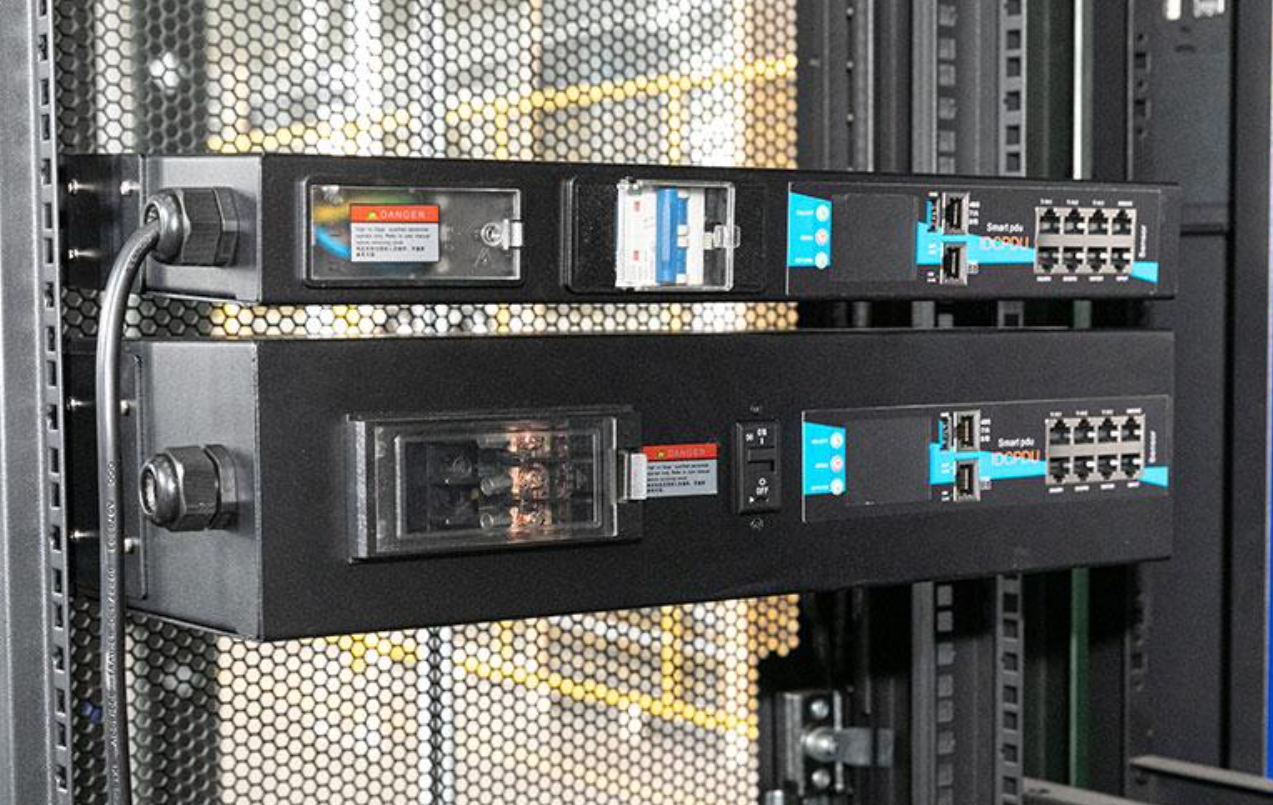
1. Why Energy Monitoring Is Critical for Modern Data Centers
Data centers operate continuously and require stable power delivery to support servers, storage systems, networking equipment, and cooling infrastructure. Even small improvements in energy efficiency can create significant cost savings when applied across large-scale facilities.
Traditional power monitoring methods may not provide enough detail to understand how electricity is distributed throughout a data center. Modern facilities require real-time visibility into power consumption at different levels, including utility input, distribution systems, racks, and individual equipment groups.
Current sensors help provide this visibility by measuring electrical current flowing through different parts of the power system. This data allows operators to analyze:
Server rack power consumption
Power distribution efficiency
Cooling system energy usage
Electrical load balance
Peak demand patterns
Equipment operating conditions
With accurate current monitoring, data center operators can identify areas where energy is being wasted and make informed decisions about equipment configuration, workload distribution, and infrastructure upgrades.
For example, current monitoring can reveal underutilized servers consuming unnecessary power or identify overloaded circuits that may affect system reliability. This allows operators to optimize energy usage while maintaining required performance levels.
As data centers continue expanding, real-time electrical measurement has become a fundamental technology for improving operational efficiency and reducing energy costs.
2. How Current Sensors Support Data Center Power Optimization
Current sensors provide more than simple electrical measurement. When integrated with power monitoring platforms, building management systems, and energy management software, they become an important tool for improving data center efficiency.
Improved Power Usage Effectiveness (PUE) Management:
PUE is a key indicator used to evaluate data center energy efficiency. Accurate current measurement helps operators understand where power is consumed and identify opportunities to reduce unnecessary energy usage.
Better Load Management:
Uneven power distribution can create efficiency problems and increase operational risks. Current sensors help monitor electrical loads across different circuits and equipment groups, allowing operators to balance power usage more effectively.
Cooling Optimization:
Cooling systems represent a significant portion of data center energy consumption. By monitoring equipment power demand, operators can better match cooling requirements with actual workload conditions.
Predictive Maintenance:
Changes in current patterns may indicate equipment problems before failures occur. Continuous monitoring helps identify abnormal electrical behavior and supports preventive maintenance strategies.
Capacity Planning:
Accurate power data helps data center operators understand available electrical capacity before adding new servers or expanding infrastructure.
When selecting current sensors for data center applications, procurement teams should consider:
Measurement accuracy
Temperature stability
Response speed
Compact installation design
Long-term reliability
Compatibility with monitoring systems
Because data centers require continuous operation, measurement components must provide stable performance over long periods. A reliable current sensor supplier should provide consistent quality, testing capability, and technical support for integration.
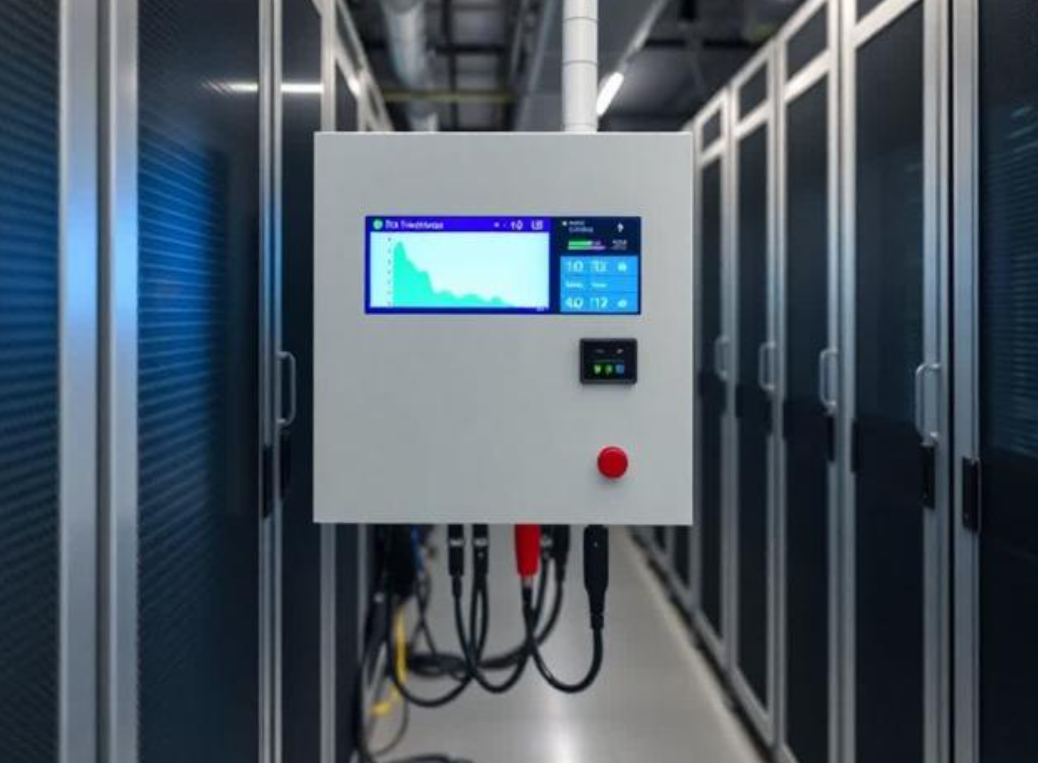
3. Choosing the Right Current Sensor Solution for Future Data Center Infrastructure
The future development of data centers will be closely connected with artificial intelligence, cloud computing, edge computing, and high-performance computing. These applications require even greater power capacity and more precise energy management.
As electrical systems become more complex, current sensing technology will play an increasingly important role in supporting intelligent power management.
Future data center applications will require current measurement solutions for:
High-density server systems
AI computing infrastructure
Advanced power distribution units
Energy storage integration
Renewable energy-powered data centers
Smart facility management platforms
For OEM manufacturers and system integrators, supplier selection should focus on more than product specifications. Important factors include manufacturing consistency, customization capability, testing procedures, and long-term supply reliability.
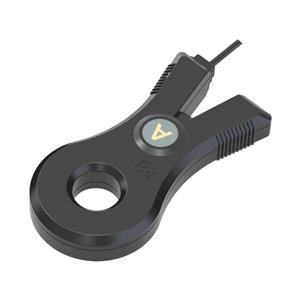
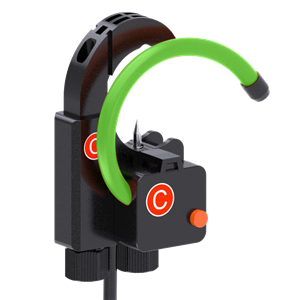
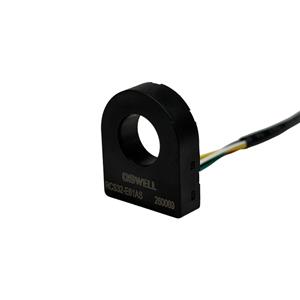
Different data center designs may require different sensing solutions. Compact current sensors may be suitable for rack-level monitoring, while current transformers or specialized measurement components may be better suited for higher-power distribution systems.
A professional supplier can help customers evaluate current range, installation structure, output requirements, environmental conditions, and system integration needs to develop a suitable measurement solution.
As global data center demand continues to increase, accurate current measurement will remain a key technology for improving energy efficiency, reducing operating costs, and creating smarter power management systems.
Conclusion
Current sensors play an important role in improving energy efficiency and reliability in modern data centers. By providing accurate real-time electrical data, they help operators optimize power distribution, improve cooling efficiency, support predictive maintenance, and make better infrastructure decisions. For data center equipment manufacturers and procurement teams, selecting current sensors with high accuracy, stable performance, and strong supplier support is essential for developing efficient and intelligent power management solutions. As data centers continue to grow worldwide, advanced current measurement technology will become increasingly important for building sustainable and reliable digital infrastructure.