How Current Transformers Improve Energy Management in Solar Inverter Systems
How Current Transformers Improve Energy Management in Solar Inverter Systems
The rapid growth of solar energy has created increasing demand for more intelligent and efficient power management solutions. As photovoltaic (PV) systems become larger and more complex, solar inverter systems must accurately monitor energy generation, control power conversion, and maintain stable grid interaction.
Current transformers (CTs) play an important role in solar inverter systems by providing accurate current measurement data. This information helps inverters monitor energy flow, improve conversion efficiency, support protection functions, and optimize overall system performance.
For solar inverter manufacturers, renewable energy system integrators, and electrical component procurement teams, selecting reliable current transformers is essential for developing efficient, safe, and long-lasting solar energy solutions.

1. Why Current Measurement Is Essential in Solar Inverter Systems
Solar inverters are responsible for converting the DC electricity generated by photovoltaic panels into usable AC power for homes, businesses, and electrical grids. During this conversion process, accurate current measurement is necessary to understand energy production, monitor system performance, and ensure safe operation.
Current transformers provide electrical measurement by converting high current signals into smaller measurable outputs that can be safely processed by monitoring and control circuits. This allows inverter systems to continuously analyze current flow without directly exposing sensitive electronics to high power levels.
In solar energy applications, current transformers support important functions including:
Solar power generation monitoring
DC and AC current measurement
Grid connection monitoring
Energy production analysis
Electrical protection functions
System performance optimization
Accurate current data allows solar inverter controllers to understand how much energy is being generated and how efficiently the system is operating. When current measurement is inaccurate, the inverter may not optimize power conversion effectively, leading to reduced energy utilization.
For large-scale solar installations, even small measurement errors can influence energy forecasting, maintenance decisions, and overall project profitability. Therefore, reliable current measurement components are becoming increasingly important in modern photovoltaic systems.
2. How Current Transformers Improve Solar Energy Efficiency and System Reliability
Modern solar inverter systems require stable measurement performance under changing environmental and electrical conditions. Solar generation varies throughout the day due to sunlight intensity, weather conditions, and seasonal changes, making accurate monitoring essential.
Current transformers help improve solar inverter performance in several important ways.
Accurate Energy Monitoring:
CTs provide reliable current data that helps operators calculate actual solar power generation and evaluate system efficiency. This supports better energy management and performance analysis.
Improved Inverter Control:
Inverters rely on measurement feedback to regulate power conversion. Accurate current signals help maintain stable operation and improve conversion efficiency.
Enhanced System Protection:
Current monitoring helps detect abnormal electrical conditions such as overloads, unexpected current changes, or system faults. This allows protection systems to respond quickly and reduce equipment risk.
Better Grid Integration:
Solar systems connected to the electrical grid require accurate monitoring to maintain stable power delivery. Current transformers help ensure that inverter output meets system requirements.
When selecting current transformers for solar inverter applications, procurement teams should evaluate:
Measurement accuracy
Current ratio requirements
Temperature stability
Frequency performance
Insulation capability
Mechanical integration
Long-term reliability
For OEM solar inverter manufacturers, supplier consistency is also critical. Large-scale production requires current transformers with stable electrical characteristics, reliable quality control, and consistent performance across production batches.
A professional CT supplier can help manufacturers select suitable designs based on inverter power rating, installation structure, environmental conditions, and system requirements.

3. Choosing the Right Current Transformer Supplier for Future Solar Applications
The solar energy industry is moving toward higher power capacity, smarter monitoring, and better integration with energy storage systems. These trends create new requirements for current measurement components used inside solar inverter systems.
Future solar applications will require measurement solutions that support:
Large-scale photovoltaic power plants
Residential solar storage systems
Commercial rooftop solar projects
Hybrid inverter systems
Smart energy management platforms
Renewable energy microgrids
For inverter manufacturers and system integrators, choosing the right current transformer supplier involves more than checking product specifications. Supplier capabilities in engineering support, customization, testing, and mass production are equally important.
Procurement teams should evaluate:
Manufacturing experience
Quality management systems
Product testing capability
Customization flexibility
Production capacity
Long-term supply reliability
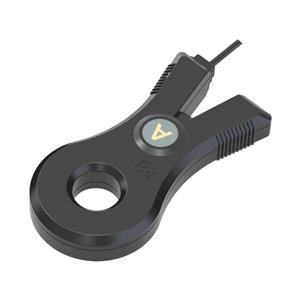
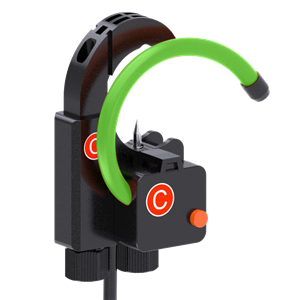
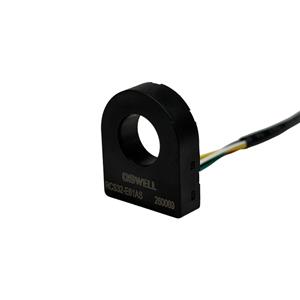
Different solar inverter designs may require different CT structures, including PCB-mounted CTs, busbar-mounted CTs, or customized current measurement solutions. Working with an experienced manufacturer allows engineers to optimize the design during the development stage and avoid integration problems later.
As global investment in renewable energy continues to increase, accurate current measurement will remain a key technology supporting safer, smarter, and more efficient solar power systems.
Conclusion
Current transformers are essential components for improving energy management in solar inverter systems. By providing accurate current measurement, CTs help optimize power conversion, improve system protection, support grid integration, and increase renewable energy efficiency. For solar inverter manufacturers and procurement teams, selecting current transformers with high accuracy, stable performance, reliable production quality, and strong supplier support is critical for developing competitive solar energy solutions. As photovoltaic systems continue expanding worldwide, advanced current measurement technology will remain an important foundation for smarter renewable energy management.