How Customized Current Measurement Solutions Reduce OEM Product Development Risks
How Customized Current Measurement Solutions Reduce OEM Product Development Risks
For OEM manufacturers, developing a new electrical product requires balancing performance, reliability, production efficiency, and cost control. Whether the application involves smart meters, electric vehicles, battery energy storage systems, industrial automation equipment, or renewable energy products, selecting the right current measurement solution is a critical part of the product development process.
Standard current transformers and current sensors may meet basic measurement requirements, but many OEM applications have unique challenges related to installation space, current range, accuracy requirements, environmental conditions, and system integration. Customized current measurement solutions allow manufacturers to optimize components based on their specific product designs and reduce potential development risks.
For engineering teams and procurement managers, working with an experienced current measurement supplier can improve product development efficiency, reduce redesign costs, and create more reliable final products.
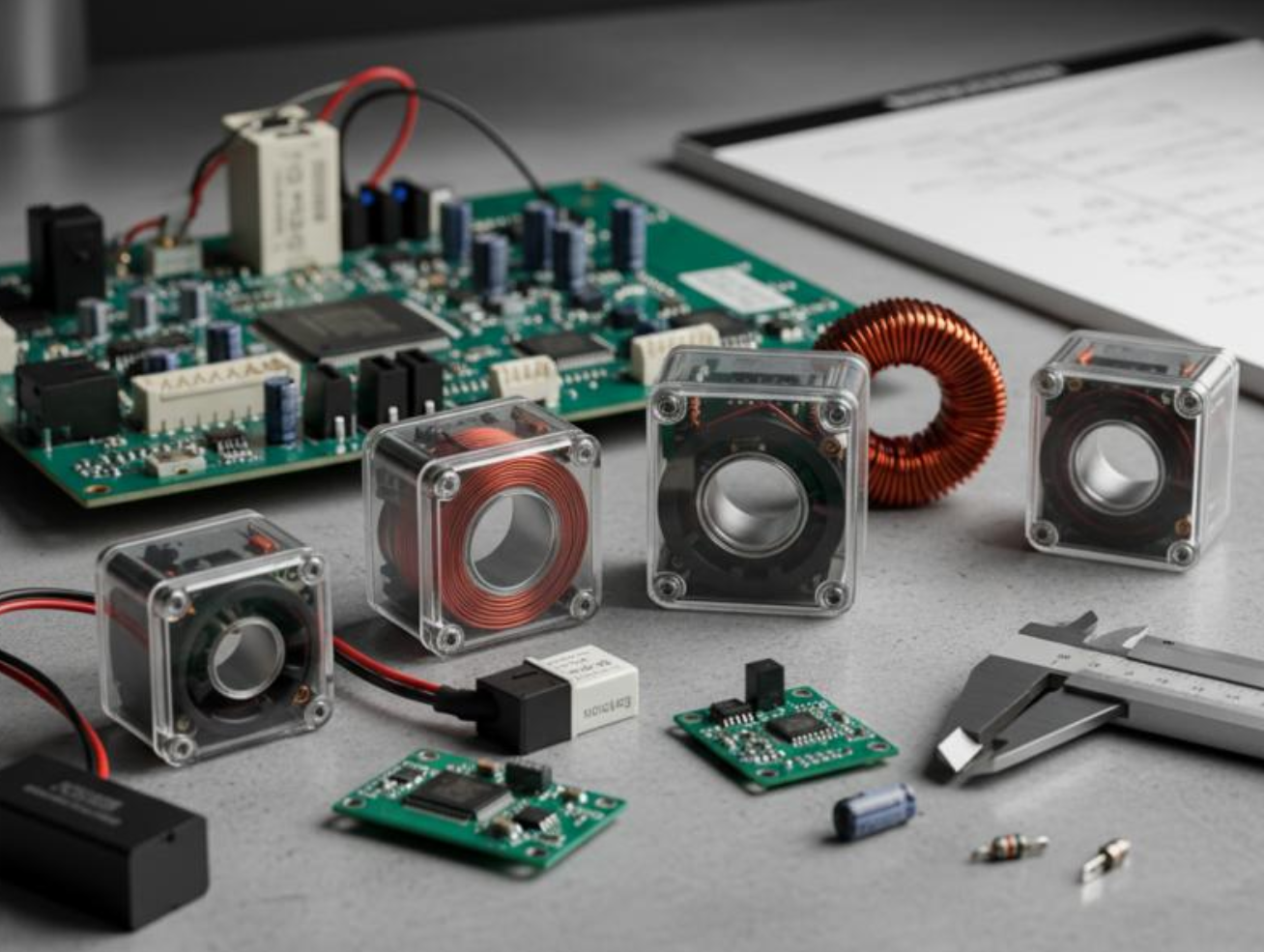
1. Why Standard Current Measurement Components May Not Meet OEM Requirements
OEM products are often designed around specific application environments and customer requirements. A component that works well in one system may not always provide the best performance in another product design.
Current measurement applications can vary significantly depending on:
Available installation space
Required current range
Measurement accuracy requirements
Operating temperature conditions
Mechanical structure
Electrical interface requirements
Production assembly process
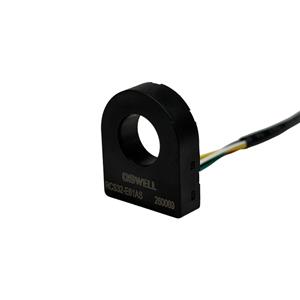
For example, a smart meter manufacturer may require a compact PCB-mounted current transformer that fits within a limited enclosure, while an industrial power monitoring system may need a larger busbar-mounted CT designed for higher current levels.
Similarly, an electric vehicle battery system may require a customized current sensor with specific isolation performance, thermal stability, and communication compatibility. Using an unsuitable standard component can create problems during product testing, certification, and mass production.
Common OEM development challenges caused by unsuitable measurement components include:
Repeated mechanical redesign
Additional calibration requirements
Reduced measurement accuracy
Longer product development cycles
Higher production costs
Customized measurement solutions help solve these challenges by allowing the component design to match the product architecture from the beginning.
2. How Customized Current Measurement Solutions Improve OEM Product Development
A customized current measurement solution is not simply a modified product. It is an engineering process where the supplier works with the customer to optimize electrical performance, mechanical integration, and production requirements.
Key customization advantages include:
Optimized Mechanical Integration:
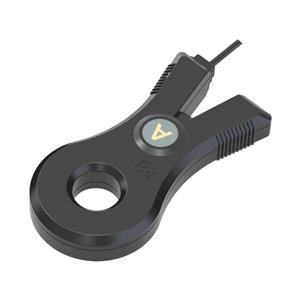
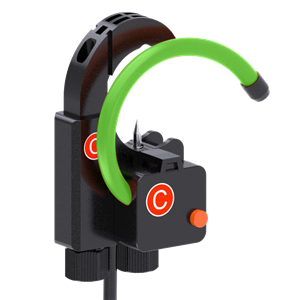
OEM products often have strict size limitations. Customized CTs, current sensors, and shunt resistors can be designed with specific dimensions, mounting methods, terminals, and structures to fit the final equipment.
Improved Measurement Performance:
Different applications require different accuracy levels, response speeds, temperature characteristics, and current ranges. Customized solutions allow engineers to select the appropriate specifications instead of compromising with general-purpose products.
Better System Compatibility:
Measurement components must work correctly with the customer's PCB design, control system, communication interface, and monitoring platform. Early cooperation between supplier and OEM team helps ensure smoother integration.
Reduced Testing and Qualification Risks:
When measurement components are designed specifically for the application, manufacturers can reduce unexpected issues during prototype testing and certification processes.
Higher Production Efficiency:
Customized structures can simplify assembly processes, reduce additional parts, and improve manufacturing consistency during mass production.
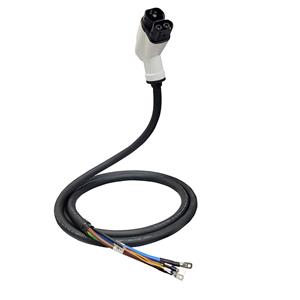
For example, a supplier may support OEM customers with customized current transformer ratios, special aperture sizes, specific lead wire configurations, PCB mounting structures, or application-specific testing requirements.
This engineering collaboration helps manufacturers move from component purchasing to solution development, creating a more reliable foundation for long-term production.
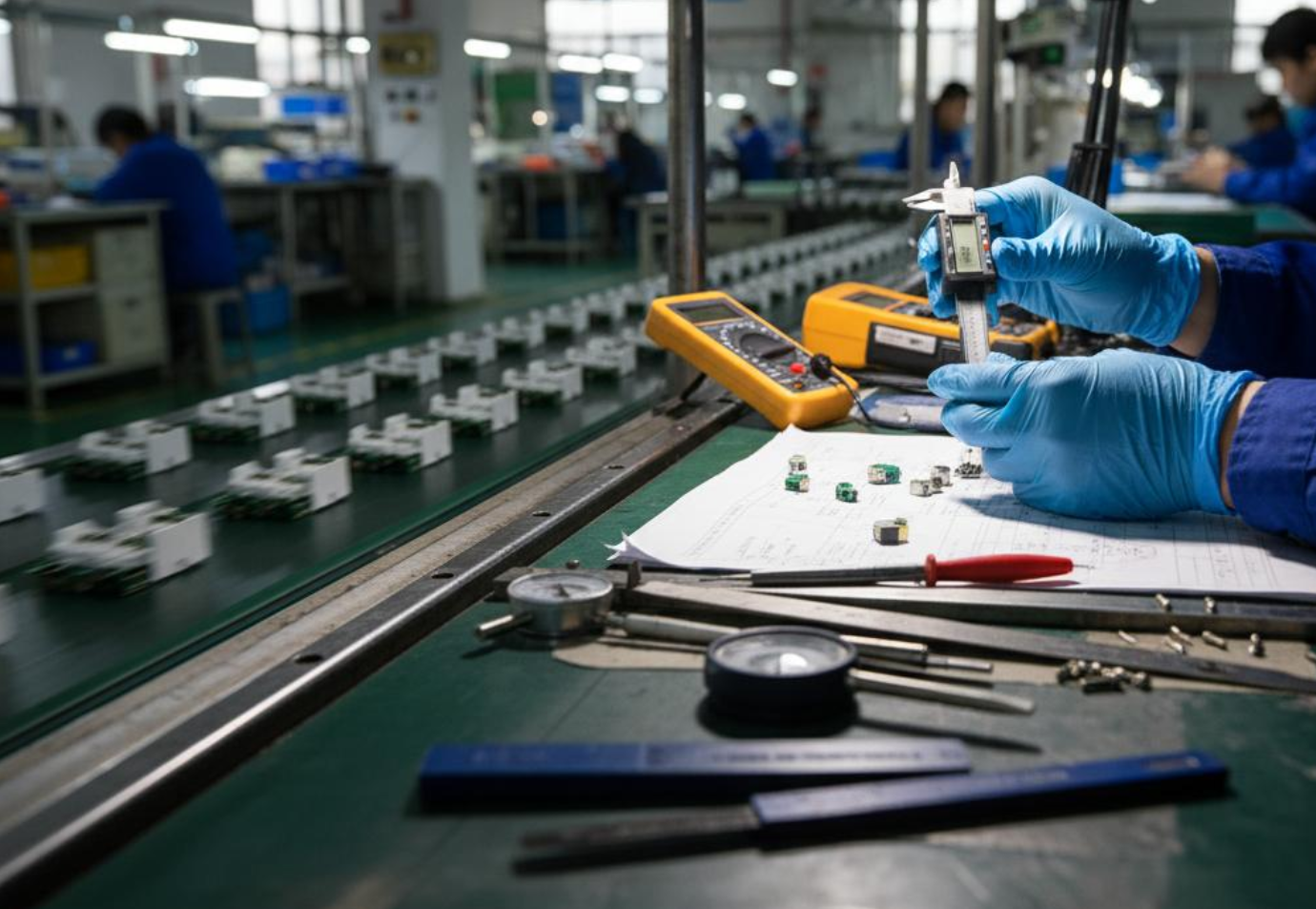
3. What OEM Buyers Should Evaluate When Selecting a Customized Measurement Supplier
Choosing a customized current measurement supplier requires more than evaluating product specifications. OEM customers need partners with engineering experience, manufacturing capability, and long-term support ability.
Important supplier evaluation factors include:
Experience with OEM customization projects
Engineering design support capability
Prototype development ability
Mass production capacity
Quality control systems
Electrical testing capability
Production traceability
Long-term supply stability
A reliable supplier should be able to participate during different product development stages, including initial design discussions, sample validation, performance testing, and final production.
For high-volume OEM projects, manufacturing consistency is especially important. A customized solution must not only perform well during prototype evaluation but also maintain the same characteristics across thousands or millions of production units.
Procurement teams should also consider whether suppliers can provide continuous technical support after mass production begins. Future product upgrades, specification changes, and market expansion may require additional customization support.
By selecting the right partner, OEM manufacturers can reduce development uncertainty, shorten time-to-market, and build products with stronger reliability and competitiveness.
As industries continue moving toward electrification, intelligent energy management, and advanced automation, customized current measurement solutions will become increasingly important in helping manufacturers develop next-generation electrical products.
Conclusion
Customized current measurement solutions help OEM manufacturers reduce product development risks by providing components designed specifically for their electrical, mechanical, and production requirements. From smart meters and EV systems to industrial automation and renewable energy equipment, customized current transformers, sensors, and shunt resistors can improve integration efficiency, measurement reliability, and manufacturing consistency. For procurement teams, partnering with an experienced supplier that offers engineering support, customization capability, and stable mass production is essential for developing competitive and reliable electrical products.