How DC Current Sensors Support Battery Storage and Renewable Energy Monitoring Systems
How DC Current Sensors Support Battery Storage and Renewable Energy Monitoring Systems
As renewable energy continues to expand worldwide, battery energy storage systems (BESS) are becoming increasingly important for balancing power generation, improving grid stability, and maximizing renewable energy utilization. Solar power, wind energy, electric vehicle charging infrastructure, and industrial energy systems all require accurate monitoring of DC power flow to achieve efficient and reliable operation.
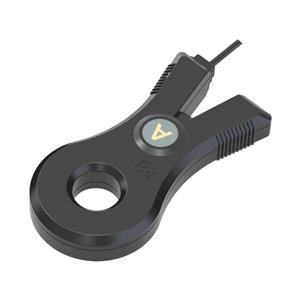
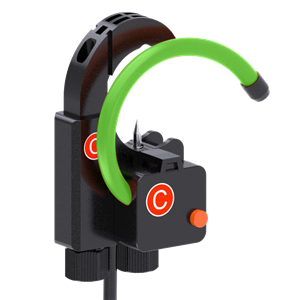
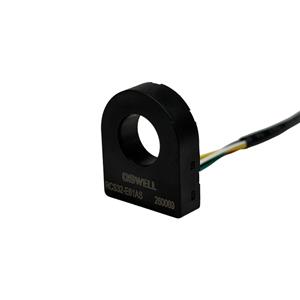
DC current sensors play a critical role in these applications by providing accurate measurement of charging and discharging currents in battery systems, monitoring energy conversion processes, and supporting intelligent power management. Unlike traditional AC measurement applications, DC systems require specialized sensing technologies capable of maintaining accuracy under continuous current flow and changing operating conditions.
For battery storage manufacturers, renewable energy system integrators, power electronics companies, and procurement teams, selecting reliable DC current sensors is essential for improving system safety, efficiency, and long-term performance.
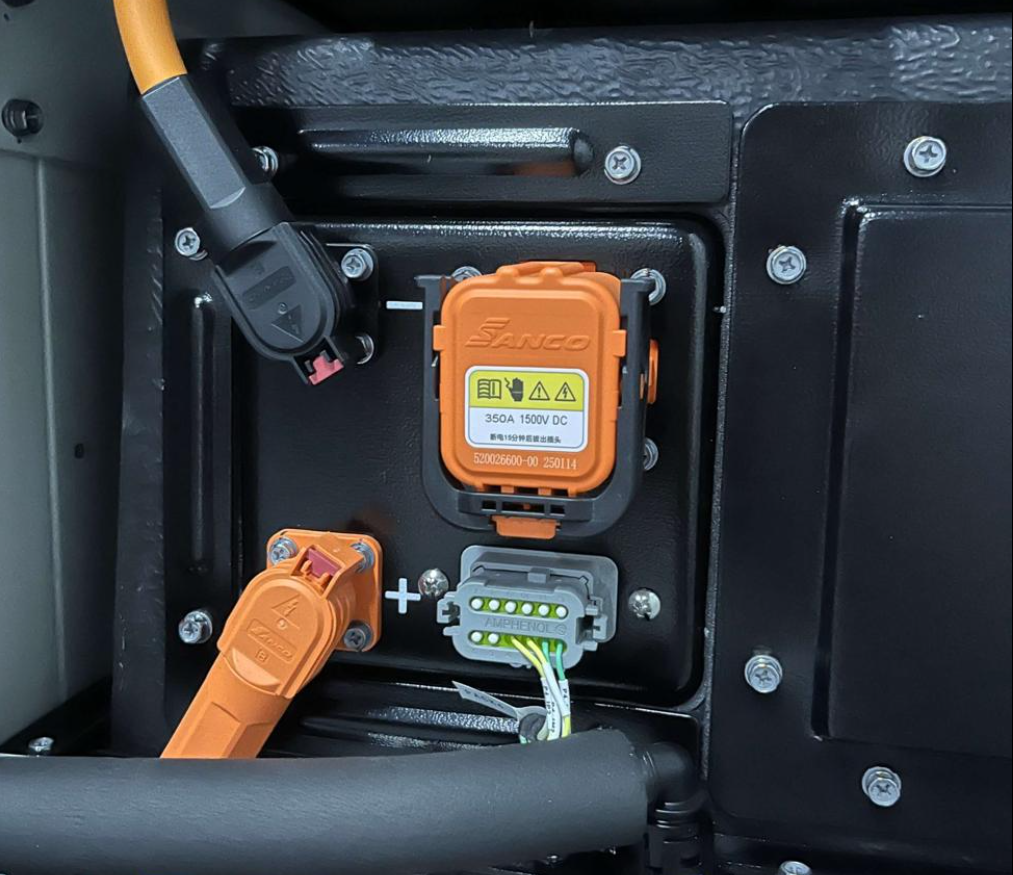
1. Why DC Current Measurement Is Essential in Battery Storage and Renewable Energy Systems
Battery energy storage systems operate through continuous charging and discharging cycles. During these processes, accurate monitoring of DC current is necessary to understand energy flow, control battery operation, and protect critical components.
DC current sensors provide real-time information about current flowing between battery packs, power converters, inverters, and external loads. This data allows the Battery Management System (BMS) and Energy Management System (EMS) to make accurate decisions regarding charging strategies, energy distribution, and system protection.
Reliable DC current measurement supports important functions including:
Battery charging and discharging monitoring
State of Charge (SOC) calculation
State of Health (SOH) analysis
Power conversion efficiency optimization
Overcurrent protection
Renewable energy generation monitoring
In solar energy systems, DC current sensors help monitor electricity generated by photovoltaic panels before conversion into AC power. In battery storage systems, they track energy entering and leaving battery modules, helping operators understand system performance and identify abnormal conditions.
Without accurate DC current measurement, energy calculations may become unreliable, affecting battery management decisions and reducing overall system efficiency. For large-scale renewable energy projects, even small measurement errors can influence energy forecasting, system optimization, and operational costs.
2. How DC Current Sensors Improve Battery Safety and Renewable Energy Efficiency
Modern energy storage and renewable energy systems require more than simple current measurement. They need stable, accurate, and reliable sensing solutions that can operate under demanding conditions such as high current, temperature variation, and continuous operation.
High-quality DC current sensors provide several important advantages for battery and renewable energy applications.
Accurate Battery Monitoring:
Precise current measurement helps BMS systems calculate energy remaining in batteries more accurately. Reliable current data improves SOC estimation and supports better charging and discharging control.
Improved Battery Protection:
DC current sensors help detect abnormal current conditions, including excessive charging or discharging. Early detection allows protection systems to respond before battery cells experience damage.
Higher Energy Efficiency:
Accurate monitoring of DC power flow helps energy management systems optimize how electricity is generated, stored, and consumed. This is especially valuable when renewable energy sources are combined with battery storage.
Better Power Conversion Management:
DC current measurement provides important feedback data for converters and inverters. Stable measurement helps improve conversion efficiency and maintain reliable operation.
When selecting DC current sensors, procurement teams should evaluate several key factors:
Measurement accuracy
Current range capability
Temperature stability
Response speed
Isolation performance
Long-term reliability
Mechanical integration requirements
For OEM manufacturers, sensor consistency is also critical. Battery systems and renewable energy equipment are often produced in large quantities, meaning differences between sensor batches can affect calibration, software compensation, and final product performance.
Working with an experienced DC current sensor supplier can help manufacturers select suitable sensing solutions based on battery capacity, voltage platform, installation environment, and application requirements.
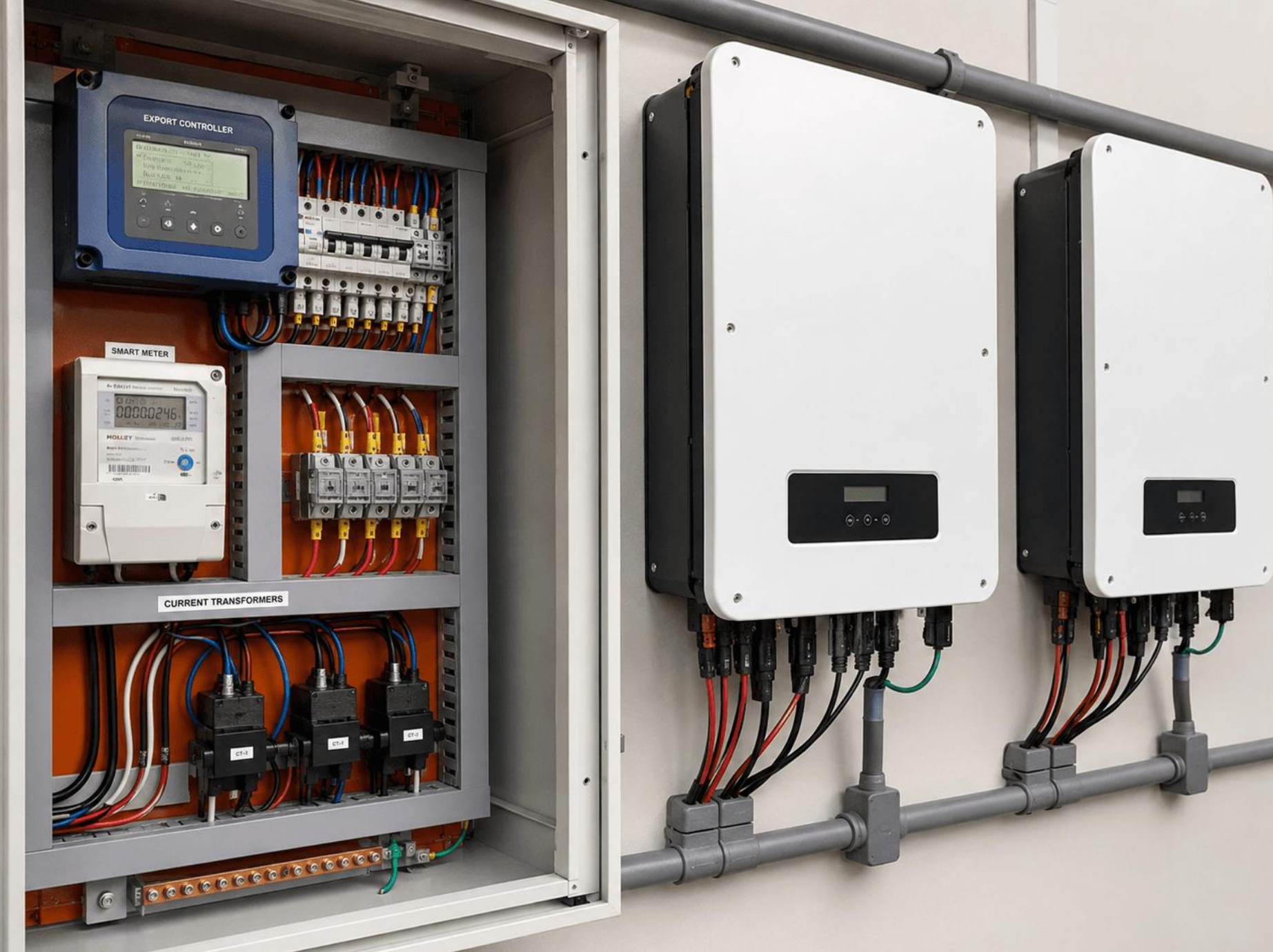
3. What Buyers Should Consider When Choosing DC Current Sensors for Future Energy Systems
The renewable energy market is moving toward larger storage capacity, higher charging power, and more intelligent energy management. These trends create higher requirements for DC measurement components used in next-generation systems.
For battery storage manufacturers and renewable energy integrators, supplier selection should consider not only technical specifications but also manufacturing capability and long-term cooperation potential.
Important evaluation factors include:
Experience in battery and renewable energy applications
Product customization capability
Quality control systems
Production capacity
Testing and calibration capability
Long-term supply stability
Technical support capability
Different applications may require different DC current sensing solutions. For example, a residential solar storage system may prioritize compact size and cost efficiency, while a large industrial BESS project may require higher current capacity, stronger environmental performance, and advanced monitoring accuracy.
A capable supplier should be able to support customers from initial product selection through mass production. This includes helping define current range, output requirements, mechanical structure, communication compatibility, and installation methods.
As renewable energy systems become more connected and intelligent, accurate DC current measurement will continue to play a fundamental role in improving safety, efficiency, and system reliability. Reliable sensing technology enables better energy management decisions and helps manufacturers create more competitive renewable energy solutions.
Conclusion
DC current sensors are essential components in modern battery storage and renewable energy monitoring systems. By providing accurate and stable measurement of DC power flow, they help improve battery safety, optimize energy efficiency, and support intelligent energy management. For battery manufacturers, renewable energy integrators, and procurement teams, selecting DC current sensors with strong accuracy, reliability, temperature stability, and supplier support is critical for developing high-performance energy systems. As renewable energy adoption continues to grow, advanced DC current measurement technology will remain a key foundation for safer and smarter energy infrastructure.