How HTN LCD Modules Improve Smart Meter Readability Across Wide Temperature Environments
How HTN LCD Modules Improve Smart Meter Readability Across Wide Temperature Environments
Smart meters are installed in a wide range of environments, from indoor electrical cabinets to outdoor meter boxes exposed to seasonal temperature changes. In these applications, the LCD must remain readable and stable for many years while consuming very little power. HTN LCD modules provide a practical balance of contrast, viewing angle, temperature adaptability, power consumption, and cost. For smart meter manufacturers and procurement teams, selecting the right HTN display can improve user readability, reduce field complaints, simplify product design, and support more reliable operation across different climates.
1. Why Display Readability Becomes More Difficult Across Wide Temperature Ranges
Smart meter LCDs must display energy consumption, tariff information, communication status, warning symbols, battery indicators, and other operating data clearly. Unlike consumer electronics that usually operate in controlled indoor conditions, electricity meters may be installed in locations where ambient temperature changes significantly between seasons and between day and night.
LCD performance is influenced by temperature because the response characteristics of the liquid crystal material change as the environment becomes hotter or colder. At low temperatures, response time may become slower. At high temperatures, contrast and optical performance may also change if the display is not properly designed for the application.
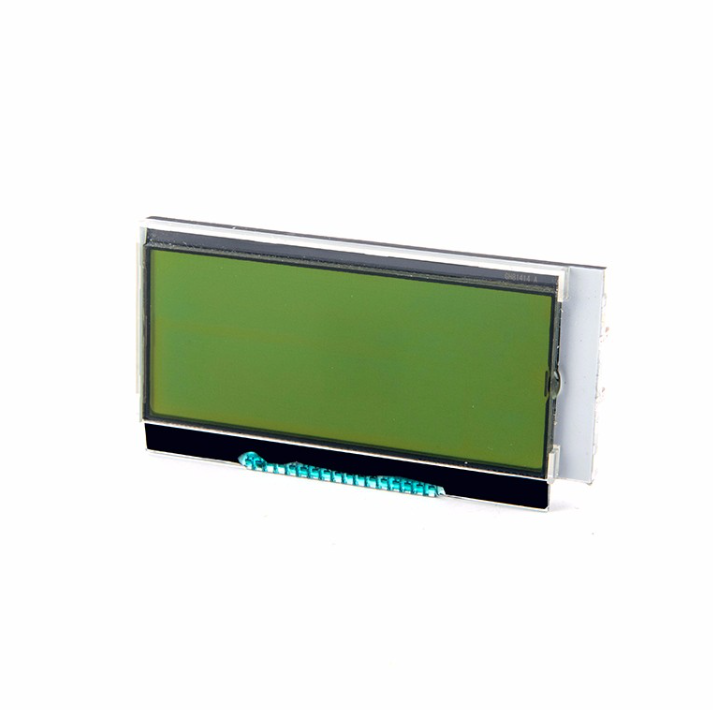
Low winter temperatures
High summer cabinet temperatures
Outdoor meter installations
Direct or indirect sunlight
Frequent day-to-night temperature changes
Long-term continuous operation
HTN, or High-Twist Nematic LCD technology, provides improved viewing characteristics compared with basic TN structures while remaining suitable for low-power meter applications. This makes HTN modules attractive for smart meters that need good readability without the higher cost or complexity of more advanced display technologies.
For procurement teams, the important point is that display readability should not be evaluated only at room temperature. A module that looks excellent during sample inspection may behave very differently after installation in a hot electrical cabinet or an outdoor meter box during winter.
2. HTN Structure, Viewing Angle and Backlight Design Affect Real-World Meter Usability
One of the main advantages of HTN LCD modules is improved viewing performance compared with standard TN displays. Smart meters are not always viewed directly from the front. Installers, maintenance personnel, and end users may read the display from above, below, or at an angle depending on the meter position.
Wider and more stable viewing characteristics can therefore improve usability, especially in distribution cabinets where several meters may be installed close together.
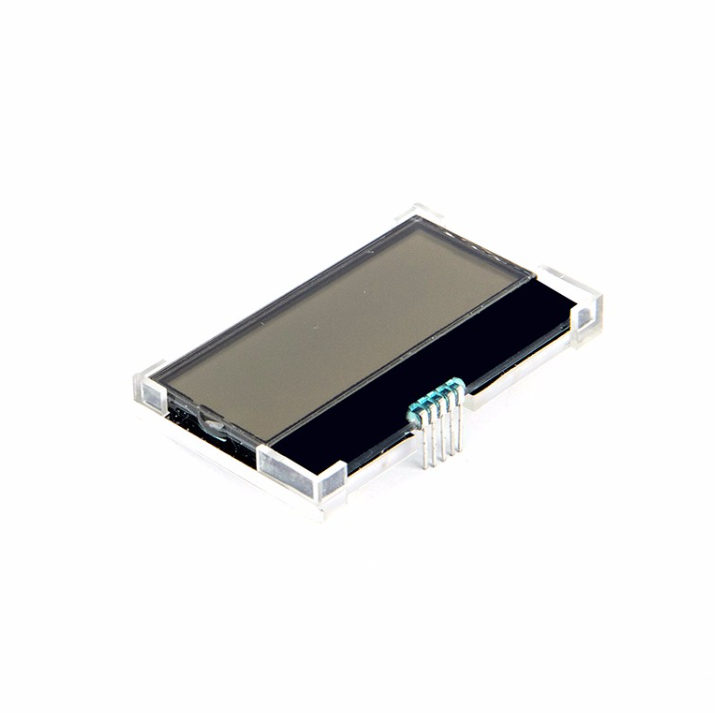
Helps maintain readable digits and symbols when the meter is viewed from different positions.
Better optical performance helps important metering data remain visible under changing conditions.
Passive LCD technology is suitable for meters that need continuous display operation with low energy use.
Backlighting can improve readability in dark electrical rooms or low-light installation environments.
Backlight design should also be matched to the application. Some meters only require the backlight during user interaction, while others may need regular illumination in low-light environments. LED selection, brightness uniformity, power consumption, and lifetime can all affect the final product.
The LCD optical mode should also be considered. Positive and negative display modes, reflective, transmissive, or transflective structures can provide different advantages depending on whether the meter is used indoors, outdoors, or in a cabinet with limited lighting.
For OEM designers, the display should therefore be selected together with the enclosure window, viewing angle, lighting conditions, driver circuit, and user interface rather than treated as an isolated component.
3. What Procurement Teams Should Check When Selecting HTN LCD Modules for Smart Meters
Once an LCD has been designed into a smart meter, replacing it later can be difficult because the glass size, viewing area, segment layout, pin configuration, FPC structure, backlight, enclosure window, and firmware display logic may all depend on the original design.
Procurement teams should therefore evaluate the display supplier as a long-term development partner rather than only comparing module price.
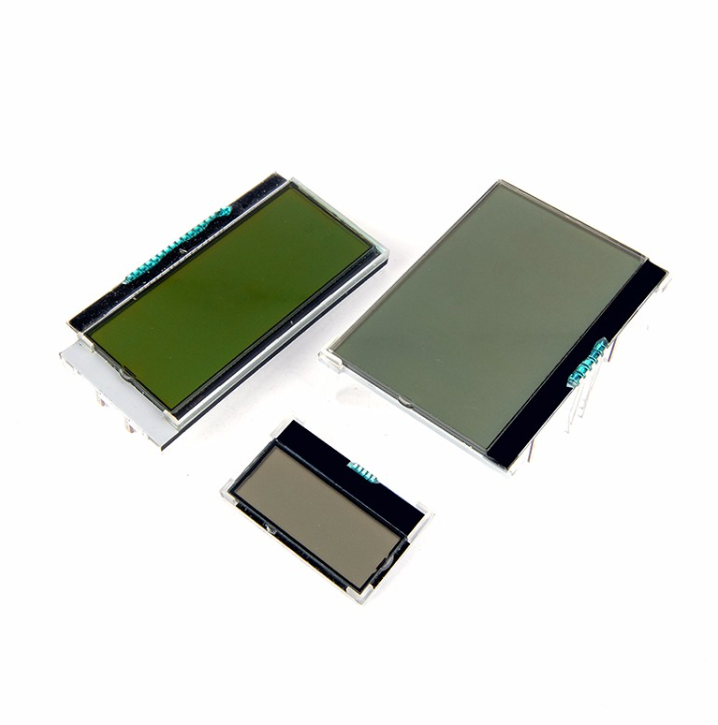
Operating temperature range
Storage temperature range
Viewing angle
Contrast stability
LCD segment consistency
Backlight lifetime
FPC or pin connection reliability
Mechanical dimensions
Custom display layout capability
Batch-to-batch consistency
Sample testing should include both low- and high-temperature conditions whenever possible. OEM engineers can compare response speed, contrast, segment visibility, viewing angle, and backlight performance after thermal cycling. This provides a more realistic understanding of how the display will behave in actual field environments.
Supplier customization capability is especially important in smart meter applications. Different markets may require different tariff indicators, communication icons, warning symbols, units, digits, logos, or segment arrangements. A supplier that can provide customized LCD glass, FPC layout, backlight, and mechanical dimensions can help reduce redesign work on the meter side.
Production consistency is also critical. Variations in liquid crystal material, cell gap, polarizer alignment, bonding quality, FPC position, or backlight assembly can affect appearance and reliability. High-volume meter programs require consistent display quality over long production periods.
For procurement teams, total lifecycle value should therefore include readability, temperature performance, assembly efficiency, customization support, production repeatability, and long-term supply stability rather than simply the initial LCD cost.
Conclusion
HTN LCD modules can improve smart meter readability across wide temperature environments by providing a practical combination of viewing angle, contrast, low power consumption, and environmental adaptability. However, successful display performance depends on the complete module design, including liquid crystal material, optical mode, backlight, connection structure, mechanical dimensions, and production consistency. For smart meter procurement teams, the best HTN LCD should be evaluated under realistic temperature and viewing conditions while also considering customization capability, assembly reliability, and long-term supply stability. By selecting a reliable LCD partner, meter manufacturers can improve user readability, reduce field display problems, and build more dependable products for diverse global installation environments.