How Meter Current Shunt Resistors Improve Calibration Consistency in High-Volume Smart Meter Production
How Meter Current Shunt Resistors Improve Calibration Consistency in High-Volume Smart Meter Production
As smart meter manufacturers move toward larger production volumes, measurement accuracy is no longer only an engineering target—it becomes a manufacturing consistency challenge. Every meter leaving the production line must deliver predictable current measurement performance, while calibration time, rework rates, and component variation must remain under control. The current shunt resistor is one of the key components influencing this process.
A meter current shunt converts load current into a small, measurable voltage signal that can be processed by the metering circuit. Because the resistance value is extremely important to this measurement chain, variations in resistance, temperature behavior, materials, welding, and production processes can directly influence calibration results. For purchasing teams sourcing components for high-volume smart meter programs, selecting a stable shunt resistor supplier can therefore help improve calibration consistency, production efficiency, and long-term meter reliability.
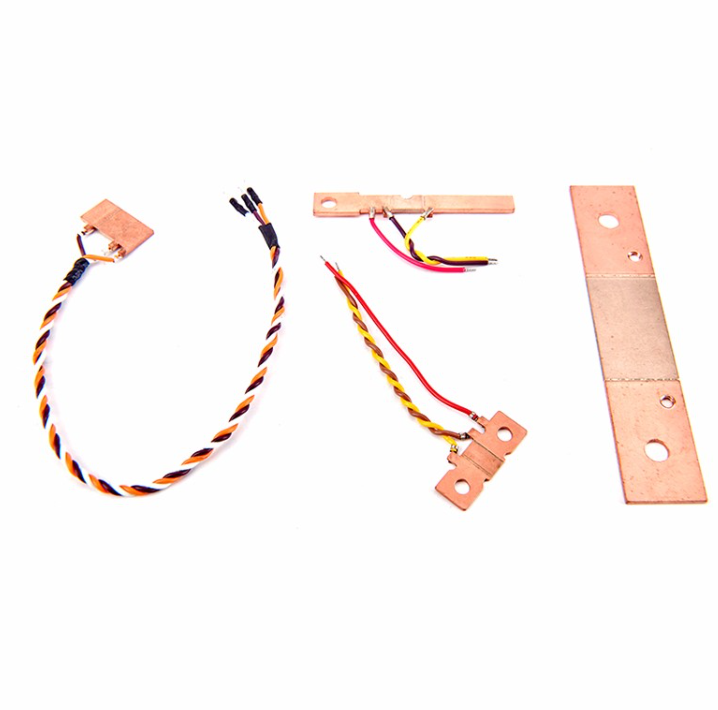
1. Why Shunt Resistor Consistency Directly Affects Smart Meter Calibration
During smart meter production, each finished unit normally needs to meet defined measurement performance requirements. The metering circuit calculates current and energy consumption according to the electrical signal generated across the shunt resistor. If the actual resistance characteristics vary significantly from one component to another, the calibration parameters required for each meter may also vary.
This becomes especially important in high-volume production. A small component variation that appears manageable during prototype development can create a much larger production problem when thousands or millions of meters are manufactured.
Stable meter shunt resistors can help manufacturers improve:
Calibration repeatability between meters
Production-line testing efficiency
Measurement consistency between batches
First-pass production yield
Long-term measurement stability
Predictability of calibration parameters
Resistance tolerance is one important consideration, but it is not the only one. Temperature coefficient of resistance, material consistency, terminal structure, connection quality, and thermal distribution can also affect actual measurement behavior.
When current passes through the shunt, the component generates heat. If resistance changes significantly as temperature rises, the measured signal may shift during operation. This means a meter that performs well during initial calibration may behave differently under higher load conditions if the shunt has poor thermal stability.
For procurement teams, this is why comparing shunts only by nominal resistance value and unit price can be misleading. A more consistent component may reduce calibration adjustment, production troubleshooting, and downstream quality costs even if the initial purchasing price is slightly higher.
2. How Material, Welding and Thermal Stability Improve High-Volume Production
The performance of a meter current shunt depends on the complete component structure rather than only the resistance alloy itself. The resistance material, conductive terminals, joining process, mechanical dimensions, and thermal design all contribute to measurement consistency.
For smart meter manufacturers, several characteristics deserve particular attention.
Stable Resistance Material:
The resistance alloy should maintain predictable electrical characteristics across the required operating range. Stable material properties help reduce variation between components and support repeatable meter calibration.
Low Temperature Drift:
Smart meters may experience different current loads and ambient temperatures during their service life. A shunt with controlled temperature characteristics helps maintain more stable measurement performance as operating conditions change.
Consistent Joining and Welding:
Connections between the resistance element and conductive terminals can influence total resistance and thermal behavior. Stable production processes help reduce variation caused by inconsistent joints.
Controlled Mechanical Dimensions:
Dimensions affect assembly, electrical characteristics, heat distribution, and compatibility with the meter design. Consistent component geometry is particularly important when manufacturers use automated assembly equipment.
Batch-to-Batch Repeatability:
For OEM buyers, a successful engineering sample is only the beginning. The supplier must maintain similar characteristics during continuous production over months or years.
This consistency can have a direct effect on production economics. If component variation is tightly controlled, manufacturers may be able to reduce the amount of compensation required during calibration and minimize units that need additional adjustment or retesting.
Meter current shunt resistor solutions such as those supplied for smart energy meter current sampling can therefore influence much more than measurement accuracy. They can become an important part of the manufacturer's production yield and quality-control strategy.
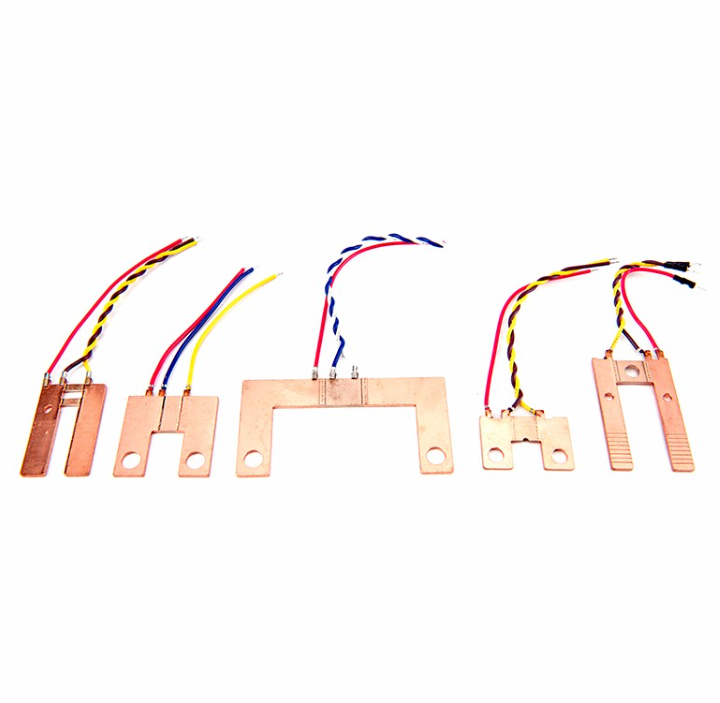
3. What Smart Meter Procurement Teams Should Check Before Approving a Shunt Supplier
For high-volume smart meter projects, supplier selection should consider both electrical performance and manufacturing capability. Once a shunt resistor has been integrated into the meter PCB, mechanical layout, calibration process, and production test program, changing the component later may require additional engineering validation.
Procurement teams should therefore evaluate suppliers according to factors such as:
Resistance value consistency
Temperature coefficient performance
Thermal stability under rated operating conditions
Material and terminal consistency
Welding or joining process control
Dimensional consistency
Electrical testing capability
Production traceability
Mass-production capacity
Long-term supply stability
Sample evaluation should ideally include more than room-temperature resistance measurement. Smart meter manufacturers can also evaluate resistance behavior under different current loads and temperatures, thermal distribution, mechanical compatibility, and production assembly performance.
Another important purchasing question is how the supplier controls production variation. Buyers should understand whether important electrical parameters are tested during manufacturing and whether the supplier can maintain consistent materials and processes between production batches.
Engineering support can also reduce development risk. Different smart meter designs may require different resistance values, terminal shapes, mounting structures, dimensions, or current capabilities. A supplier that can support customized meter shunt designs allows OEM manufacturers to optimize the component around the complete meter architecture rather than adapting the meter to a generic part.
For procurement teams, total cost should therefore include more than component price. Calibration efficiency, production yield, rework, field reliability, technical support, and supply continuity can all affect the real lifecycle cost of the shunt resistor.
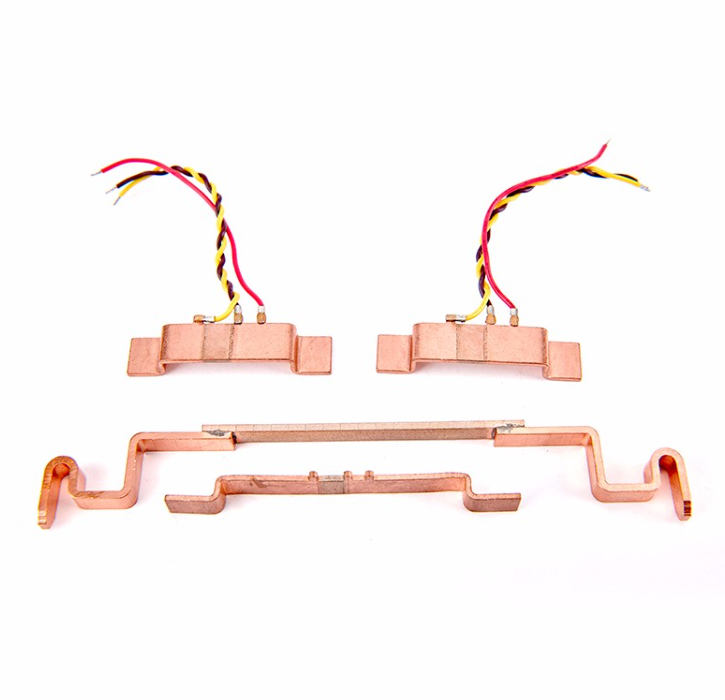
Conclusion
Meter current shunt resistors play an important role in maintaining calibration consistency across high-volume smart meter production. Stable resistance values, controlled temperature characteristics, reliable joining processes, consistent dimensions, and strong batch-to-batch repeatability can help manufacturers reduce calibration variation and improve production efficiency. For smart meter procurement teams, selecting a shunt resistor should therefore involve evaluating both component performance and the supplier's manufacturing control, customization capability, testing processes, and long-term supply reliability. A well-controlled current shunt can ultimately help improve measurement accuracy, production yield, and the lifecycle reliability of the complete smart meter.