How Smart Meter Manufacturers Improve Product Reliability Through Advanced Current Transformer Design
How Smart Meter Manufacturers Improve Product Reliability Through Advanced Current Transformer Design
Smart meters have become a critical part of modern energy infrastructure, enabling utilities and consumers to monitor electricity usage, improve energy efficiency, and support intelligent power management. As smart metering systems become more advanced, manufacturers face higher requirements for measurement accuracy, long-term stability, and product reliability.
Among the key components inside a smart meter, the current transformer (CT) plays an important role in ensuring accurate current measurement and safe electrical isolation. The design quality of the current transformer directly influences the performance of the complete metering system, especially in applications requiring long service life and consistent measurement accuracy.
For smart meter manufacturers and procurement teams, selecting the right current transformer supplier is not only about meeting technical specifications but also about ensuring production consistency, supply stability, and long-term product performance.
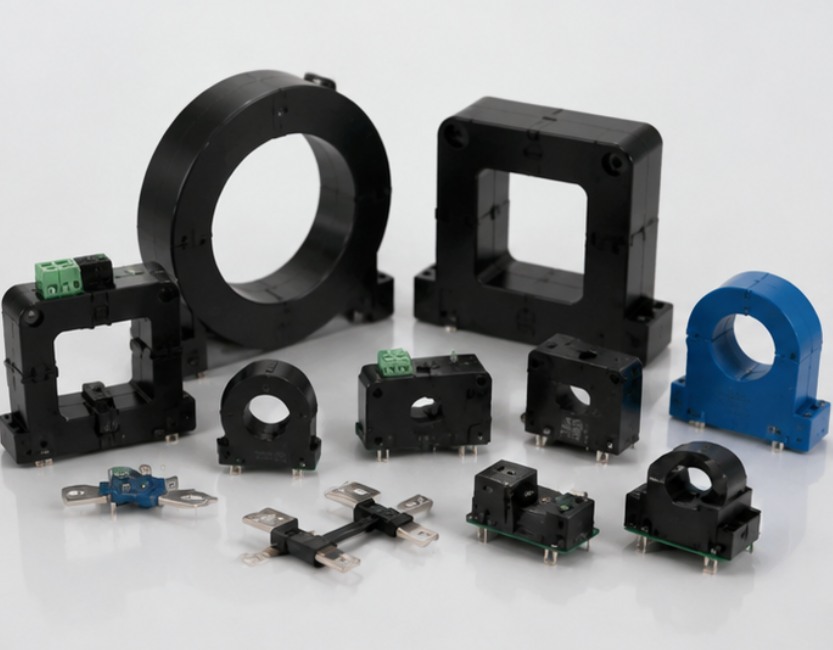
1. Why Current Transformer Design Is Critical for Smart Meter Reliability
Smart meters are typically installed for many years in residential, commercial, and industrial environments. During this period, the internal measurement components must continue providing accurate data under changing electrical loads, temperature variations, and different operating conditions.
Current transformers are responsible for converting high primary current into a smaller measurable signal that can be processed by the smart meter measurement circuit. A well-designed CT helps ensure accurate electricity measurement while protecting sensitive electronic components from high-voltage electrical conditions.
The performance of a current transformer can directly affect:
Electricity measurement accuracy
Meter calibration stability
Long-term operational reliability
Energy data consistency
Smart grid communication accuracy
For smart meter manufacturers, CT design is especially important because even small measurement errors can become significant when millions of meters are deployed across a power network.
Advanced CT designs focus on optimizing magnetic core performance, winding technology, insulation structure, mechanical reliability, and temperature stability. These improvements help ensure that the current transformer maintains consistent measurement characteristics throughout the entire product lifecycle.
A reliable CT solution also reduces the risk of field failures. When a smart meter is installed in a remote location, replacing faulty components can create significant maintenance costs for utilities. Therefore, component reliability during the design stage is essential.
2. Key Current Transformer Factors Smart Meter Manufacturers Should Evaluate
When selecting current transformers for smart meter production, manufacturers should evaluate more than basic current ratio and size. The CT must match the electrical, mechanical, and production requirements of the final meter design.
Measurement Accuracy:
Accuracy is one of the most important CT performance indicators. High-precision current transformers help smart meters provide reliable energy measurement data, which is essential for billing, monitoring, and grid management applications.
Magnetic Core Performance:
The magnetic core directly influences CT accuracy, saturation characteristics, and stability. High-quality core materials and controlled manufacturing processes help maintain consistent performance across different operating conditions.
Temperature Stability:
Smart meters may be installed outdoors where temperature changes are significant. A reliable CT design should minimize temperature-related measurement variation and maintain stable output performance.
Mechanical Integration:
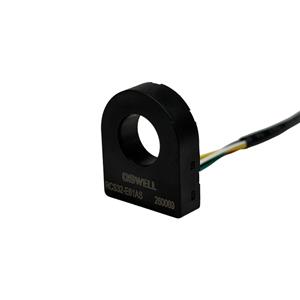
Smart meter manufacturers often require compact components that fit limited internal space. PCB-mounted CTs, compact structures, and customized terminal designs can simplify assembly and improve production efficiency.
Production Consistency:
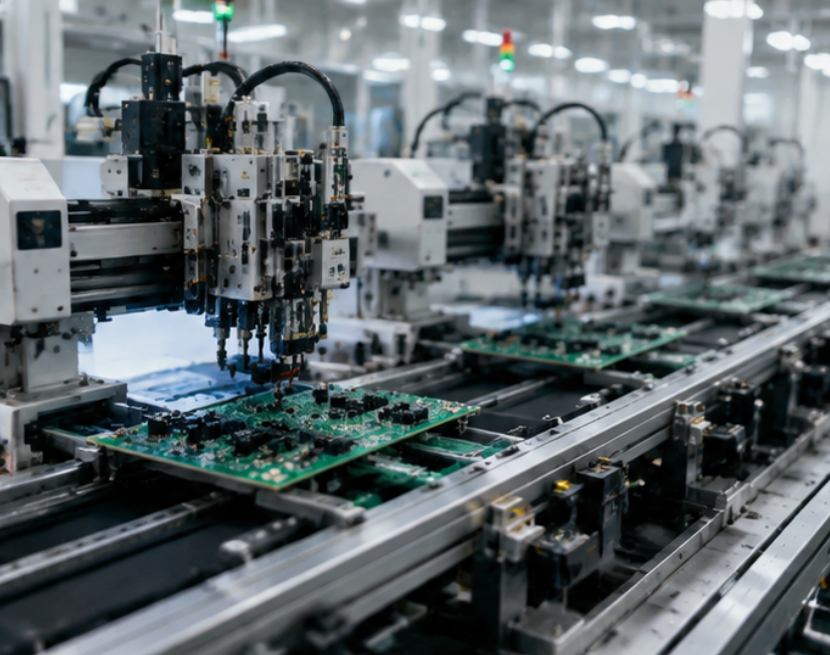
For high-volume smart meter projects, consistency between thousands or millions of components is critical. Suppliers should have strict quality control systems, automated production processes, and reliable testing procedures.
Customization Capability:
Different smart meter designs may require different current ranges, mounting methods, output characteristics, and mechanical dimensions. A supplier with engineering support can provide optimized solutions instead of standard products only.
For procurement teams, evaluating supplier manufacturing capability is just as important as evaluating the CT specification itself. Stable production processes help reduce qualification risks and improve long-term cooperation.
3. Building Long-Term Reliability Through the Right CT Supplier Partnership
The smart meter industry requires long-term supply relationships because meters are usually produced in large volumes and remain in service for many years. Choosing the right current transformer supplier can have a significant impact on product quality, manufacturing efficiency, and market competitiveness.
A professional CT supplier should be able to support customers throughout different development stages, including:
Product specification analysis
Engineering sample development
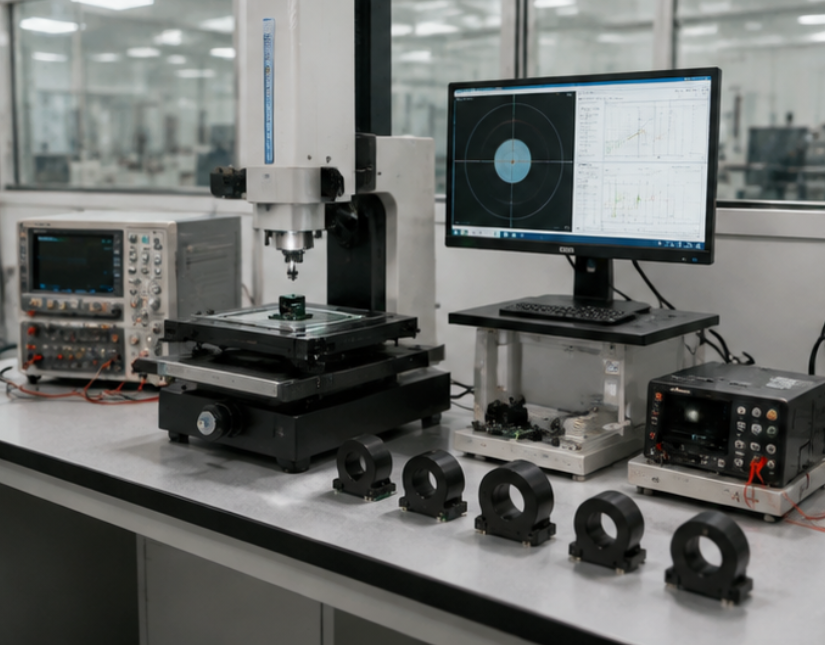
Performance testing
Mass production support
Quality monitoring
Long-term supply management
For OEM manufacturers, early cooperation with CT suppliers can help avoid potential design problems. Issues related to installation space, magnetic performance, output compatibility, insulation requirements, or production assembly can often be solved more efficiently during the product development stage.
In addition, suppliers with strong quality management capabilities can provide better production confidence. Important evaluation factors include incoming material inspection, production process control, electrical testing, dimensional inspection, and product traceability.
As smart grids continue to develop, smart meters will require higher levels of accuracy, connectivity, and reliability. Current transformers will remain a fundamental component supporting these systems by providing stable and precise electrical measurement data.
For global smart meter manufacturers, partnering with an experienced current transformer supplier is an effective way to improve product reliability, reduce development risks, and create more competitive metering solutions.
Conclusion
Current transformer design plays a critical role in improving the reliability and performance of modern smart meters. From measurement accuracy and temperature stability to production consistency and customization capability, every aspect of CT design influences the final product quality. For smart meter manufacturers and procurement teams, selecting an experienced current transformer supplier with strong engineering capabilities and reliable manufacturing processes can help reduce risks, improve product performance, and support long-term success in the smart energy market.