Metering CT vs Protection CT: What OEM Designers Should Know Before Selecting a Current Transformer
Metering CT vs Protection CT: What OEM Designers Should Know Before Selecting a Current Transformer
Current transformers are widely used in smart meters, power monitoring equipment, protection devices, switchgear, industrial control systems, and energy management products. However, a CT designed primarily for accurate energy measurement does not always behave the same way as a CT intended for fault detection and electrical protection. For OEM engineers and procurement teams, understanding the difference between metering CTs and protection CTs is essential because accuracy range, saturation behavior, phase performance, burden, and overload requirements can directly influence the reliability of the final equipment.
1. Metering CTs and Protection CTs Are Optimized for Different Operating Conditions
The basic operating principle of both metering and protection current transformers is similar: primary current creates magnetic flux in the core, and the secondary winding produces a scaled current or signal that can be used by downstream electronics. The key difference is the operating range in which the CT is expected to maintain its required performance.
A metering CT is generally optimized for accurate measurement during normal operating current. In energy meters and monitoring equipment, engineers are interested in obtaining a predictable relationship between primary and secondary current so that power, energy, current, and related parameters can be calculated accurately.
Protection CTs have a different priority. During an overload or fault event, primary current may become several times higher than the normal operating level. The protection system still needs a sufficiently reliable current signal so that relays, controllers, or protective electronics can recognize the abnormal condition and respond correctly.
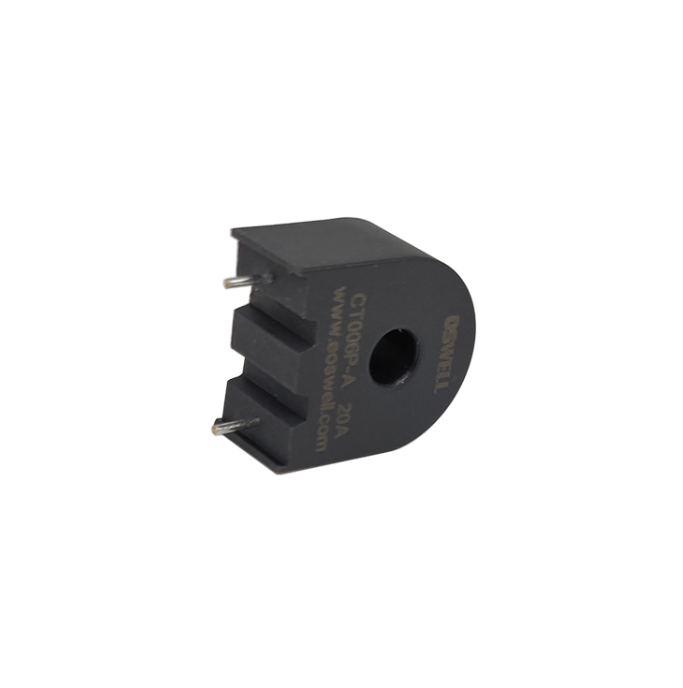
Metering CT: prioritizes accuracy during normal measurement conditions
Protection CT: prioritizes useful response at higher fault or overload current
Metering CT: ratio and phase accuracy are critical for energy calculation
Protection CT: saturation behavior is critical during abnormal current
Metering CT: commonly used in smart meters and energy monitoring
Protection CT: commonly used in fault detection and protection equipment
For OEM buyers, this distinction is important because selecting a CT only by primary current rating can lead to the wrong result. Two CTs with the same nominal current ratio may have very different core materials, magnetic characteristics, saturation behavior, and intended applications.
2. Accuracy, Saturation, Burden and Phase Error Should Be Evaluated as One System
When selecting a metering CT, OEM designers usually pay close attention to ratio accuracy and phase displacement across the expected operating current range. These characteristics can affect active power, reactive power, power factor, and total energy calculations.
Protection applications require additional attention to magnetic saturation. If the CT core saturates too early during a large fault current, the secondary signal may no longer accurately represent the increase in primary current. This can reduce the amount of information available to the protection circuit when it is needed most.
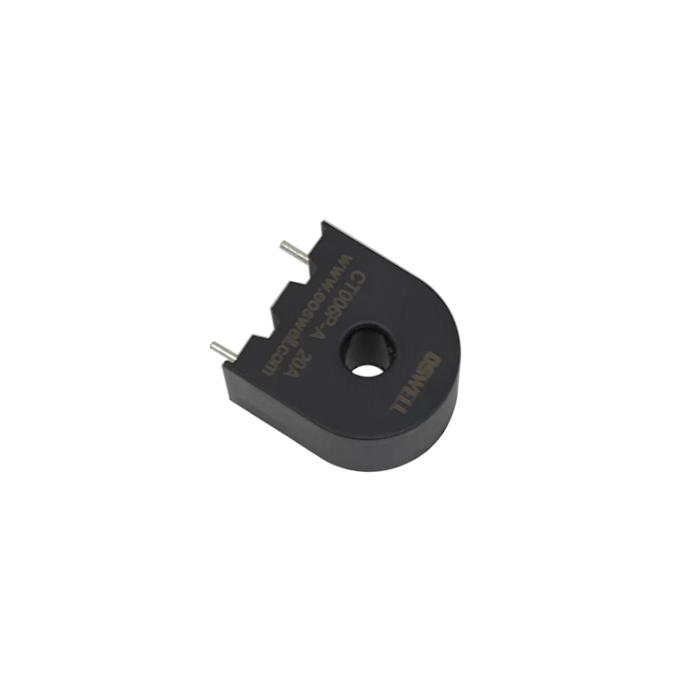
Critical for metering applications where current data directly affects energy and power calculations.
Important when voltage and current signals are combined to calculate power factor and energy.
Especially important in protection applications where fault current can greatly exceed normal load current.
CT performance depends on the connected measurement or protection circuit and should be evaluated as a complete system.
Secondary burden is often overlooked during sourcing. The CT does not operate independently; it works with burden resistors, cables, amplifiers, ADCs, protection circuits, and other electronics. If the actual burden differs significantly from the design target, accuracy and saturation characteristics may change.
Temperature is another important factor. Magnetic core properties, winding resistance, and downstream electronics can all change with temperature. Metering applications need stable accuracy over the expected operating environment, while protection applications need dependable response even when equipment is operating under stressful conditions.
OEM designers should therefore evaluate the CT together with the complete signal chain rather than making the purchasing decision from a single catalog specification.
3. What OEM Procurement Teams Should Check Before Approving a CT Supplier
Once a current transformer has been integrated into the PCB, enclosure, conductor layout, calibration process, or protection algorithm, changing the component later can require significant engineering work. Procurement teams should therefore define the actual application before requesting quotations.
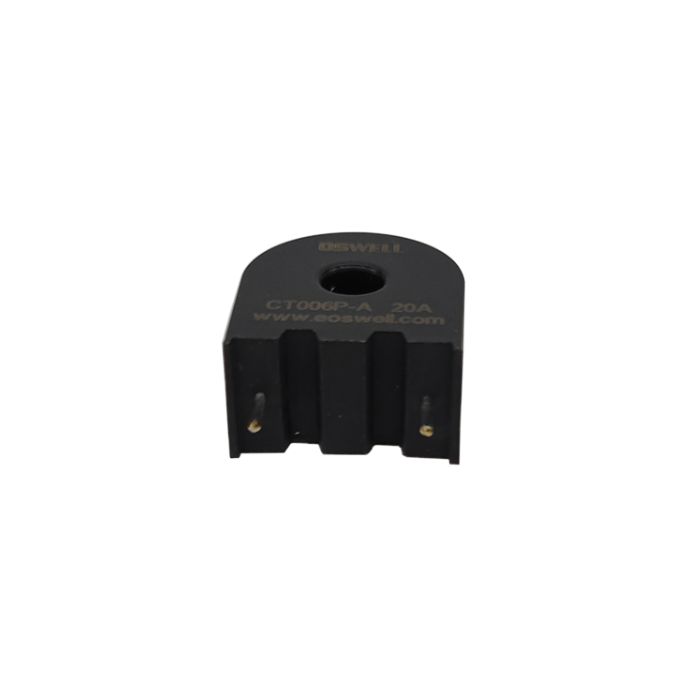
Is the application metering or protection?
What is the normal current range?
What overload or fault current must be detected?
What ratio accuracy is required?
How important is phase displacement?
What secondary burden will be connected?
What temperature range is expected?
What conductor or aperture size is required?
How is each production unit tested?
How stable is batch-to-batch performance?
Manufacturing consistency is particularly important in high-volume OEM projects. Variations in core material, winding turns, core assembly, air gaps, or mechanical dimensions can influence ratio accuracy and saturation characteristics. A prototype may perform well, but procurement teams need confidence that the same behavior will be maintained across large production quantities.
Customization can also provide value. Smart meters, industrial monitors, ground fault devices, and protection controllers may require different apertures, current ratios, wire lengths, PCB mounting structures, or secondary outputs. Working with a supplier that can adjust the CT to the final equipment can reduce mechanical compromises and shorten development cycles.
Buyers should also consider whether one product truly needs both measurement and protection functions. In some designs, separate sensing channels may provide better optimization because the operating requirements are different. In other equipment, a carefully selected CT and signal-processing architecture may support both monitoring and fault detection within the required performance range.
The sourcing decision should therefore be based on real operating conditions, validation data, supplier process control, and long-term production stability rather than only current ratio and unit price.
Conclusion
Metering CTs and protection CTs may share the same basic current-transformer principle, but they are optimized for different operating priorities. Metering CTs focus on accurate ratio and phase performance during normal current measurement, while protection CTs must continue providing useful current information when overload or fault current rises well above normal operating levels. For OEM designers and procurement teams, the correct CT should be selected by evaluating accuracy, phase error, saturation behavior, burden, temperature stability, mechanical integration, and production consistency together. By matching the transformer to the real metering or protection requirement and working with a supplier capable of stable mass production and customization, manufacturers can reduce design risk and build more reliable electrical measurement and protection equipment.