Why Contact Bounce and Switching Time Matter in 90A Magnetic Latching Relays for Smart Meters
Why Contact Bounce and Switching Time Matter in 90A Magnetic Latching Relays for Smart Meters
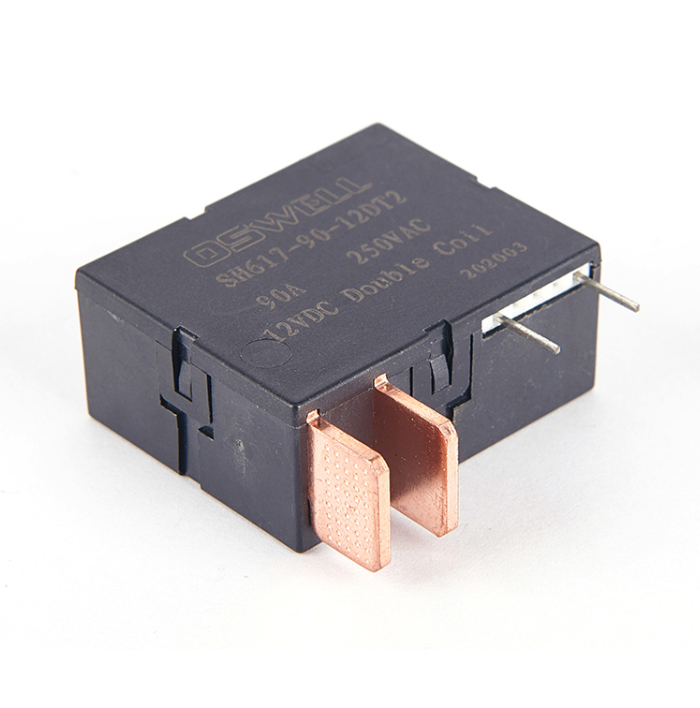
A 90A magnetic latching relay is more than a simple ON/OFF component inside a smart meter. It must connect and disconnect a high-current circuit reliably while responding predictably to commands from the meter controller. Parameters such as contact bounce, operating time, release time, contact resistance, and switching consistency can directly affect electrical stress, control logic, temperature rise, and long-term reliability. For smart meter manufacturers and procurement teams, understanding these dynamic switching characteristics is essential when evaluating relay quality for high-volume metering programs.
1. Contact Bounce Can Create Repeated Electrical Stress During a Single Switching Event
When relay contacts close, the two contact surfaces do not always become electrically stable at the exact moment they first touch. Mechanical elasticity, moving-contact speed, spring force, contact structure, and impact energy can cause the contacts to separate and reconnect several times before reaching a stable closed position. This short-duration behavior is known as contact bounce.
In low-power circuits, a small amount of bounce may have limited impact. In a 90A smart meter application, however, repeated making and breaking of a high-current path can create additional electrical and mechanical stress. Depending on the load condition, each bounce event may contribute to arcing and localized heating at the contact surface.
Additional electrical arcing at the contact interface
Faster contact-surface wear
Unstable current during switching
Greater stress on connected loads
Variation between relay switching events
Reduced long-term contact consistency
Contact material and mechanical design therefore matter. Stable spring pressure, controlled moving-contact travel, suitable contact geometry, and repeatable assembly can help reduce bounce variation from one relay to another.
For procurement teams, the key question should not simply be whether the relay successfully closes. Buyers should also consider how quickly the electrical connection stabilizes after the switching command and whether bounce performance remains consistent after repeated operation.
2. Operating and Release Time Influence Smart Meter Control and Protection Logic
Switching time describes how long the relay takes to move from the commanded state to the required contact position. In a smart meter, this timing must coordinate with the MCU, metering circuit, protection logic, communication system, and other control functions.
If switching behavior varies excessively between relays, the meter controller may need a larger timing margin before it confirms that the circuit has been connected or disconnected. Stable relay timing can therefore help simplify firmware design and create more predictable control behavior.
Predictable closing time helps the controller coordinate load connection and subsequent meter functions.
Reliable opening response is important when the meter needs to disconnect a load according to control or protection logic.
Short and repeatable bounce behavior helps the electrical path reach a stable state more quickly.
Small unit-to-unit variation makes high-volume smart meter control behavior easier to standardize.
Coil drive conditions also influence switching performance. Pulse voltage, pulse duration, coil characteristics, temperature, and the relay's mechanical condition can all affect operating behavior. OEM engineers should therefore validate the relay using the actual drive circuit planned for the finished meter.
Timing should also be checked after lifecycle testing. A relay that switches quickly when new but develops greater variation after repeated operation may create additional uncertainty during long-term meter use.
For smart meter manufacturers, predictable switching time and controlled contact bounce provide a more stable foundation for remote disconnect, prepaid metering, load control, and other intelligent switching functions.
3. What Procurement Teams Should Check Before Approving a 90A Magnetic Latching Relay
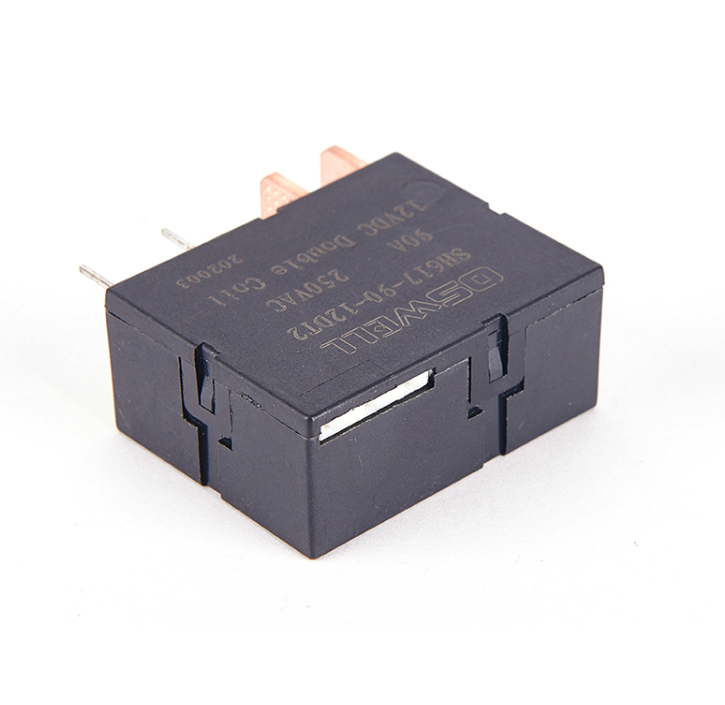
A relay selected for a high-volume smart meter program should be evaluated under realistic electrical and mechanical conditions. One successful switching test is not enough to demonstrate long-term quality. Procurement teams need to understand both initial performance and how the relay behaves after repeated cycles.
Rated switching current
Contact bounce time
Operating time
Release time
Initial contact resistance
Contact resistance after cycling
Temperature-rise performance
Electrical and mechanical endurance
Coil-drive consistency
Batch-to-batch repeatability
Sample testing should use several relays and include different temperatures, coil-drive conditions, and load situations. Engineers can compare operating time, release time, bounce duration, contact resistance, and temperature rise before and after endurance cycling. This provides a more realistic picture of long-term switching stability.
Supplier manufacturing control is particularly important. Small differences in contact pressure, spring characteristics, magnetic components, moving-part dimensions, welding, or internal alignment can influence switching time and bounce behavior. High-volume smart meter production requires these mechanical parameters to remain tightly controlled.
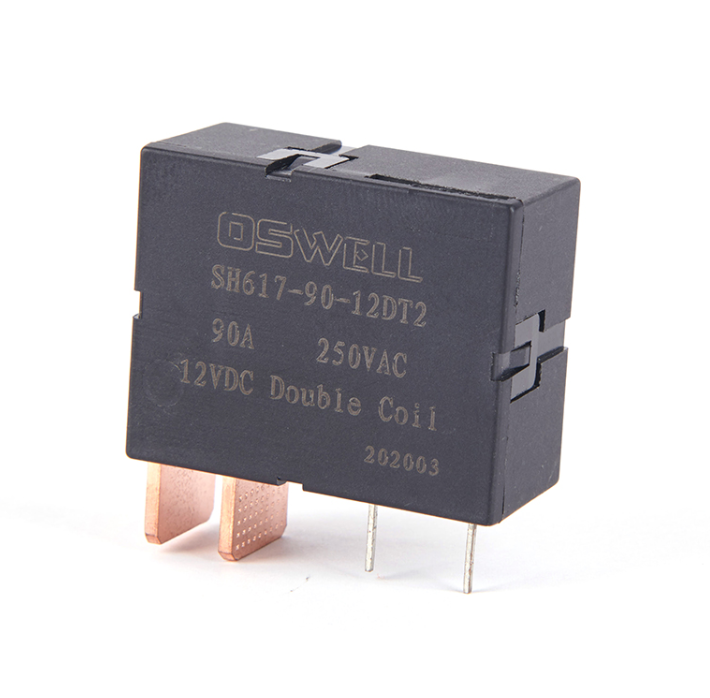
Procurement teams should also consider terminal design and mechanical integration. The relay must fit the meter's busbar, PCB, enclosure, and current path while maintaining reliable heat dissipation. A good dynamic switching specification provides the most value when the component is also easy to integrate consistently into the finished meter.
Total lifecycle cost should therefore include more than unit price. A relay with predictable switching behavior can reduce firmware timing margin, production screening, field troubleshooting, contact wear risk, and replacement cost over the service life of the smart meter.
Conclusion
Contact bounce and switching time are important indicators of the dynamic quality of a 90A magnetic latching relay. Controlled bounce helps reduce repeated electrical stress at the contact interface, while predictable operating and release times allow smart meter controllers to manage load connection and disconnection more reliably. For OEM manufacturers and procurement teams, relay selection should therefore consider bounce duration, switching timing, contact resistance, temperature rise, endurance, coil-drive behavior, and mass-production consistency together. Choosing a relay supplier with stable mechanical design and strong process control can help smart meter manufacturers reduce switching uncertainty and improve long-term product reliability.