Why Low Temperature Drift Matters in Precision Current Measurement Applications
Why Low Temperature Drift Matters in Precision Current Measurement Applications
Precision current measurement plays a critical role in modern electrical systems, including smart meters, electric vehicles, battery energy storage systems, industrial automation equipment, and renewable energy applications. As these systems become more intelligent and require higher measurement accuracy, sensor stability under different environmental conditions has become an increasingly important consideration.
Temperature drift is one of the key factors that can influence current measurement accuracy. When the operating temperature changes, the output characteristics of current transformers, current sensors, and shunt resistors may also change, creating measurement errors that can affect system performance.
For equipment manufacturers and procurement teams, selecting current measurement components with low temperature drift is essential for improving product reliability, reducing calibration requirements, and ensuring consistent performance throughout the entire product lifecycle.
1. Why Temperature Drift Affects Current Measurement Accuracy
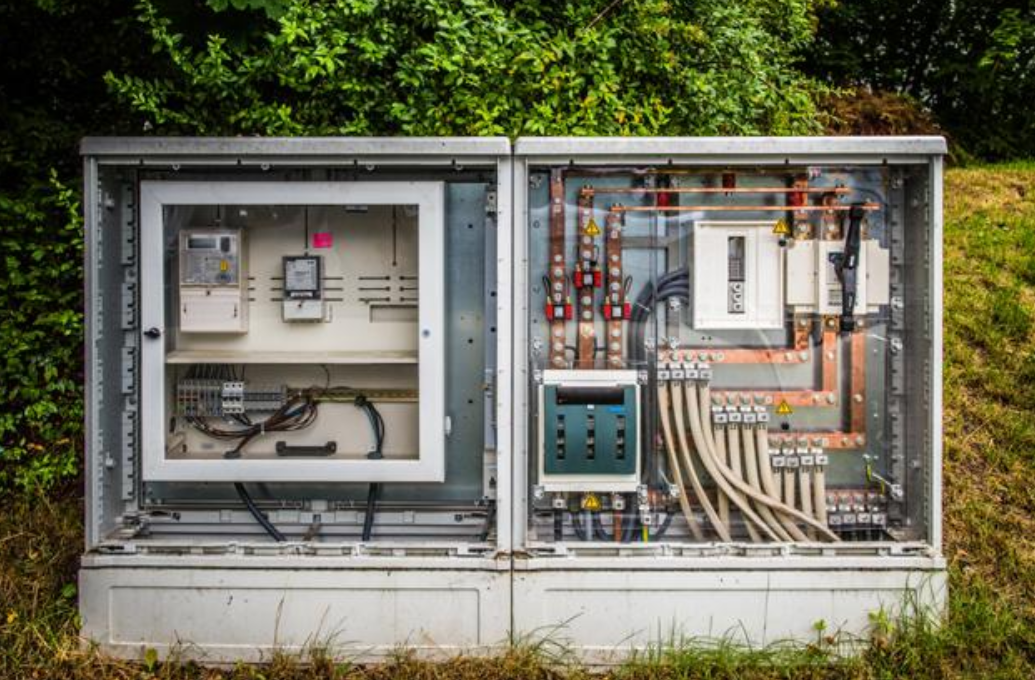
Electrical equipment rarely operates in a perfectly controlled environment. Industrial cabinets, outdoor energy systems, EV charging equipment, and battery storage installations may experience significant temperature variations during daily operation.
Temperature drift refers to changes in a component's measurement output caused by temperature fluctuations. Even when the actual current remains unchanged, a sensor affected by temperature variation may produce a slightly different output signal.
In precision measurement applications, these small changes can accumulate and influence important system functions, including:
Energy consumption calculations
Battery state estimation
Power quality monitoring
Load management decisions
Electrical protection strategies
For example, in a smart meter application, inaccurate current measurement caused by temperature changes may affect long-term energy data accuracy. In an electric vehicle battery management system, measurement errors can influence State of Charge (SOC) estimation and battery protection decisions.
The impact of temperature drift becomes even more significant in high-precision applications where measurement accuracy must be maintained over a wide operating temperature range.
Therefore, low temperature drift performance is not simply a technical specification. It directly affects the reliability, calibration stability, and service life of the complete electrical system.
2. How Low Temperature Drift Improves Performance in Different Current Measurement Applications
Different industries have different requirements for measurement stability. Components with strong temperature performance help manufacturers develop products that maintain accuracy despite changing environmental conditions.
Smart Metering Systems:
Smart meters are often installed outdoors or in electrical cabinets where temperatures can vary significantly. Current transformers with low temperature drift help maintain stable measurement accuracy during long-term operation, reducing the need for frequent recalibration.
Electric Vehicle Battery Systems:
EV battery packs experience temperature changes during charging, acceleration, and different climate conditions. Precision current measurement is important for BMS algorithms, and low temperature drift helps improve battery monitoring accuracy and safety.
Energy Storage Systems:
Battery energy storage systems may operate continuously for years under changing environmental conditions. Stable current measurement supports accurate charging and discharging control while improving system efficiency.
Industrial Automation Equipment:
Factories often contain equipment operating near heat-generating machinery, motors, and power electronics. Current sensors with better temperature stability provide more reliable monitoring data for automation and predictive maintenance systems.
When selecting current measurement components, procurement teams should evaluate several temperature-related characteristics:
Temperature coefficient of resistance
Operating temperature range
Output stability during thermal changes
Long-term aging performance
Calibration stability
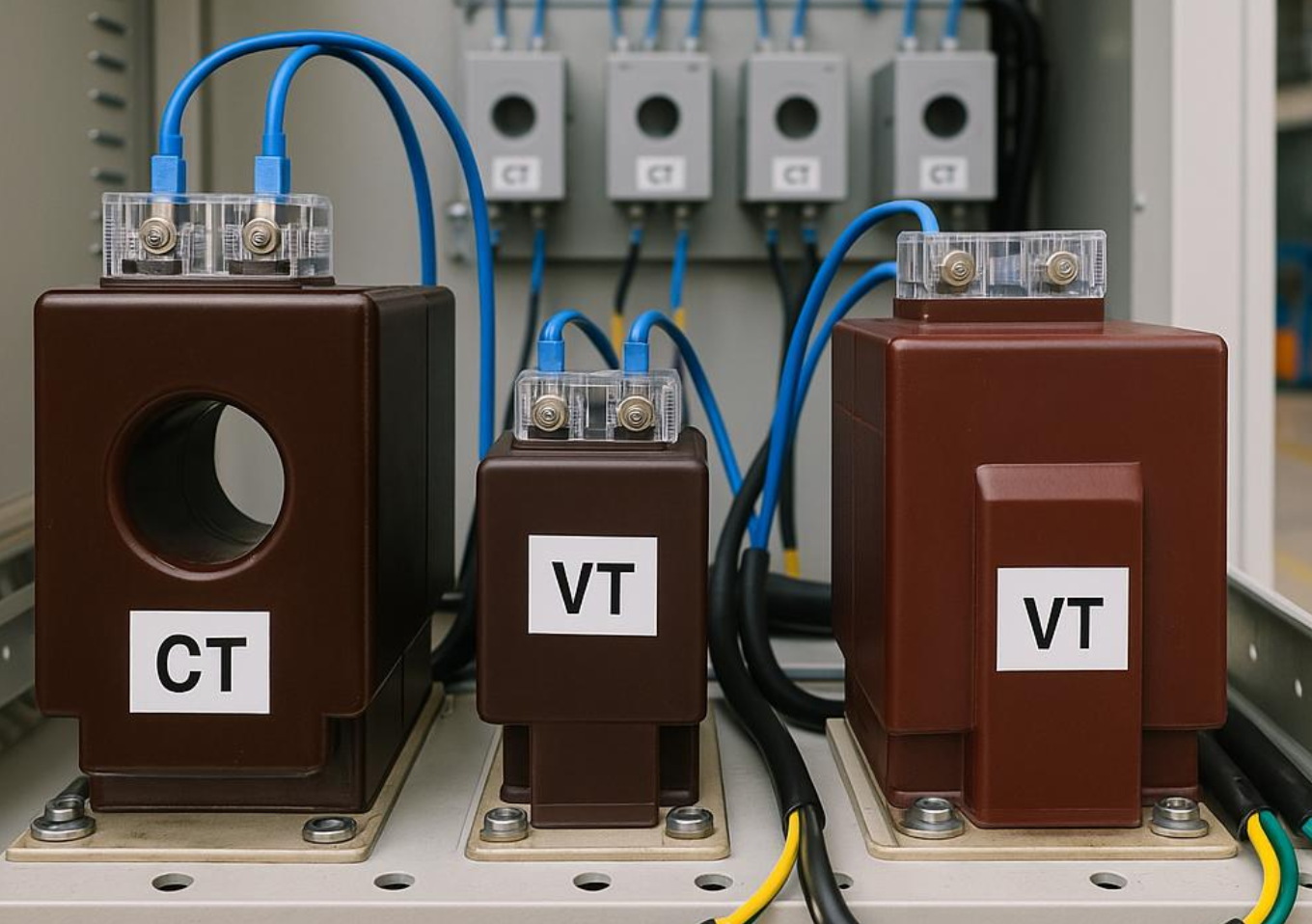
For precision shunt resistors, a low Temperature Coefficient of Resistance (TCR) helps maintain stable resistance values under different temperatures. For current transformers and sensors, magnetic material selection, structural design, and manufacturing consistency all influence temperature performance.
3. What Buyers Should Evaluate When Choosing Low Drift Current Measurement Components
For OEM manufacturers, choosing a current measurement component is not only about meeting initial accuracy requirements. The component must continue performing reliably after thousands of operating hours and under real-world environmental conditions.
Procurement teams should evaluate suppliers based on:
Temperature drift specifications
Accuracy stability across temperature ranges
Material quality and manufacturing control
Testing and calibration capability
Production batch consistency
Application engineering support
A reliable supplier should provide detailed technical information about temperature performance and support customers during product development. This is especially important for customized OEM applications where installation conditions, current range, mechanical structure, and operating environment may differ significantly.
For example, a current sensor used in a high-temperature industrial cabinet may require different thermal characteristics compared with a sensor used in a controlled indoor smart meter. Understanding the actual application environment allows manufacturers to select the most suitable measurement solution.
Supplier manufacturing capability also plays an important role. Consistent winding processes, magnetic core control, resistance material quality, and automated testing procedures help ensure that every production batch maintains the same temperature stability characteristics.
By selecting components with low temperature drift, manufacturers can reduce system calibration effort, improve product reliability, and create more competitive electrical products for global markets.
Conclusion
Low temperature drift is a critical performance factor for precision current measurement components used in modern electrical systems. Temperature-related measurement changes can affect smart meters, EV battery management systems, energy storage solutions, and industrial monitoring equipment. For manufacturers and procurement teams, selecting current sensors, current transformers, and shunt resistors with excellent temperature stability can improve measurement accuracy, reduce maintenance requirements, and enhance long-term product reliability. Partnering with an experienced supplier that provides stable manufacturing processes, accurate testing, and application support is essential for developing high-performance electrical products.