Why Zn-Ni Plated 120A Cage Clamp Terminals Matter for Corrosion Resistance in High-Current Meter Assemblies
Why Zn-Ni Plated 120A Cage Clamp Terminals Matter for Corrosion Resistance in High-Current Meter Assemblies
High-current smart meters depend on reliable terminal connections to carry substantial electrical loads for many years. In 100A and 120A meter platforms, terminal surface condition directly influences contact resistance, temperature rise, assembly reliability, and long-term electrical performance. Zinc-nickel plated cage clamp terminals provide an additional protective surface that helps improve corrosion resistance in demanding environments. For smart meter manufacturers and procurement teams, plating quality should therefore be evaluated together with terminal material, clamping force, conductor compatibility, torque performance, and production consistency.
1. Corrosion Can Increase Contact Resistance in High-Current Meter Terminals
Smart meter terminals form part of the main electrical current path. Unlike low-power signal connectors, these components may carry high current continuously while being exposed to temperature variation, humidity, storage conditions, installation handling, and environmental contaminants.
When an unprotected conductive surface corrodes, oxidation products can change the electrical and mechanical characteristics of the connection. In high-current applications, even a relatively small increase in contact resistance can create additional power loss and localized heating.
Higher contact resistance
Additional temperature rise
Unstable conductor-to-terminal contact
Surface degradation during long-term storage
Reduced mechanical reliability
Greater variation between field installations
These risks become more important as the rated current increases. At 120A, the terminal must provide a stable low-resistance electrical path while also maintaining sufficient mechanical pressure on the conductor. Surface corrosion can interfere with this interface and contribute to uneven current distribution or localized hot spots.
For procurement teams, corrosion resistance should therefore be considered part of electrical reliability rather than only a cosmetic requirement. A terminal may look mechanically strong when new but still create long-term problems if the surface treatment does not remain stable throughout storage, assembly, and field operation.
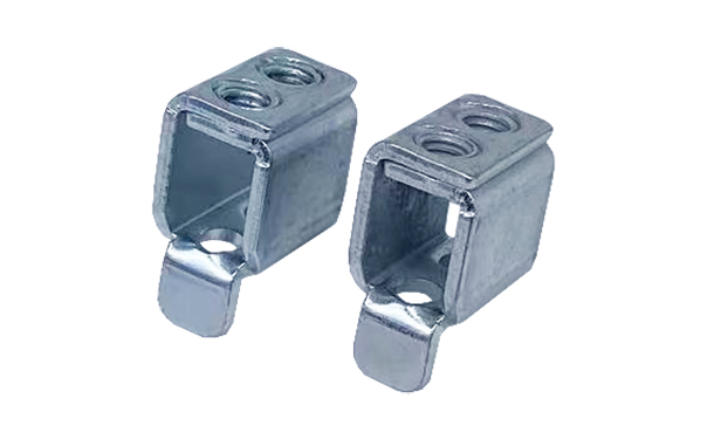
2. Zn-Ni Plating Helps Protect the Terminal Surface While Supporting Stable High-Current Connections
Zinc-nickel plating is used to improve corrosion protection on metal components exposed to demanding environmental conditions. In a high-current cage clamp terminal, the plated surface helps protect the underlying metal from oxidation while supporting the mechanical and electrical requirements of the connection system.
The benefit becomes especially important for smart meters installed in utility cabinets, outdoor meter boxes, humid regions, coastal areas, industrial locations, or projects with long storage periods before installation.
Zn-Ni plating helps reduce surface oxidation that could otherwise affect long-term connection quality.
A controlled surface finish helps provide more repeatable electrical and mechanical contact during assembly.
Better environmental resistance can reduce degradation-related field problems over the meter service life.
Controlled plating thickness and surface quality help maintain more consistent terminal performance between batches.
Surface treatment must still work together with the cage clamp mechanism. Stable spring or clamping force helps maintain pressure on the conductor, while terminal geometry and material strength support the high-current electrical path.
Buyers should also consider the relationship between plating and assembly torque. High-current meter terminals may be subjected to significant mechanical force during installation. The plating should remain well bonded and should not create unwanted cracking, peeling, or inconsistent surface behavior under normal assembly conditions.
Products designed for demanding meter applications may also be evaluated through salt-spray testing or similar corrosion-resistance methods. For OEM buyers, this type of test information can provide useful evidence when comparing terminal suppliers for long-life smart meter programs.
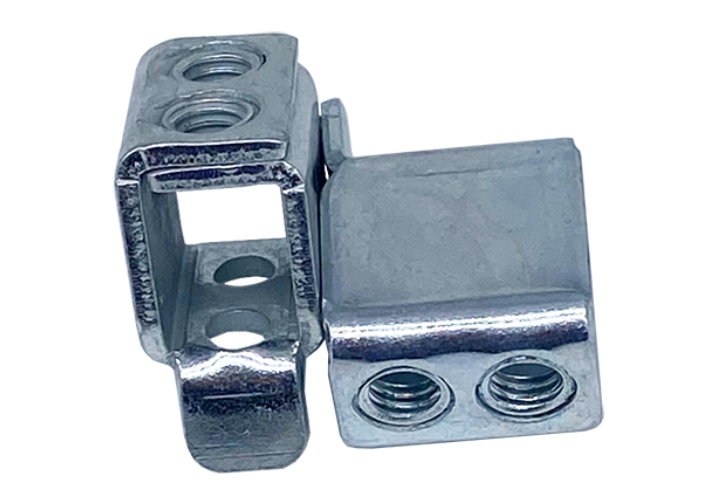
3. What Procurement Teams Should Check Before Approving 120A Cage Clamp Terminals
For smart meter manufacturers, terminal qualification should consider the complete mechanical, electrical, and environmental performance of the component. Once the terminal block has been integrated into the meter case, busbar, shunt, wiring layout, and production fixtures, changing it later may require substantial redesign.
100A to 120A current capability
Zn-Ni plating consistency
Corrosion and salt-spray resistance
Contact resistance
Temperature-rise performance
Clamping-force repeatability
Conductor size compatibility
Mechanical torque capability
Dimensional consistency
Batch-to-batch production stability
Sample validation should include current loading, temperature-rise testing, conductor installation, torque testing, repeated clamping, and environmental exposure where relevant. Measuring contact resistance before and after environmental testing can help buyers understand whether the connection remains electrically stable.
Plating consistency should also be reviewed carefully. Uneven coating thickness, poor surface preparation, or weak adhesion can reduce the expected corrosion benefit. Procurement teams should understand how the supplier controls plating materials, process parameters, inspection, and traceability.
For high-volume smart meter programs, dimensional consistency is equally important. Terminal spacing, conductor entry geometry, screw position, cage dimensions, and mounting features must remain stable so that the terminal fits correctly with the meter housing and other current-path components.
Total lifecycle cost should therefore include more than the terminal purchase price. Better corrosion resistance and connection stability can reduce production rework, temperature-related failures, field service, warranty risk, and premature meter replacement. For long-life high-current products, these benefits can provide significantly greater value than a small saving in component cost.
Conclusion
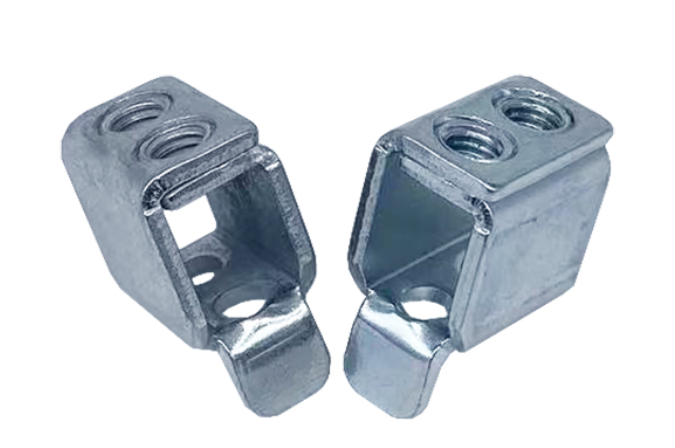
Zn-Ni plated 120A cage clamp terminals can improve long-term reliability in high-current meter assemblies by providing stronger protection against corrosion and surface degradation. Stable plating works together with consistent clamping force, low contact resistance, robust terminal geometry, and controlled assembly to support reliable current conduction under demanding operating conditions. For smart meter procurement teams, the best terminal should be evaluated according to corrosion resistance, plating quality, contact resistance, temperature rise, mechanical strength, conductor compatibility, dimensional consistency, and supplier process control. By selecting a reliable Zn-Ni plated terminal solution, meter manufacturers can reduce environmental degradation risk and build more durable high-current metering products.