Industry News
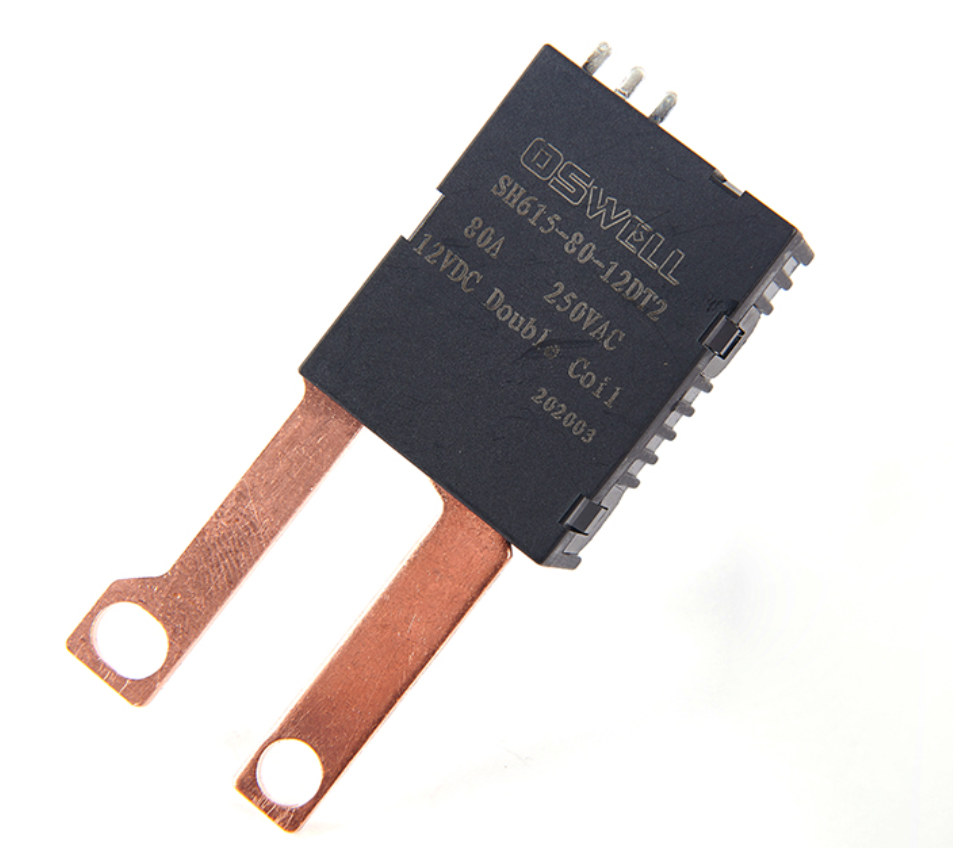
The 60A latching relay is a pivotal component in the evolution of smart grid technology. It masterfully solves the fundamental conflict between the need for reliable, high-current switching and the imperative for ultra-low power consumption. By operating on brief energy pulses and maintaining state with zero holding power, it enables the advanced functionalities of AMI—such as dynamic tariffing and remote load control—while drastically reducing system losses. Its inherent reliability, safety features, and long service life make it the only viable choice for deploying these functions on a massive scale. For meter manufacturers, utilities, and system integrators, specifying a high-quality 60A latching relay is not merely a component selection; it is a strategic investment in building a more efficient, responsive, and resilient electrical infrastructure for the future.
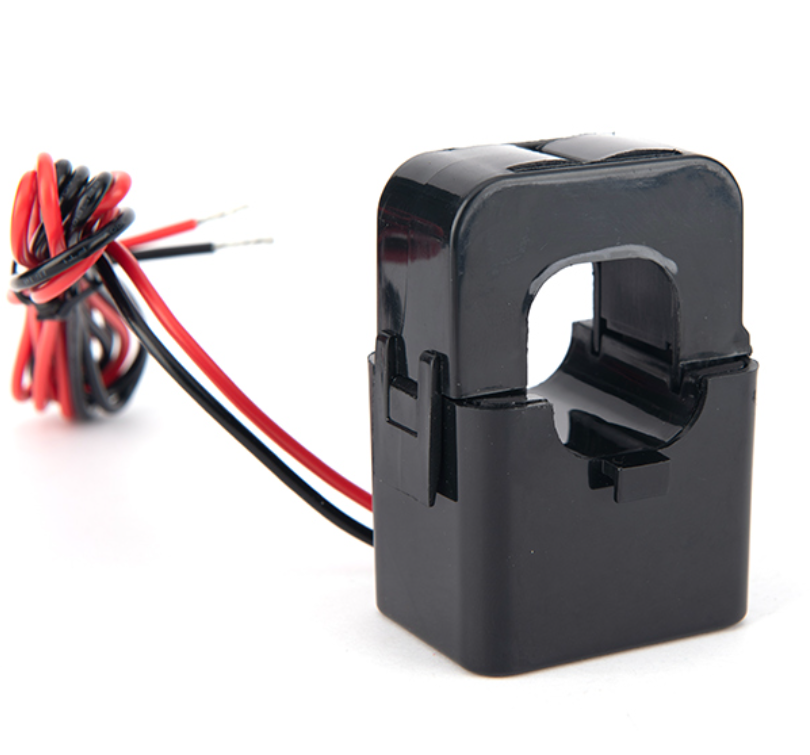
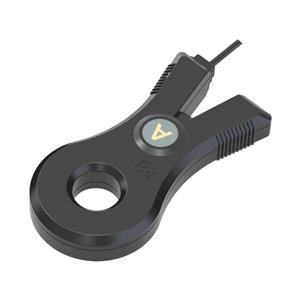
In summary, split-core current transformers are a transformative solution for energy monitoring projects. They directly address the core challenges of installation cost, operational risk, and inflexibility by enabling live, non-intrusive deployment. By eliminating costly downtime, simplifying complex retrofits in tight spaces, and providing a foundation for future-proof scalability, split-core CTs, such as the innovative SDQ series, are not just a component but a strategic enabler. They empower businesses to deploy sophisticated monitoring with minimal disruption, turning energy data collection from a logistical hurdle into a straightforward, efficient, and continuously valuable process.
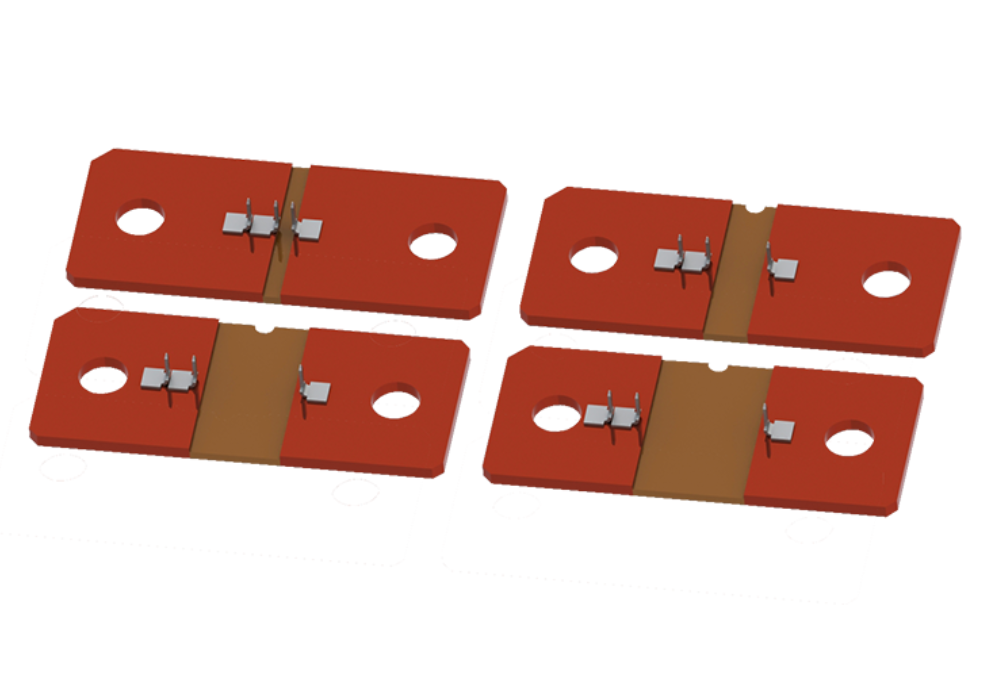
In conclusion, the BMS shunt resistor is far more than a passive component; it is the critical sensory organ of the battery management system. Its unparalleled precision in translating current flow into a measurable signal forms the bedrock for accurate state estimation, robust safety protection, and optimal system efficiency. The choice of a shunt resistor with excellent metrological characteristics—low temperature coefficient, high stability, and precise tolerance—is therefore a decisive factor in the reliability, safety, and longevity of any lithium-ion battery system. Investing in a high-quality shunt, such as those engineered for precision metering, is an investment in the integrity and performance of the entire BMS.
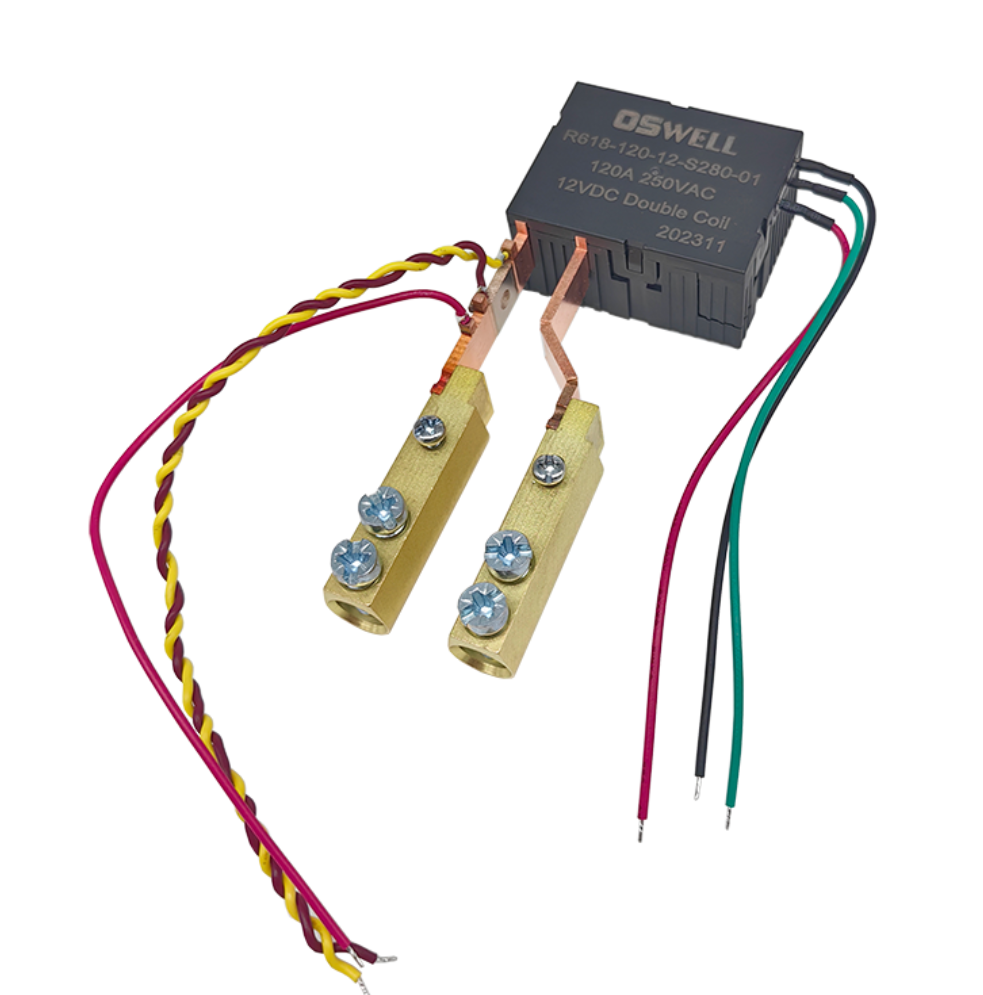
In summary, the latching relay is not merely a switch within a smart energy meter; it is a strategic component that addresses core challenges of power efficiency, long-term reliability, and advanced functionality. By eliminating standby power draw, it unlocks decade-long battery life and enables new, autonomous meter designs. Its inherent thermal and mechanical stability ensures operational integrity over the meter's extended lifespan. Finally, its bistable, pulse-driven nature is the perfect interface for executing remote commands and smart grid functions, from prepayment to demand response. Specifying a high-quality latching relay, therefore, is a fundamental design decision that directly impacts the performance, longevity, and intelligence of the smart metering system.

In summary, "Connect and Stamping Parts" are the unsung heroes of smart meter assembly. Far from being mere generic hardware, they are highly engineered, custom solutions that address the critical challenges of electrical reliability, mechanical robustness, and manufacturing efficiency. Precision connectors ensure every electrical interface is secure, stable, and low-loss, forming the foundation of the meter's operational accuracy. Custom stamping parts provide the protective, integrated, and scalable physical architecture. Together, they form the essential, high-quality physical layer upon which all advanced electronic metering functionality depends, ensuring the final product is not only intelligent but also durable, safe, and cost-effective to produce and deploy at scale.
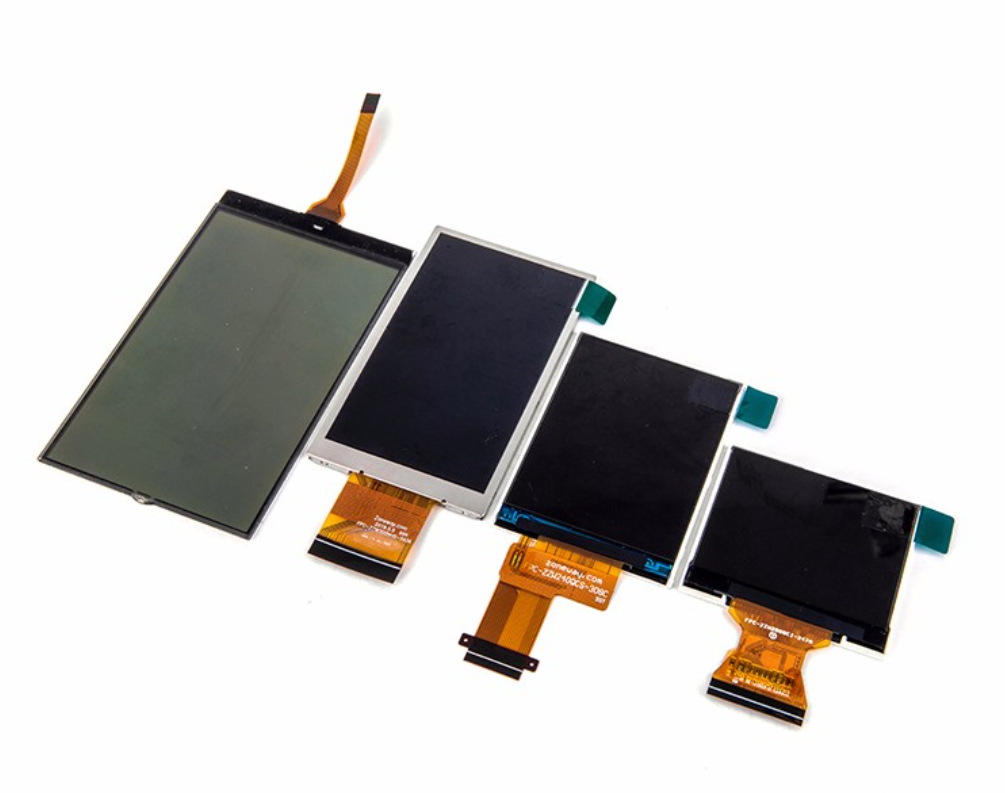
In conclusion, the Liquid Crystal Display in a smart meter is a highly engineered subsystem that balances stringent technical demands with user-centric functionality. It must deliver clear, always-available information with negligible power draw, while surviving decades of environmental stress. Evolving from a simple numeric readout to a versatile information hub, it is key to user engagement, utility operations, and value-added services. The adoption of robust technologies like COB and deep customization ensures that the display is not a commodity component, but a reliable, integral, and future-ready interface that defines the user's experience and trust in the metering device throughout its exceptionally long service life.
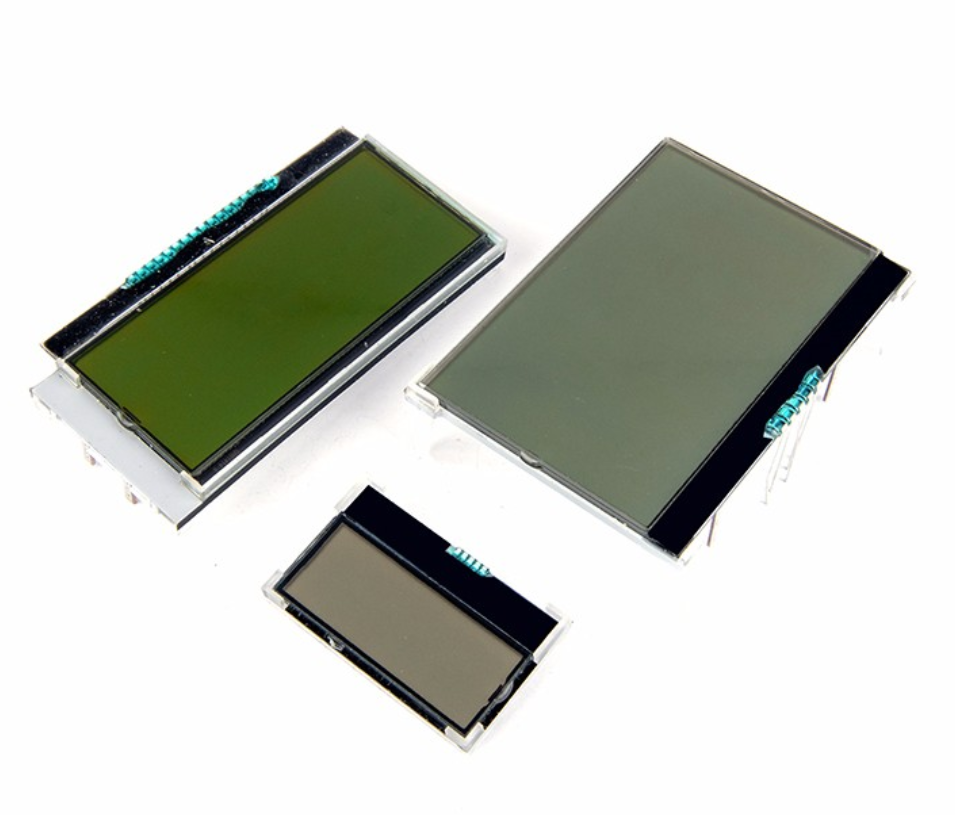
In conclusion, custom LCD modules are far more than just screens; they are application-specific interface solutions that bridge the gap between electronic functionality and the human user. By combining a tailored optical core, integrated driver electronics, and optimized mechanical packaging, they deliver a guaranteed performance envelope. This allows product developers to focus on their core innovation, confident that the critical user-facing component is engineered for reliability, manufacturability, and precise market fit. In a world where the interface defines the experience, the strategic specification of a custom LCD module is a decisive step in creating a competitive, robust, and user-centric end product.
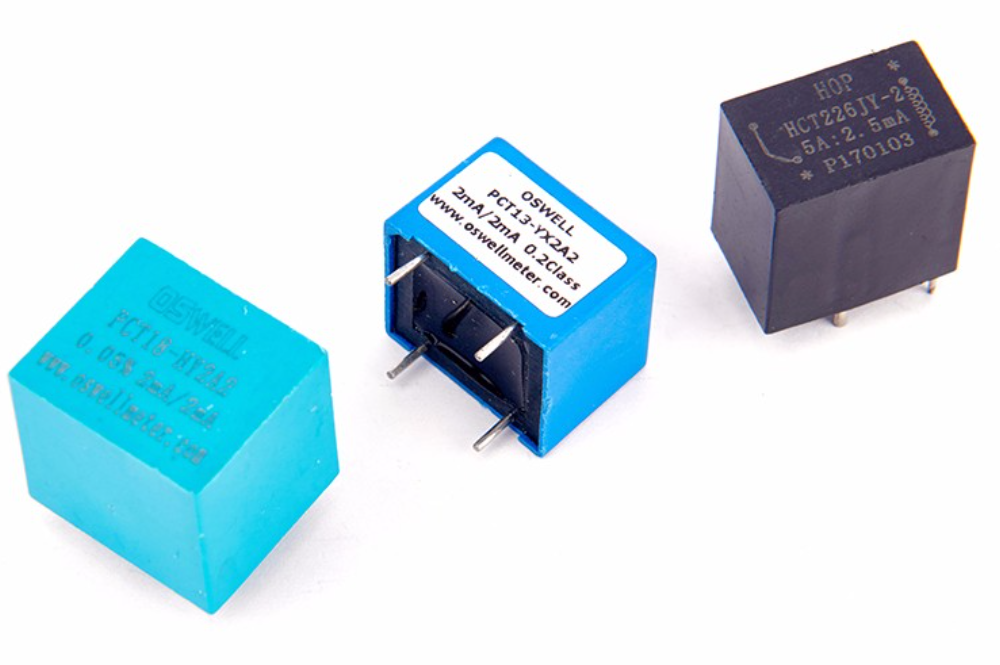
In summary, miniature voltage transformers are sophisticated components that master the complex interplay of electromagnetics, materials science, and thermal design to deliver precise, reliable, and isolated voltage measurement in a minimal footprint. Their performance is rigorously defined by a matrix of key electrical specifications that engineers must match to their application's needs. Far from being a generic commodity, a well-designed miniature voltage transformer is a foundational building block for accuracy in energy metering, system protection, and intelligent power management, enabling the development of the compact, reliable, and data-rich devices that underpin the modern electrical infrastructure.Miniature Voltage Transformer (微型电压互感器)
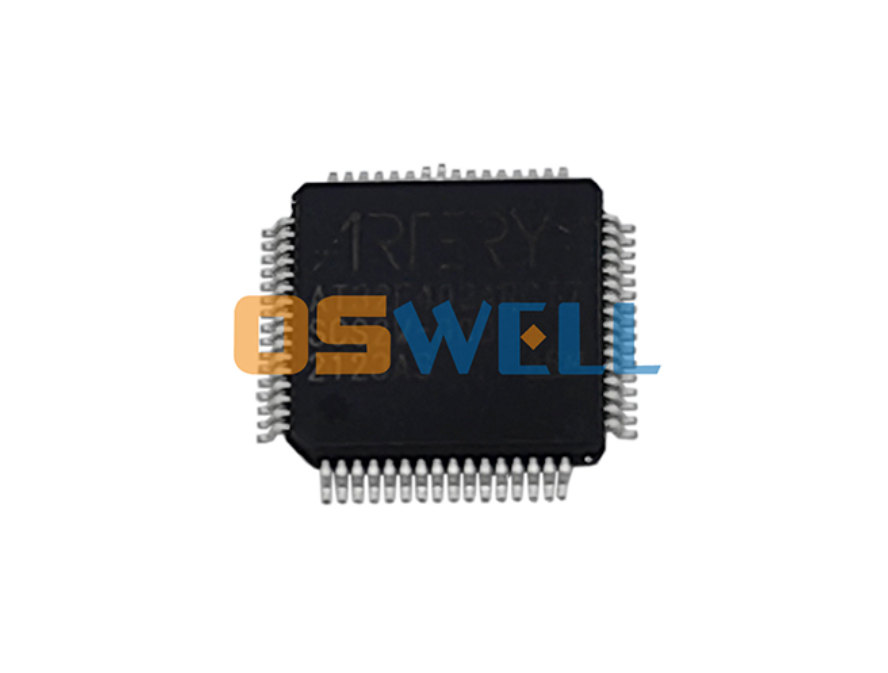
In summary, Oswell’s market position as a global provider of metering parts is a multi-faceted advantage. It is built on a unique combination of deep, integrated component expertise and advanced manufacturing, strategically aligned with the powerful trends shaping the energy and technology sectors. Ultimately, Oswell succeeds by being more than a catalog supplier; it is a vertically-integrated, technically-engaged partner that delivers the precision, reliability, and innovation its global customers need to build the foundational devices for a smarter and more electrified world.
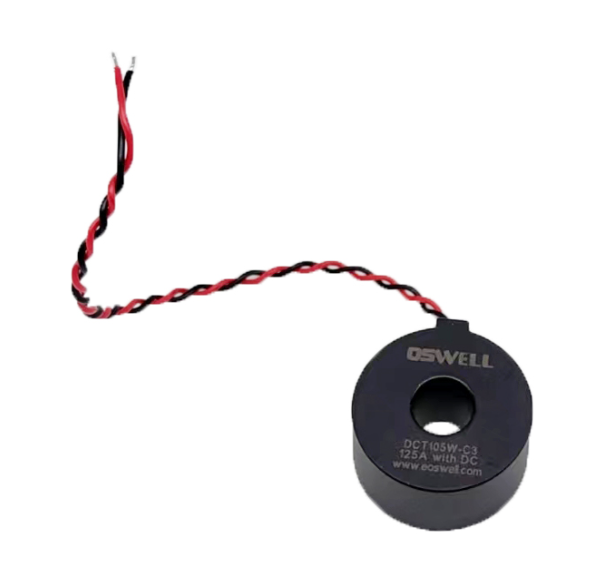
Comparing Split-Core and Solid-Core CTs
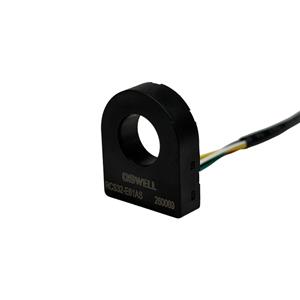
In conclusion, the choice between split-core and solid-core Current Transformers is not about which is universally "better," but about selecting the right tool for a specific application challenge. Solid-core CTs excel in environments where maximum accuracy, stability, and cost-efficiency for new installations are the priorities. Split-core CTs provide an indispensable, practical solution for modernizing existing infrastructure, enabling live installation, and facilitating energy audits and monitoring where system interruption is not an option. Understanding this core trade-off—between the theoretical performance perfection of a solid toroid and the unparalleled installation flexibility of a split-core design—is essential for engineers and project planners to deploy effective, reliable, and economical current sensing solutions.