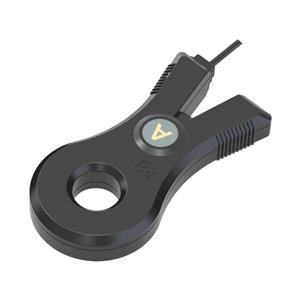
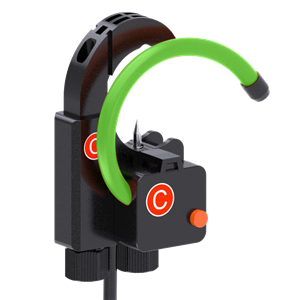
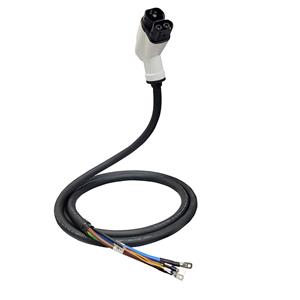
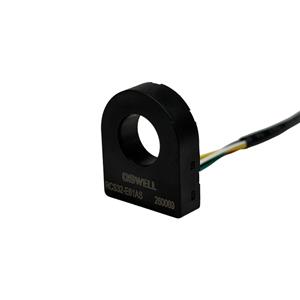
Low temperature drift is a critical performance factor for precision current measurement components used in modern electrical systems. Temperature-related measurement changes can affect smart meters, EV battery management systems, energy storage solutions, and industrial monitoring equipment. For manufacturers and procurement teams, selecting current sensors, current transformers, and shunt resistors with excellent temperature stability can improve measurement accuracy, reduce maintenance requirements, and enhance long-term product reliability. Partnering with an experienced supplier that provides stable manufacturing processes, accurate testing, and application support is essential for developing high-performance electrical products.
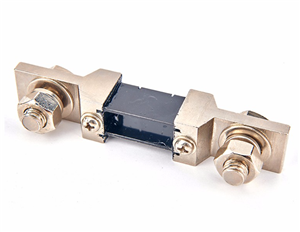
The shunt resistor, though small and often overlooked, plays an outsized role in the EV ecosystem. Its accuracy is the foundational data point upon which battery performance optimization and critical safety interventions are built. Inaccurate current sensing can lead to unreliable range estimates, accelerated battery degradation, and, in extreme cases, compromise vehicle safety. Investing in a high-precision, stable, and robustly engineered BMS shunt resistor, such as those from dedicated manufacturers, is not a cost but a strategic investment. It is an investment in driver confidence, vehicle performance, battery longevity, and above all, the fundamental safety that enables the widespread adoption of electric mobility. Precision in measurement is, therefore, the first and most crucial step towards a safe and efficient electric future.