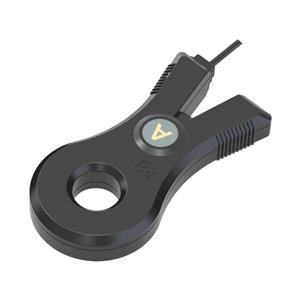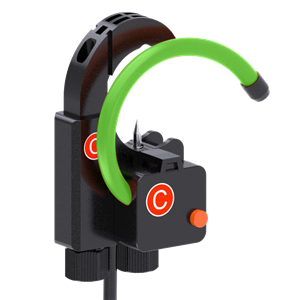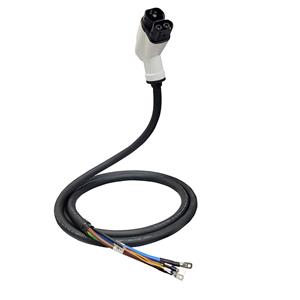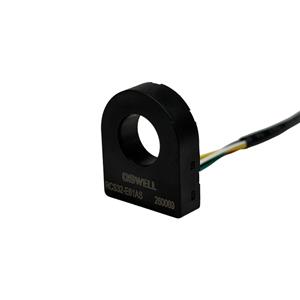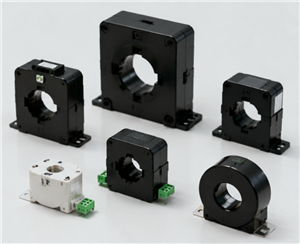
Selecting the right current transformer is essential for achieving accurate and reliable power measurement in smart meters and monitoring systems. Factors such as accuracy class, current ratio, environmental performance, and supplier capability all influence the final system performance. For smart meter manufacturers and global procurement teams, partnering with an experienced current transformer supplier can help build more reliable, efficient, and future-ready energy measurement solutions.
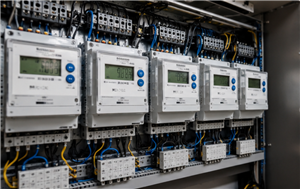
Smart energy meters are transforming the way modern buildings manage electricity consumption. By combining advanced measurement components with intelligent monitoring technologies, smart meters help improve energy efficiency, reduce operational costs, and support sustainable development. For smart meter manufacturers and procurement teams, selecting reliable current measurement components and experienced suppliers is essential for creating advanced energy management solutions for the future.
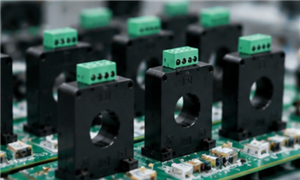
China's advanced manufacturing capabilities, engineering expertise, and complete supply chain advantages have made it a preferred sourcing destination for electrical measurement components. For global manufacturers looking for current sensors, current transformers, shunt resistors, and energy measurement solutions, choosing the right Chinese supplier can provide long-term value through reliable quality, customization support, and competitive manufacturing advantages.
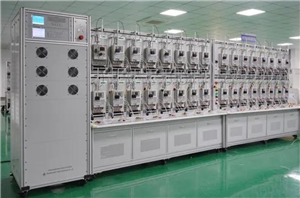
Accuracy class is a fundamental factor in determining the performance of electrical measurement components. From current transformers used in smart meters to current sensors applied in EV and energy storage systems, precise measurement technology ensures reliable data and efficient energy management. For manufacturers and procurement teams, selecting components with suitable accuracy performance and partnering with experienced suppliers are essential steps toward developing reliable and future-ready electrical systems.
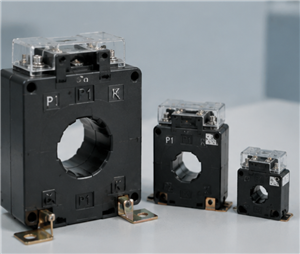
Both current transformers and current sensors play important roles in modern electrical measurement systems. Current transformers remain widely used in smart meters, power grids, and industrial monitoring applications, while advanced current sensors provide flexible solutions for electric vehicles, energy storage, and intelligent power systems. For manufacturers and procurement teams, understanding the differences between these technologies helps ensure the selection of the right measurement solution for each application. With the growth of smart energy and electrification, accurate current measurement technology will continue to be a key foundation for future energy systems.
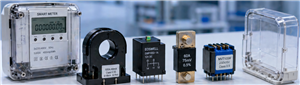
Evaluating smart meter components before mass production starts requires more than confirming that the sample works once. The right evaluation process should verify electrical stability, thermal behavior, safety support, dimensional compatibility, environmental durability, and batch consistency under realistic smart meter conditions. When these checks are carried out together and linked to the real application, project teams can reduce launch risk, improve manufacturing confidence, and support stronger long-term product reliability.
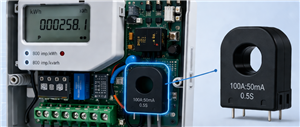
Preventing accuracy drift in smart meter current transformer selection requires more than checking one nominal performance value. The right CT should support stable ratio behavior, good linearity, proper burden compatibility, reliable thermal performance, mechanical consistency, and repeatable batch quality. When these factors are evaluated together in the context of the real smart meter design, project teams can reduce drift risk, improve calibration stability, and build meters with stronger long-term measurement reliability.

Before finalizing a smart meter design, the meter case should be checked from a full system perspective rather than as a simple enclosure choice. The right housing should support material stability, safe structure, reliable sealing, dimensional compatibility, practical installation, and repeatable production quality. When these factors are reviewed together, project teams can lock the design with stronger confidence, reduce hidden tooling and assembly risk, and support more reliable long-term smart meter performance.
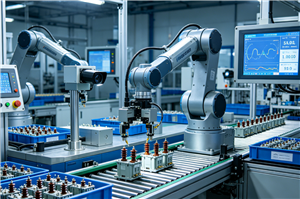
Choosing a miniature voltage transformer for stable smart meter performance requires more than checking size or basic output information. The right MVT should support reliable signal behavior, strong insulation confidence, efficient layout integration, temperature stability, and consistent mass-production quality. When these factors are evaluated together in the context of the real smart meter design, project teams can make better transformer decisions, reduce hidden performance risk, and support more dependable long-term meter operation.

Choosing a current transformer that improves smart meter accuracy requires more than checking the rated current or a single accuracy claim. The right CT should support stable low-current behavior, suitable ratio matching, good linearity, proper burden compatibility, temperature stability, and strong batch consistency. When these factors are evaluated together in the context of the real meter design, project teams can make better CT decisions, reduce calibration complexity, and build smart meters with more reliable long-term measurement performance.