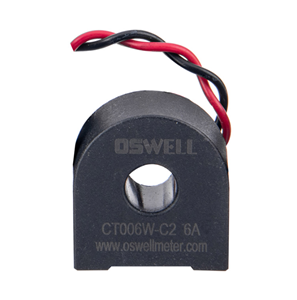
The most important reliability tests for smart meter components before mass production are the ones that verify real long-term stability rather than only initial function. Thermal testing, electrical and insulation checks, endurance evaluation, environmental stress review, structural validation, and batch consistency comparison all play a key role in reducing launch risk. When these tests are selected according to the real application and combined with system-level verification, project teams can move into mass production with stronger confidence, better quality control, and lower field failure risk.
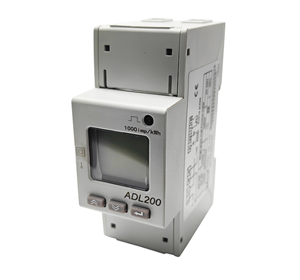
Choosing the right meter case for smart meter safety and durability requires more than comparing shape or cost. The right housing should support insulation confidence, material stability, sealing reliability, dimensional integration, and consistent large-scale production quality. When safety structure, environmental durability, internal fit, and supplier capability are evaluated together, smart meter developers can make a stronger enclosure decision. This helps reduce long-term field risk, improve assembly efficiency, and support more reliable meter performance throughout the product life cycle.

Choosing a latching relay for smart meter switching and load control requires more than checking a current rating or basic product size. The right relay should support reliable switching, low power operation, stable thermal behavior, safe structural design, and consistent performance in large-scale production. When contact reliability, coil characteristics, system integration, and supplier consistency are evaluated together, smart meter developers can make a stronger and more practical relay decision. This helps improve load control stability, reduce long-term risk, and support more reliable smart meter performance in real operating conditions.
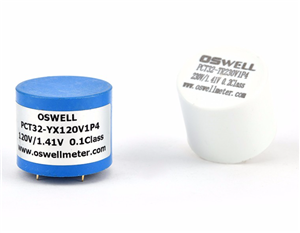
How To Match Latching Relays, Current Sensors, And Transformers To Smart Meter System Requirements
In smart meters, good component matching means relay duty, metrology accuracy, and system configuration all support the same product goal. When these three move together, the design becomes more reliable, easier to commission, and more scalable.

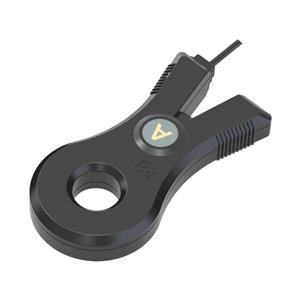
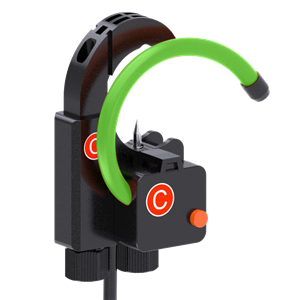
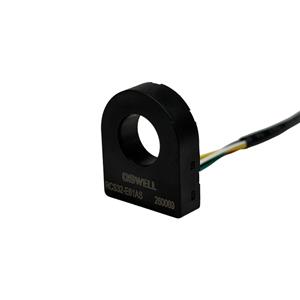
In conclusion, Current Transformers are far more than simple metering devices; they are the indispensable bridge that connects the physical electrical grid with the digital world of smart management. They are fundamental to grid safety, renewable integration, and operational intelligence. As grids become more decentralized, dynamic, and data-driven, the demand for CTs that offer exceptional accuracy, robust construction for harsh environments, and long-term reliability will only intensify. For international procurement specialists building the grids of the future, partnering with proven component manufacturers like Oswell is a strategic decision. It ensures access to core sensing technology that is not just a commodity, but a critical enabler for a stable, efficient, and sustainable energy ecosystem powered by smart grids and widespread renewable energy.
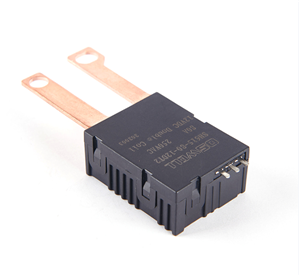
The Critical Role of Latching Relays in Smart Meter Remote Load Control and Tariff Switching.
In summary, the latching relay is the silent, yet critical, enforcer within the smart meter that physically executes the commands of a modern, intelligent grid. It is the key hardware component that enables remote demand-side management, dynamic tariff structures, and enhanced energy conservation—all while consuming virtually no power in its steady state. Its reliability directly impacts grid operational efficiency, utility revenue protection, and consumer trust. For procurement specialists and smart meter designers, selecting a latching relay is not a commodity decision. It is a strategic choice for long-term performance. Partnering with established component specialists like Oswell, who engineer their relays to meet the exacting standards of the global metering industry, is essential. It ensures the deployment of smart meters that are not only intelligent in communication, but also unwavering in their physical execution of control commands, forming the dependable backbone of the advanced metering infrastructure.
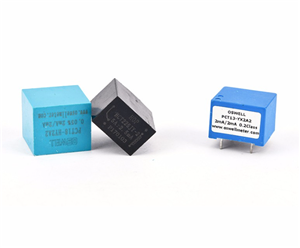
The right voltage ratio for a miniature voltage transformer is the ratio that scales the real primary voltage into the intended input range of the meter or control device, while still maintaining the needed accuracy under the actual burden and wiring scheme. In practice, that means buyers should check five things together: system voltage, target secondary voltage, burden level, device configuration method, and insulation context. When those five line up, ratio selection becomes straightforward. When they do not, even a technically “correct” ratio can become the wrong purchasing decision.
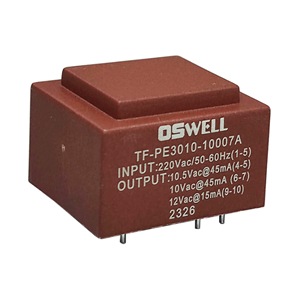
To check whether a miniature transformer fits a smart meter or control system, buyers should evaluate three levels together: electrical fit, system fit, and lifecycle fit. Electrical fit covers ratio, burden, accuracy, and phase behavior. System fit covers wiring topology, CT/VT settings, input compatibility, and safe connection behavior. Lifecycle fit covers physical integration, temperature performance, calibration potential, and long-term stability. When all three levels align, the miniature transformer becomes more than a component choice—it becomes a lower-risk decision for the entire product.
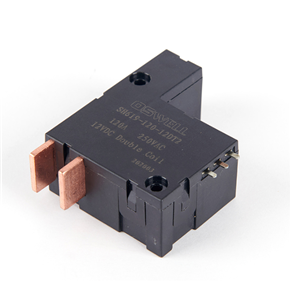
Before ordering a smart meter relay, buyers should check three things in depth: whether the relay truly matches the electrical load and drive architecture, whether reliability and standards are supported by meaningful test data, and whether the relay can stay consistent and integration-friendly in real production. A smart meter relay is not just a switching part. It is a field-risk component, a cost-of-ownership decision, and a key factor in long-term meter performance.
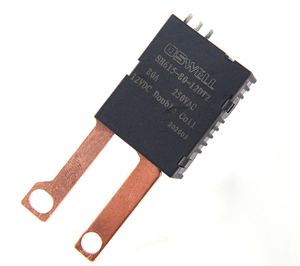
The 60A latching relay is a pivotal component in the evolution of smart grid technology. It masterfully solves the fundamental conflict between the need for reliable, high-current switching and the imperative for ultra-low power consumption. By operating on brief energy pulses and maintaining state with zero holding power, it enables the advanced functionalities of AMI—such as dynamic tariffing and remote load control—while drastically reducing system losses. Its inherent reliability, safety features, and long service life make it the only viable choice for deploying these functions on a massive scale. For meter manufacturers, utilities, and system integrators, specifying a high-quality 60A latching relay is not merely a component selection; it is a strategic investment in building a more efficient, responsive, and resilient electrical infrastructure for the future.