How 6mA DC Leakage Detection Improves Safety in Modern EV Charging Equipment
How 6mA DC Leakage Detection Improves Safety in Modern EV Charging Equipment
As electric vehicle charging infrastructure expands worldwide, safety requirements for EV charging equipment are becoming increasingly demanding. Modern charging systems combine high power, complex power electronics, communication modules, and sensitive control circuits. Under these conditions, residual current and DC leakage can become important safety concerns for charging station manufacturers, electrical system designers, and operators.
6mA DC leakage detection has therefore become an important function in many EV charging applications. By continuously monitoring abnormal DC residual current, dedicated residual current sensors can help charging equipment identify potentially dangerous conditions before they develop into larger electrical faults. For EV charger manufacturers and procurement teams, selecting a reliable 6mA DC leakage detection solution can directly affect product safety, system stability, and long-term field performance.
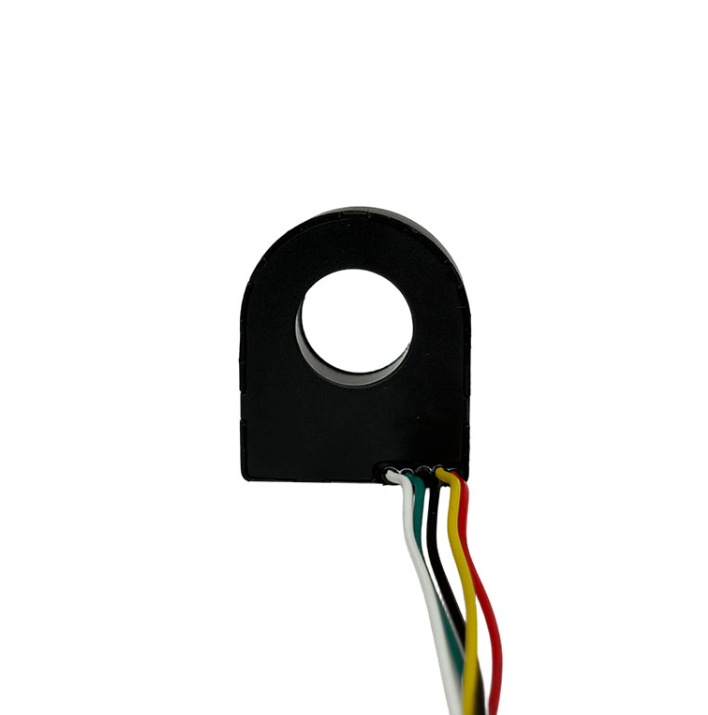
1. Why 6mA DC Leakage Detection Matters in EV Charging Systems
EV charging equipment operates in an environment where AC power, DC power conversion, vehicle battery systems, and electronic control circuits interact continuously. During charging, abnormal insulation conditions, damaged components, aging cables, moisture, or internal electrical faults may create unwanted leakage current.
One important risk is DC residual current. When DC leakage occurs, it may affect the operation of conventional protection devices and reduce the reliability of the overall safety system. This is why modern charging equipment often requires dedicated monitoring capable of identifying small DC leakage currents, including the commonly referenced 6mA level.
A 6mA DC residual current sensor monitors the charging circuit and provides a signal when the detected leakage current reaches a defined threshold. This allows the EV charger control system to activate protective measures, such as interrupting charging or triggering another safety response.
For charging equipment manufacturers, this type of monitoring provides several important benefits:
Earlier detection of abnormal DC leakage
Improved electrical protection performance
Reduced risk caused by insulation faults
Better protection of charging equipment and connected vehicles
Improved safety for end users and maintenance personnel
From a procurement perspective, leakage current detection should not be viewed as a secondary component choice. It is part of the complete protection architecture of the charging system. If the sensor has poor stability, inconsistent output, or weak immunity to environmental changes, the performance of the entire protection system may be affected.
For this reason, EV charger manufacturers increasingly evaluate residual current sensors not only according to basic detection capability, but also according to accuracy, repeatability, response consistency, electrical isolation, temperature stability, and long-term reliability.
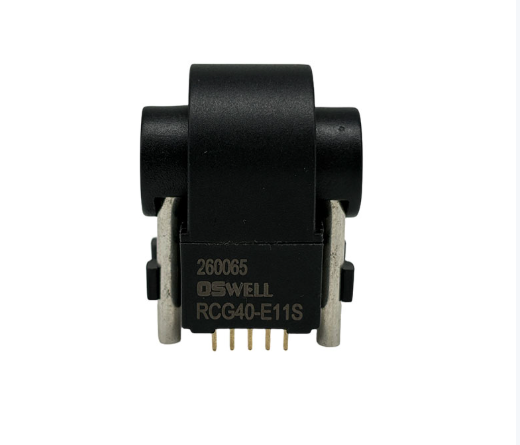
2. How Residual Current Sensors Improve EV Charger Safety and Reliability
A dedicated residual current sensor is designed to detect very small differences between current flowing into and out of the monitored circuit. Under normal operating conditions, these currents should remain balanced. When leakage occurs, the sensor detects the imbalance and provides information to the charger control system.
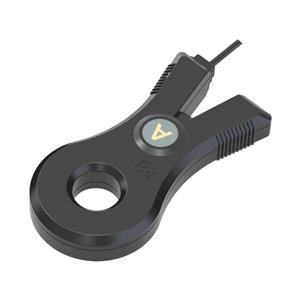
In EV charging applications, solutions such as Type A plus 6mA DC residual current sensors can help monitor both conventional residual current conditions and DC leakage associated with power electronic systems.
For OEM charging equipment manufacturers, several performance characteristics are especially important.
Stable Detection Threshold:
A leakage current sensor must provide repeatable detection performance. Inconsistent thresholds can create nuisance trips or, more seriously, delay fault detection.
Fast and Reliable Response:
When abnormal current appears, the protection system must receive a reliable signal quickly enough to support appropriate system action.
Temperature Stability:
EV chargers may operate in outdoor environments, parking facilities, residential garages, or industrial locations. Wide temperature variation can influence electronic components, making stable sensor performance important.
Compact Integration:
Charging equipment designs are becoming smaller and more integrated. Residual current sensors must fit within limited PCB or enclosure space while maintaining reliable performance.
Mass-Production Consistency:
For OEM projects, one successful prototype is not enough. Manufacturers need sensors that maintain consistent characteristics across large production batches.
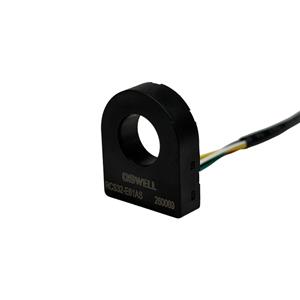
Residual current sensors such as OSWELL's RCS32 and RCG40 product families are designed for applications requiring residual current and DC leakage monitoring. For procurement teams developing EV charging products, these products can be evaluated together with the charger architecture, current range, PCB layout, mechanical structure, and protection strategy.
This early-stage component evaluation can reduce redesign work later in the project and help engineering teams avoid problems during validation and production.
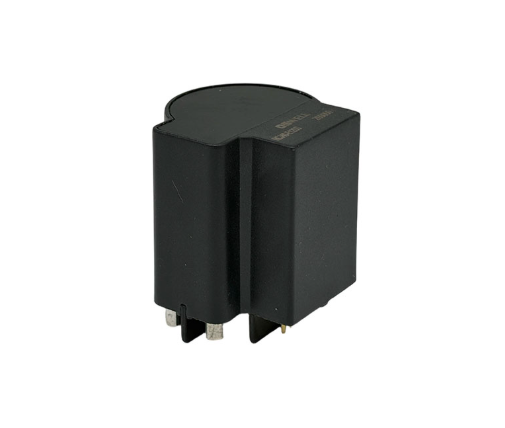
3. What EV Charger Manufacturers Should Consider When Choosing a 6mA DC Leakage Sensor
Selecting a residual current sensor should involve both engineering and procurement teams. Price is important, but using price as the only decision factor can create higher lifecycle costs if the component causes repeated calibration, field failures, or production inconsistency.
Buyers should evaluate several areas before approving a supplier:
DC leakage detection stability
Residual current measurement performance
Temperature characteristics
Electrical isolation capability
Mechanical dimensions and mounting method
Output signal compatibility
Production testing procedures
Batch-to-batch consistency
Customization capability
Long-term supply stability
Supplier engineering support is especially important during OEM product development. Different charger designs may use different control boards, switching architectures, cable structures, or protection logic. A supplier that can support application evaluation and component customization can help shorten development cycles and reduce unnecessary design changes.
Procurement teams should also consider long-term production requirements. EV charging equipment may remain in production for several years, so stable component availability and consistent manufacturing quality are critical.
As EV charging infrastructure continues to expand, charging equipment manufacturers will face increasing pressure to improve both safety and reliability. Reliable 6mA DC leakage detection will remain an important part of that development, particularly in residential chargers, commercial charging stations, and other AC charging applications where residual current protection is a critical design consideration.
Conclusion
6mA DC leakage detection plays an important role in improving the electrical safety of modern EV charging equipment. By accurately monitoring abnormal DC residual current, dedicated residual current sensors help charging systems identify potential faults and support timely protection actions. For EV charger manufacturers and procurement teams, choosing sensors with stable detection performance, temperature reliability, compact integration, production consistency, and strong supplier support can reduce development risks and improve long-term product reliability. As EV charging infrastructure becomes more widespread, high-quality residual current sensing will remain a key component in building safer and more dependable charging systems.