The Future of Intelligent Power Monitoring and Advanced Current Sensing Technologies
The Future of Intelligent Power Monitoring and Advanced Current Sensing Technologies
The global energy industry is moving toward a more intelligent, connected, and data-driven future. As smart grids, renewable energy systems, electric vehicles, industrial automation, and energy storage technologies continue to develop, the demand for accurate and reliable power monitoring solutions is increasing rapidly.
Advanced current sensing technologies are becoming a fundamental part of intelligent power management systems. By providing accurate real-time electrical data, current transformers, current sensors, shunt resistors, and other measurement components help manufacturers and system operators improve energy efficiency, enhance safety, and optimize equipment performance.
For electrical equipment manufacturers, energy solution providers, and procurement teams, understanding future trends in intelligent power monitoring is essential for selecting reliable measurement components and developing competitive products for global markets.
1. The Growing Importance of Intelligent Power Monitoring Systems
Traditional power monitoring systems mainly focused on basic electricity measurement. However, modern electrical networks require much more detailed information to support intelligent decision-making and efficient energy management.
With the growth of renewable energy, electric vehicle charging infrastructure, smart buildings, and industrial automation, electrical systems are becoming more complex. Operators need real-time visibility into current flow, power consumption, equipment conditions, and energy distribution.
Intelligent power monitoring systems help achieve this by collecting and analyzing electrical data from different points within a system.
Key applications include:
Smart grid monitoring
Industrial energy management
Renewable energy optimization
Battery energy storage monitoring
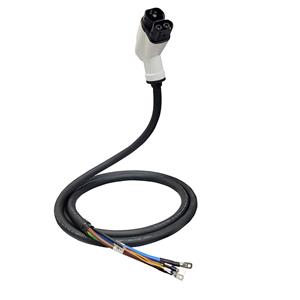
Electric vehicle charging management
Smart building power control
Accurate current measurement is the foundation of these systems. Without reliable sensing components, energy management platforms cannot provide accurate analysis or make effective optimization decisions.
For example, in an industrial factory, current monitoring can help identify inefficient equipment operation, abnormal power consumption, and potential maintenance issues. In renewable energy systems, accurate measurement helps balance energy generation, storage, and consumption.
As businesses increasingly focus on energy efficiency and sustainability, intelligent power monitoring will become an essential technology for reducing operating costs and improving system reliability.
2. How Advanced Current Sensing Technologies Enable Smarter Energy Management
Advanced current sensing technologies provide the measurement accuracy and stability required by next-generation electrical systems. Different applications require different sensing solutions depending on voltage level, current range, installation environment, and performance requirements.
Current Transformers:
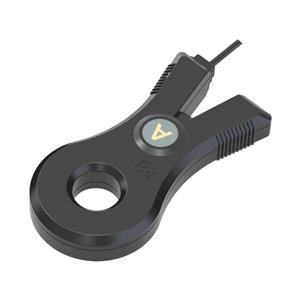
Current transformers remain widely used in smart meters, power monitoring equipment, and distribution systems. Their ability to provide accurate AC current measurement with electrical isolation makes them an important component in modern energy infrastructure.
Current Sensors:
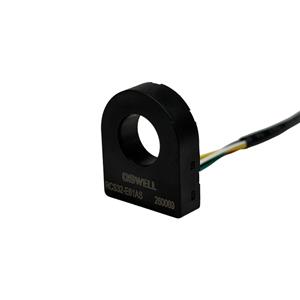
Modern current sensors support a wider range of applications, including EV systems, battery monitoring, power electronics, and industrial control equipment. They provide flexible solutions for applications requiring compact size, fast response, and accurate measurement.
Precision Shunt Resistors:
Shunt resistors provide highly accurate current measurement for battery management systems and energy storage applications. Their performance directly influences SOC estimation, energy management, and battery protection.
Rogowski Coils:
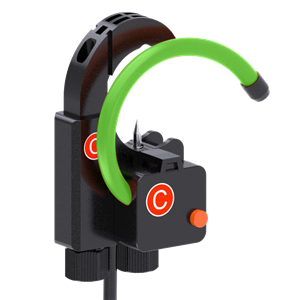
Flexible current sensing solutions such as Rogowski coils are valuable for high-current monitoring applications where installation flexibility and wide measurement range are important.
When selecting advanced current sensing components, procurement teams should evaluate:
Measurement accuracy
Temperature stability
Response speed
Electrical isolation performance
Long-term reliability
Integration flexibility
For OEM manufacturers, component consistency is equally important. Stable production processes, strict quality control, and reliable testing procedures help ensure that measurement components perform consistently in large-scale applications.
A professional measurement component supplier can support customers by providing customized solutions based on specific product requirements and application environments.
3. Future Trends and What Buyers Should Look for in Measurement Technology Suppliers
The future of intelligent power monitoring will be closely connected with digitalization, artificial intelligence, renewable energy integration, and advanced automation. Electrical systems will require more accurate, faster, and more intelligent measurement capabilities.
Future applications will increasingly depend on advanced current sensing technologies for:
AI-based energy optimization
Smart grid automation
Electric vehicle charging networks
Distributed energy systems
Battery storage management
Industrial IoT platforms
For global manufacturers and procurement teams, choosing the right measurement component supplier will become increasingly important. Beyond product specifications, buyers should evaluate the supplier's engineering capability, manufacturing experience, customization support, and long-term supply stability.
Important supplier evaluation factors include:
Experience with industrial applications
Quality management systems
Product testing capability
Mass production capability
Customization services
Technical support
As electrical systems become smarter, measurement components will no longer serve only as simple sensing devices. They will become important data sources that support intelligent control, predictive maintenance, and energy optimization.
For companies developing smart energy products, EV systems, industrial equipment, or renewable energy solutions, partnering with an experienced current measurement supplier can provide significant advantages in product reliability and market competitiveness.
Advanced current sensing technology will continue to play a central role in creating safer, more efficient, and more intelligent electrical systems worldwide.
Conclusion
Intelligent power monitoring and advanced current sensing technologies are becoming essential components of modern energy systems. From smart grids and renewable energy to electric vehicles and industrial automation, accurate electrical measurement provides the foundation for better energy management and improved system reliability. For manufacturers and procurement teams, selecting current transformers, current sensors, shunt resistors, and other measurement components from experienced suppliers is critical for developing reliable and future-ready electrical solutions.