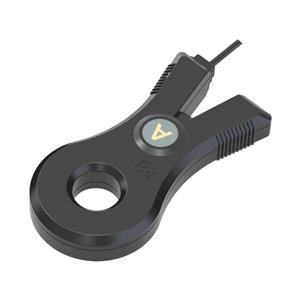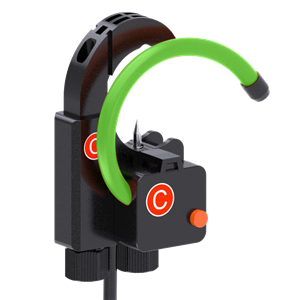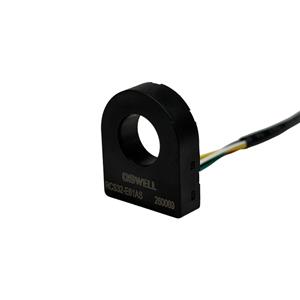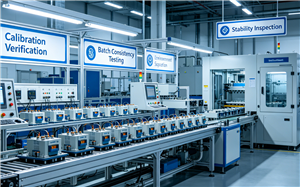
A metering CT becomes stable in real smart meter applications when it can maintain predictable ratio behavior, good linearity, proper burden compatibility, thermal consistency, and repeatable batch quality across practical operating conditions. Stability is not only about one good sample or one short test result. It is about whether the current transformer can continue supporting reliable measurement performance in real design, real production, and real field service. When these factors are evaluated together, project teams can choose CTs that bring stronger accuracy control and lower long-term risk.
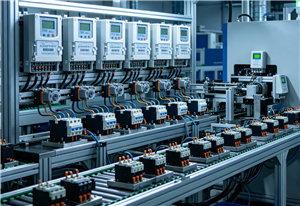
Selecting a latching relay that reduces smart meter failure risk requires more than checking a nominal current rating or product size. The right relay should provide stable contact performance, reliable actuation, sufficient switching margin, controlled thermal behavior, strong mechanical consistency, and dependable safety structure. When these factors are evaluated together under real application conditions, project teams can make stronger relay decisions, reduce hidden failure risk, and improve long-term smart meter reliability.
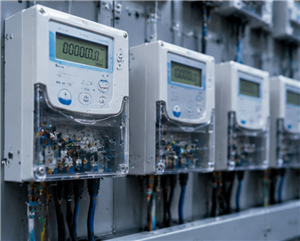
Smart meter components are essential building blocks for modern smart grid development. By providing accurate, reliable, and real-time electrical measurement data, current transformers, current sensors, and precision measurement components help utilities improve energy efficiency, optimize power distribution, and build smarter energy networks. For smart meter manufacturers and global procurement teams, choosing reliable component suppliers is a key step toward creating future-ready energy solutions.
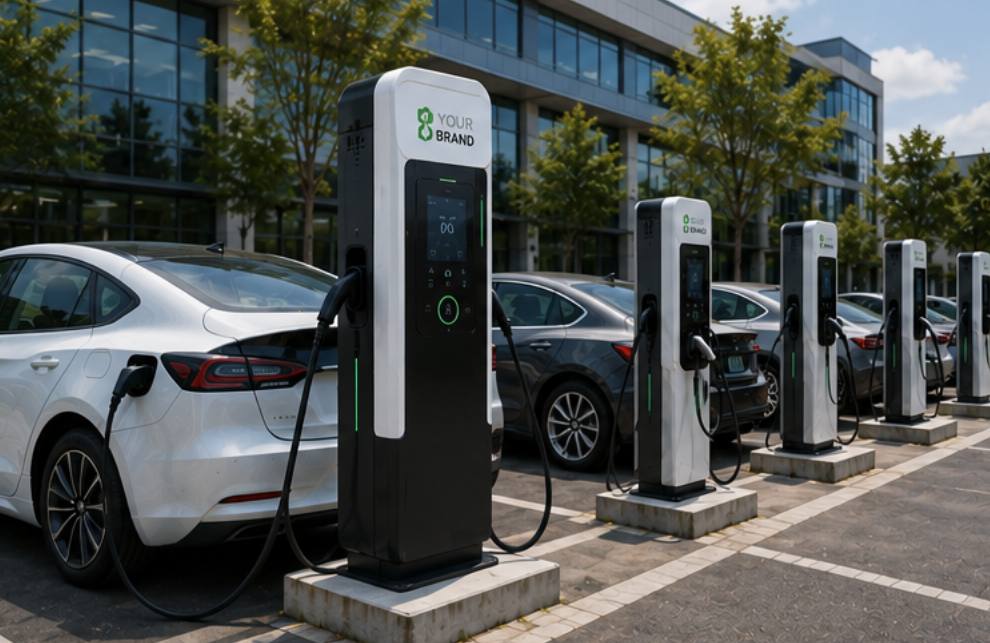
Home / Technical Guides / Pedestal EV Charging Station SupplierWhy Customization Matters When Choosing A Pedestal EV Charging Station SupplierIn pedestal EV charging projects, buyers often c

Home / Technical Guides / Pedestal EV Charging Station ApplicationsWhat Makes A Pedestal EV Charging Station Suitable For Fleets, Retail And Commercial Real EstateA pedestal EV charging stat

Home / Technical Guides / Pedestal EV Charger InstallationHow To Reduce Installation Problems In Pedestal EV Charging Station ProjectsIn pedestal EV charging station projects, installation p
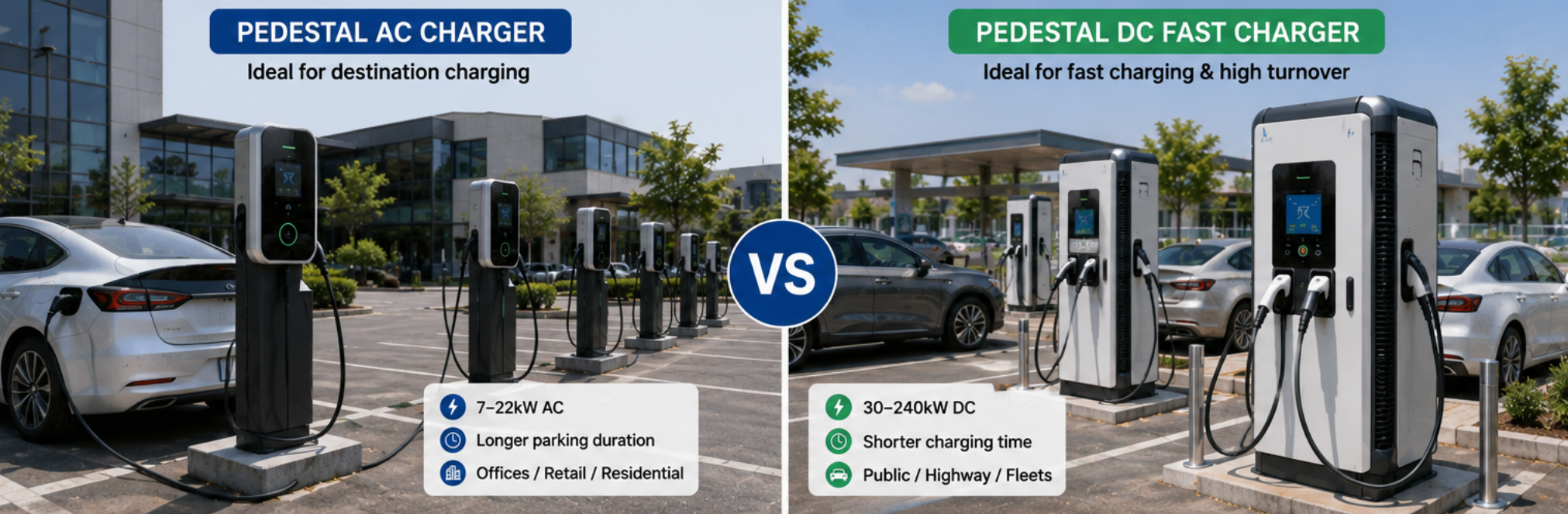
Home / Technical Guides / EV Charging Business ModelPedestal DC Fast Charger Or AC Charger: Which One Fits Your Business Model Better?Choosing between a pedestal DC fast charger and a pedest
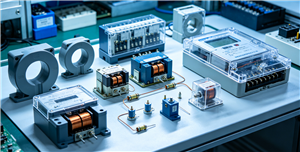
To check whether a smart meter component is really ready for mass production, buyers and engineers should look beyond a single sample result and confirm real application fit, system-level compatibility, repeatability, process relevance, practical stability, and future supplier continuity. When these points are reviewed together, the project becomes much less likely to face hidden delays or instability after the production schedule has already started.
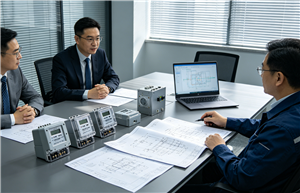
What makes a smart meter component supplier reliable for long-term OEM cooperation is not only price or sample speed. Buyers should look for stronger application understanding, more realistic samples, clearer technical communication, better process control, more useful project-stage support, and stronger future batch readiness. When these factors are confirmed together, supplier selection becomes safer and long-term OEM cooperation becomes much more stable.
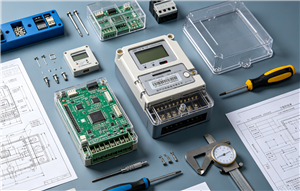
Reducing PCB and housing mismatch in smart meter component sourcing requires more than checking electrical function or external dimensions alone. Buyers and engineers should confirm PCB outline, housing internal structure, component direction, tolerance margin, and real assembly fit before approving parts. When these points are reviewed together and early enough, the project becomes much less likely to face repeated samples, delayed approval, or costly structural rework later.