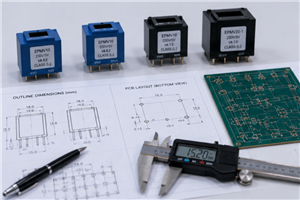
Before ordering a miniature voltage transformer for smart meters, buyers should confirm application type, electrical requirement, dimensional fit, insulation confidence, thermal stability, and future production readiness. A stronger confirmation process reduces design mismatch, avoids repeated quotation and sampling changes, and improves confidence in the next project stage. In smart meter projects, better ordering decisions lead to better long-term component results.
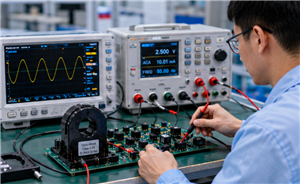
Choosing a current transformer for smart meter projects without causing accuracy problems requires more than checking rated current or one good sample result. The right CT should match the real operating range, burden condition, linearity target, mounting structure, insulation needs, and supplier batch consistency requirements of the project. When these points are reviewed together, buyers and engineers can reduce calibration trouble, avoid hidden measurement errors, and support more reliable long-term smart meter performance.
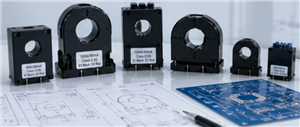
Buyers should provide clear application, electrical, dimensional, installation, safety, and project information before requesting a smart meter CT quote. Doing so helps the supplier recommend the right model faster, reduces repeated communication, improves quotation accuracy, and shortens the sampling and decision process. A better CT RFQ leads to a better quotation, and a better quotation usually leads to a smoother smart meter project.
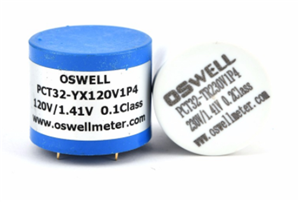
A Voltage Type Miniature Voltage Transformer (VTMVT) is a type of instrument transformer designed to accurately convert high voltage levels to a lower, more manageable voltage level, primarily for measurement or control purposes. It's typically deployed in power systems where voltage regulation is paramount, such as in power plants, substations, and industrial complexes.
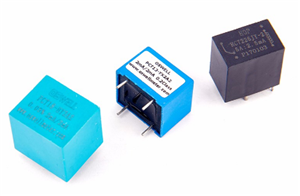
The Crucial Role of Miniature Voltage Transformers in Medical Instrumentation Introduction:
Medical instrumentation plays a pivotal role in patient care, diagnosis, and treatment. Among the crucial components powering these devices are miniature voltage transformers. These devices facilitate accurate voltage measurement, isolation, and signal conditioning, ensuring the reliability and safety of medical equipment. This article will explore the role of miniature voltage transformers in various medical applications, including patient monitoring systems, diagnostic equipment, and imaging devices.
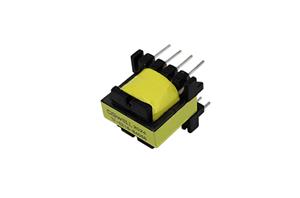
Power transformers play a vital role in the transmission and distribution of electrical power. They are responsible for step-up and step-down voltage conversion, ensuring efficient and reliable electricity supply. The design and development of power transformers involve several critical technological challenges. In this technical blog, we will explore some of the key obstacles faced by engineers in power transformer design.
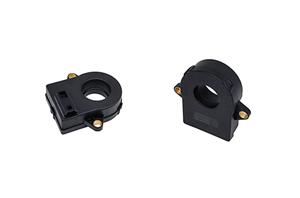
What are the similarities and differences of voltage and current transformers? The current transformer is called CT and the voltage transformer is called PT. What they have in common is that they work on the principle of electromagnetic induction, which is used to monitor the electrical circuit: the current of the electrical circuit is monitored through CT, which is the current source of secondary instrument and protection
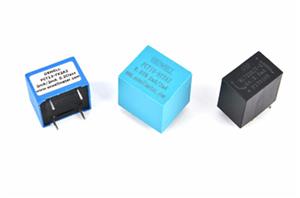
Voltage transformer - according to the principle of electromagnetic induction type and capacitance type two categories. According to the purpose, voltage transformers are divided into two categories: measurement and protection.

main feature of intestinal sensor
The current transformer is flexible in the secondary time. You can also use soft cables to plug a pins. It can be installed with a fixed lead.

Enterprises adapt to mobile office
In many work links, such as quotation, after-sales, logistics, etc., during the epidemic, we did not completely press the pause button, but all departments worked together and cooperated to promote the promotion and development of business and various tasks.