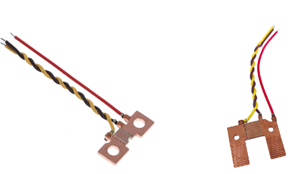
In the field of electrical engineering, Current Shunt Resistors are widely used for accurate current measurements. However, it is important to consider the thermal effects and temperature drift characteristics of these resistors to ensure their reliable performance. This article aims to explore the impact of thermal effects and temperature drift on Current Shunt Resistors and discuss strategies to mitigate their influence.
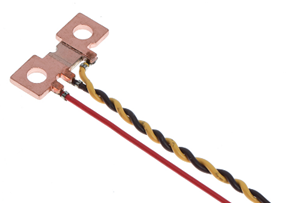
Accurately measuring current is crucial in circuit design. To achieve accurate current measurement, engineers often use a Current Shunt Resistor as a current sensing element. This article will delve into the importance of evaluating the accuracy and precision of Current Shunt Resistors, as well as discuss some commonly used evaluation methods.

Precision current shunt resistors are becoming a key technology for improving electric vehicle battery safety, efficiency, and intelligent energy management. For EV manufacturers, battery system developers, and global component distributors, selecting a dependable shunt resistor supplier is essential for building reliable next-generation electric mobility solutions. With accurate current measurement, stable performance, and flexible customization capabilities, advanced shunt resistor technology will continue to support the growth of the global electric vehicle industry.
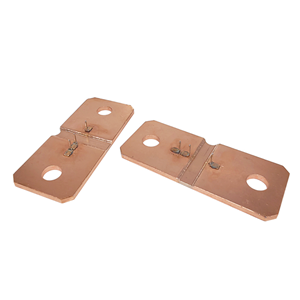
Shunt resistors and current transformers each offer valuable advantages for smart meter design, but they serve different design priorities. Shunt resistors often stand out for economy, direct sensing, and compact integration. Current transformers often stand out for isolation, magnetic sensing structure, and suitability in certain robust metering architectures. The better choice depends on the actual meter platform, including cost target, thermal strategy, safety structure, integration method, and long-term reliability goals. By evaluating both sensing methods from a full system perspective, smart meter developers can make a more practical and more reliable design decision.
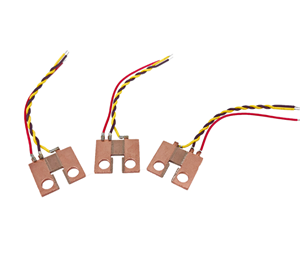
Before ordering a shunt resistor, buyers should check three things in depth: whether the resistance value matches the real current range and acceptable power loss, whether TCR and Kelvin sensing support accurate measurement under heat and parasitics, and whether power rating, drift, and traceability are strong enough for long-term use. A shunt resistor is not just a resistor. In many systems, it is the foundation of current measurement quality.