Comparing Resistive vs. Capacitive Touch for Rugged Environments.
Comparing Resistive vs. Capacitive Touch for Rugged Environments
The Demands of Industrial and Outdoor Human-Machine Interfaces
In the realm of industrial automation, electric vehicle charging stations, and outdoor kiosks, the human-machine interface (HMI) is the critical point of user interaction. Unlike consumer electronics used in controlled indoor environments, these interfaces must endure harsh, unpredictable conditions. They face constant threats from water, dust, oils, chemicals, wide temperature swings, physical impacts, and operator use with gloved hands. A failure here is not a minor inconvenience; it can halt production, disable a critical charging point, or lead to costly repairs and downtime. Therefore, selecting the right touchscreen technology is not merely a choice of user experience—it's a fundamental engineering decision for long-term reliability. The core debate for these rugged applications centers on two primary technologies: the traditional, time-tested Resistive Touch and the modern, sleek Capacitive Touch.
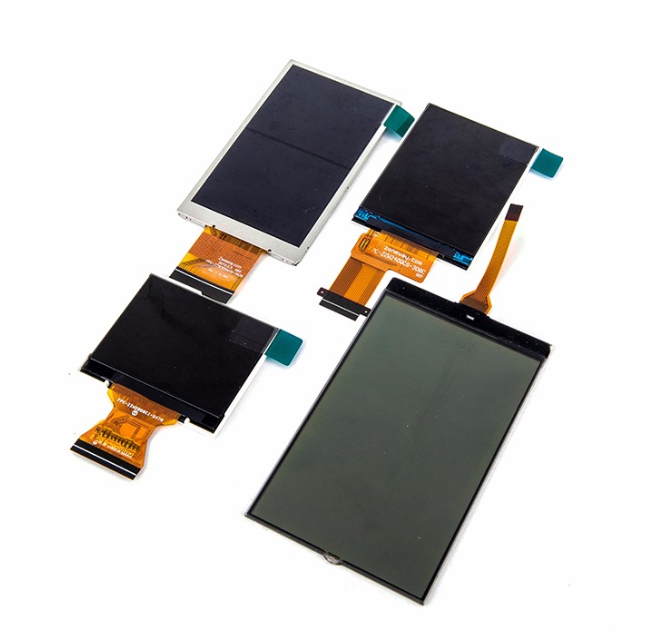
The Resilient Simplicity of Resistive Touch Technology
Resistive touch screens, commonly employed in many of Oswell's HMIs, operate on a straightforward and robust mechanical principle. The screen comprises two flexible, transparent conductive layers separated by tiny insulating spacers. When pressure is applied—whether by a finger, gloved hand, stylus, or even a blunt object—the layers make contact at the precise point of touch, completing a circuit and registering the input. This pressure-based mechanism grants resistive technology its key advantages for rugged use. First, it boasts excellent sealability, easily achieving high Ingress Protection (IP) ratings (like IP65) against water and dust when paired with a properly sealed front bezel. Second, it is highly resistant to surface contaminants such as liquids, grease, or dirt; as long as the object can apply pressure, input is recognized. Third, it offers consistent performance in all weather conditions, unaffected by temperature, humidity, or condensation. Finally, it is inherently compatible with thick work gloves, a non-negotiable requirement in many industrial and outdoor settings. While offering slightly lower optical clarity and being susceptible to surface scratches over time, its durability, reliability, and cost-effectiveness make it the undisputed champion for the most demanding environments.
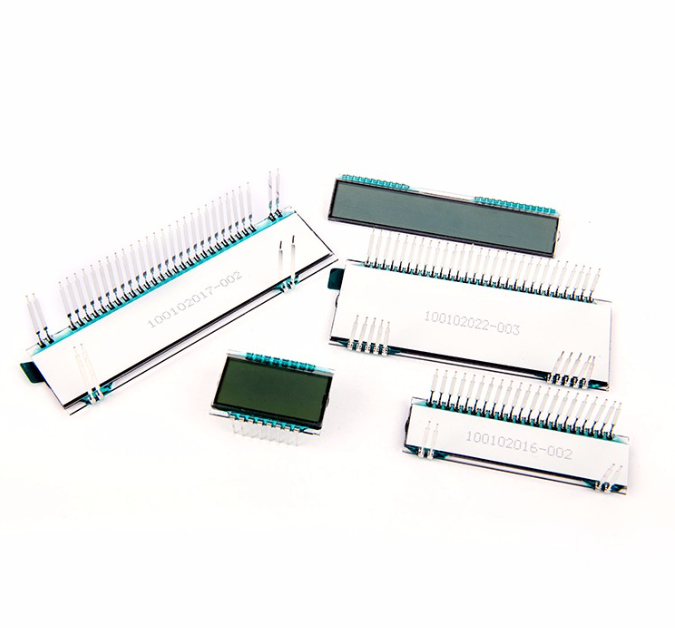
The Advanced Interaction and Limitations of Capacitive Touch
Capacitive touch screens, dominant in smartphones and tablets, offer a different user experience based on sensing the electrical properties of a conductive object, typically a bare finger. They use a glass panel coated with a transparent conductive material. When a finger touches the screen, it disturbs the screen's electrostatic field, and the change is measured to determine the touch location. This technology delivers superior optical clarity, a sleek, scratch-resistant glass surface, and supports advanced multi-touch gestures like pinch-to-zoom. However, in rugged environments, these benefits come with significant caveats. Its primary weakness is incompatibility with standard work gloves (unless they are specially designed capacitive gloves), immediately limiting its use. While glass is hard, it can be more brittle and susceptible to cracking from sharp impacts. Achieving high IP ratings with a fully sealed capacitive panel can be more complex and costly. Performance can also be adversely affected by standing water, thick contaminants, or extreme environmental factors that alter the electrical field. While modern Projected Capacitive (PCAP) technology has improved durability and can support thick cover lenses and glove touch modes (with reduced sensitivity), it generally comes at a higher cost. Thus, capacitive touch is often reserved for less hostile applications where a premium user interface and multi-touch are critical requirements.
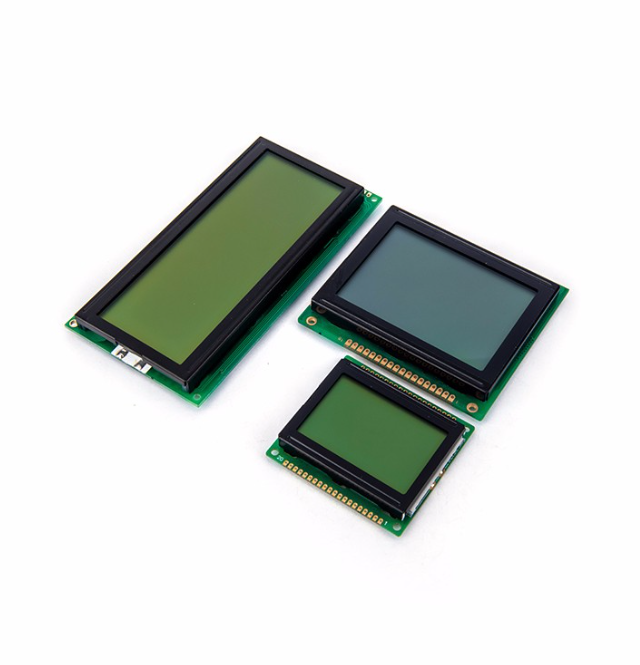
The choice between resistive and capacitive touch for rugged HMIs is a strategic trade-off between ultimate environmental resilience and advanced user interface features. For applications where absolute reliability under harsh conditions, glove operation, and cost-effective durability are paramount—such as in industrial controls, outdoor EV chargers, or construction equipment—resistive technology remains the robust and pragmatic choice. It ensures uninterrupted operation where it matters most. Conversely, for indoor or sheltered applications where visual appeal, multi-touch functionality, and bare-finger precision are prioritized and environmental stresses are controlled, capacitive screens offer a premium experience. Manufacturers like Oswell leverage this understanding to specify the optimal touch solution, ensuring that the HMI not only functions on day one but continues to perform reliably for years under the specific stresses of its intended operational life.