How Current Transformers Improve Safety in Smart Grids
How Current Transformers Improve Safety in Smart Grids
Accurate Fault Detection and Isolation for Grid Protection
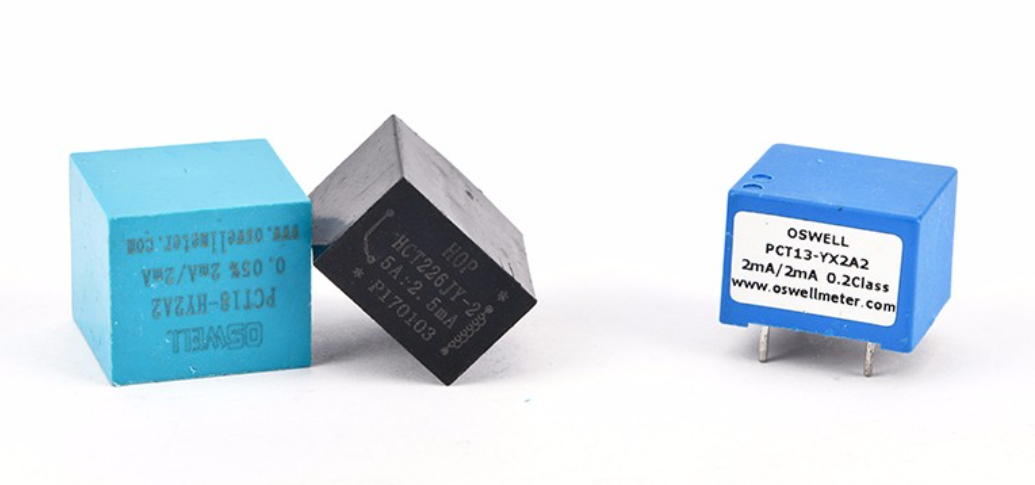
Current Transformers (CTs) serve as the critical "sensing eyes" of smart grids, providing precise current measurement that enables rapid fault detection and isolation. In medium and high-voltage networks, CTs step down high primary currents to standardized, safe secondary levels (e.g., 1A or 5A) for monitoring by protective relays. When a fault occurs, such as a short circuit, the CT instantly detects the abnormal current surge and sends a proportional signal to the relay. This triggers the circuit breaker to open within milliseconds, isolating the faulty section and preventing equipment damage, fires, or widespread blackouts. The reliability of this entire protective chain hinges on the CT's performance. High-quality CTs from manufacturers like Oswell, which utilize advanced materials and feature high accuracy classes (e.g., Class 0.5, 1.0), ensure that even minor fault currents are accurately measured, allowing for faster and more selective protection. This selective coordination minimizes outage impact by disconnecting only the faulted area, thereby enhancing the overall resilience and safety of the power distribution network.
Enabling Advanced Monitoring and Predictive Maintenance
Beyond immediate fault protection, CTs are fundamental to the intelligent monitoring capabilities that define smart grids. By continuously measuring current flow with high precision, CTs provide the essential data for real-time load monitoring, power quality analysis, and energy management systems. This data allows grid operators to identify trends, detect anomalies like harmonic distortions, and optimize power flow to prevent overloads on transformers and cables, which are common causes of equipment failure. Furthermore, the data from CTs feeds into predictive maintenance algorithms. By analyzing historical load patterns and subtle changes in current signatures, utilities can predict potential equipment failures before they occur. This shift from reactive to proactive maintenance, supported by reliable CTs from suppliers like Oswell—known for their stable performance and low phase angle error—significantly reduces unplanned downtime, extends asset lifespan, and enhances operational safety by preventing catastrophic equipment failures.
Supporting Renewable Integration and Grid Stability
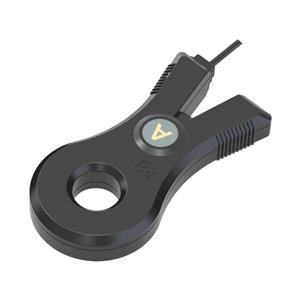
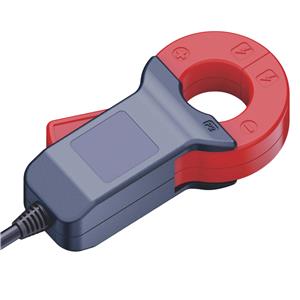
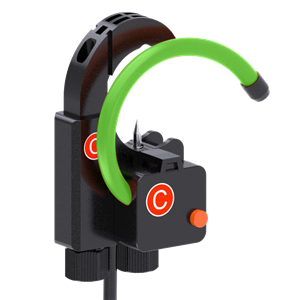
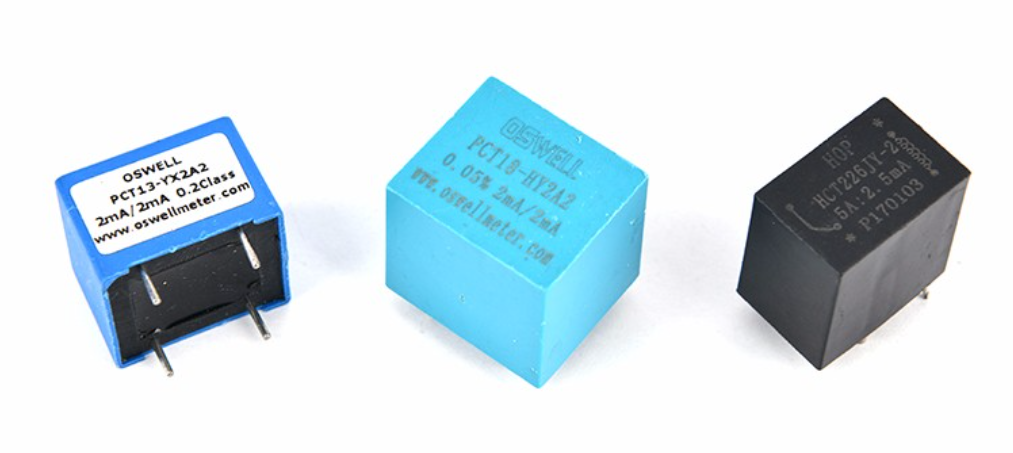
The large-scale integration of intermittent renewable energy sources, such as solar and wind power, presents new stability challenges for smart grids. CTs play a vital role in maintaining grid stability by providing accurate, real-time data on power injection from these distributed sources. Bidirectional energy flow is a key feature of modern grids with solar panels and electric vehicles. CTs must accurately measure current flowing in both directions to ensure correct billing, prevent reverse power flow issues, and enable advanced applications like Vehicle-to-Grid (V2G). Specialized CTs, such as Split-Core CTs and Rogowski coils offered by Oswell, are ideal for retrofitting existing infrastructure for better monitoring of distributed generation. Their high linearity and wide dynamic range ensure accurate measurement even under highly variable generation conditions. This precise monitoring is crucial for grid operators to balance supply and demand dynamically, manage voltage levels, and ensure the safe and stable operation of the grid amidst the variability of renewables.
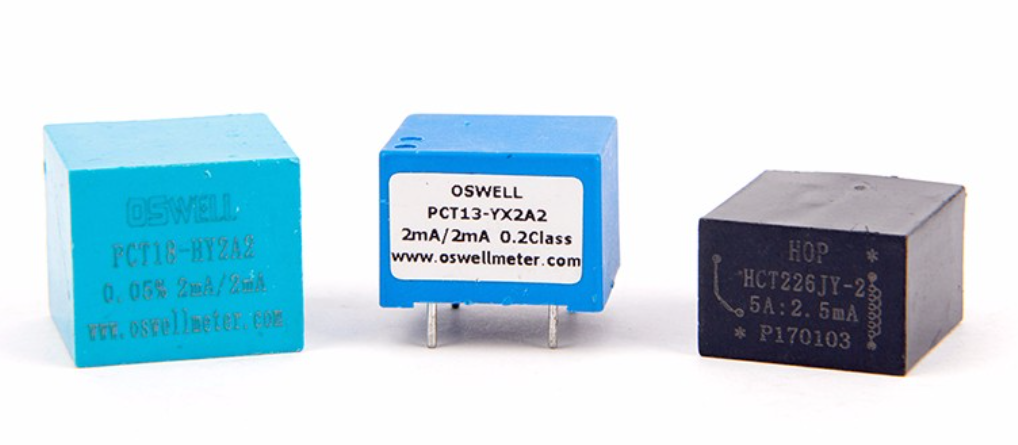
Current Transformers are indispensable safety guardians in smart grids, functioning on multiple levels. They provide the foundational data for rapid fault protection, enable intelligent monitoring and predictive maintenance to prevent failures, and are crucial for managing the stability challenges introduced by renewable energy. The reliability, accuracy, and advanced features of CTs from established manufacturers like Oswell are therefore not just a matter of measurement quality but a cornerstone of building a safer, more resilient, and intelligent electrical infrastructure for the future.