How Oswell’s AC-DC Charging Modules Achieve 95%+ Efficiency
How Oswell's AC-DC Charging Modules Achieve 95%+ Efficiency
Advanced Power Topology and Semiconductor Technology
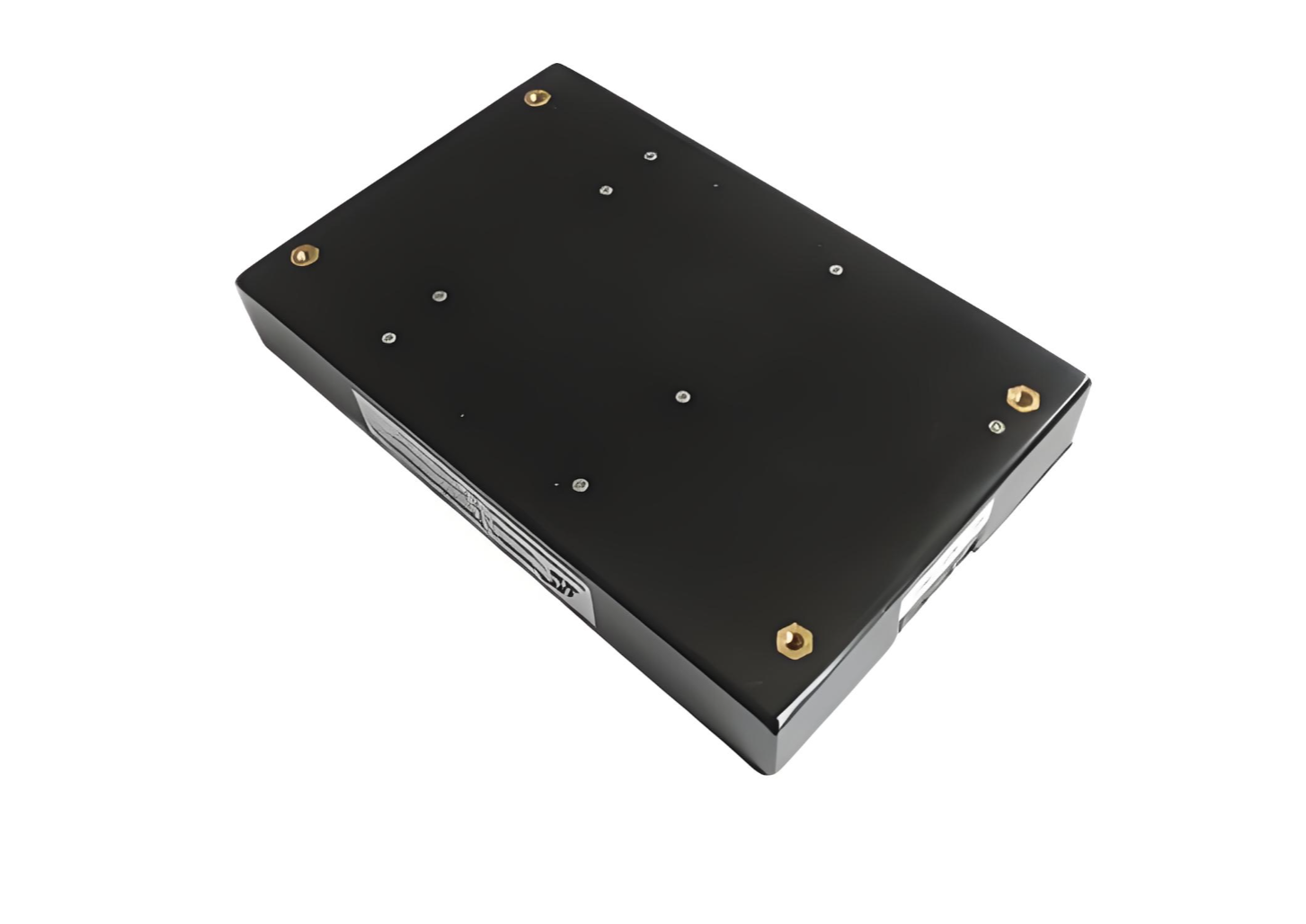
Oswell's AC-DC charging modules achieve exceptional efficiency through sophisticated power conversion architectures and cutting-edge semiconductor selection. The company employs dual-active-bridge (DAB) converters with phase-shift control technology, which minimizes switching losses and enables soft-switching operation across wide load ranges. This topology, combined with gallium nitride (GaN) or silicon carbide (SiC) power devices, reduces conduction losses and allows higher switching frequencies-up to 500kHz-resulting in smaller magnetic components and reduced core losses. The intelligent control system dynamically adjusts switching parameters based on real-time load conditions, maintaining optimal efficiency whether at 20% or 100% load. Furthermore, Oswell incorporates synchronous rectification in the output stage, replacing conventional diodes with MOSFETs to minimize forward voltage drop during rectification. This comprehensive approach to power conversion efficiency is fundamental to achieving the consistent 95%+ efficiency rating across the entire operating range, from light loads to full capacity.
Thermal Management and Component Optimization
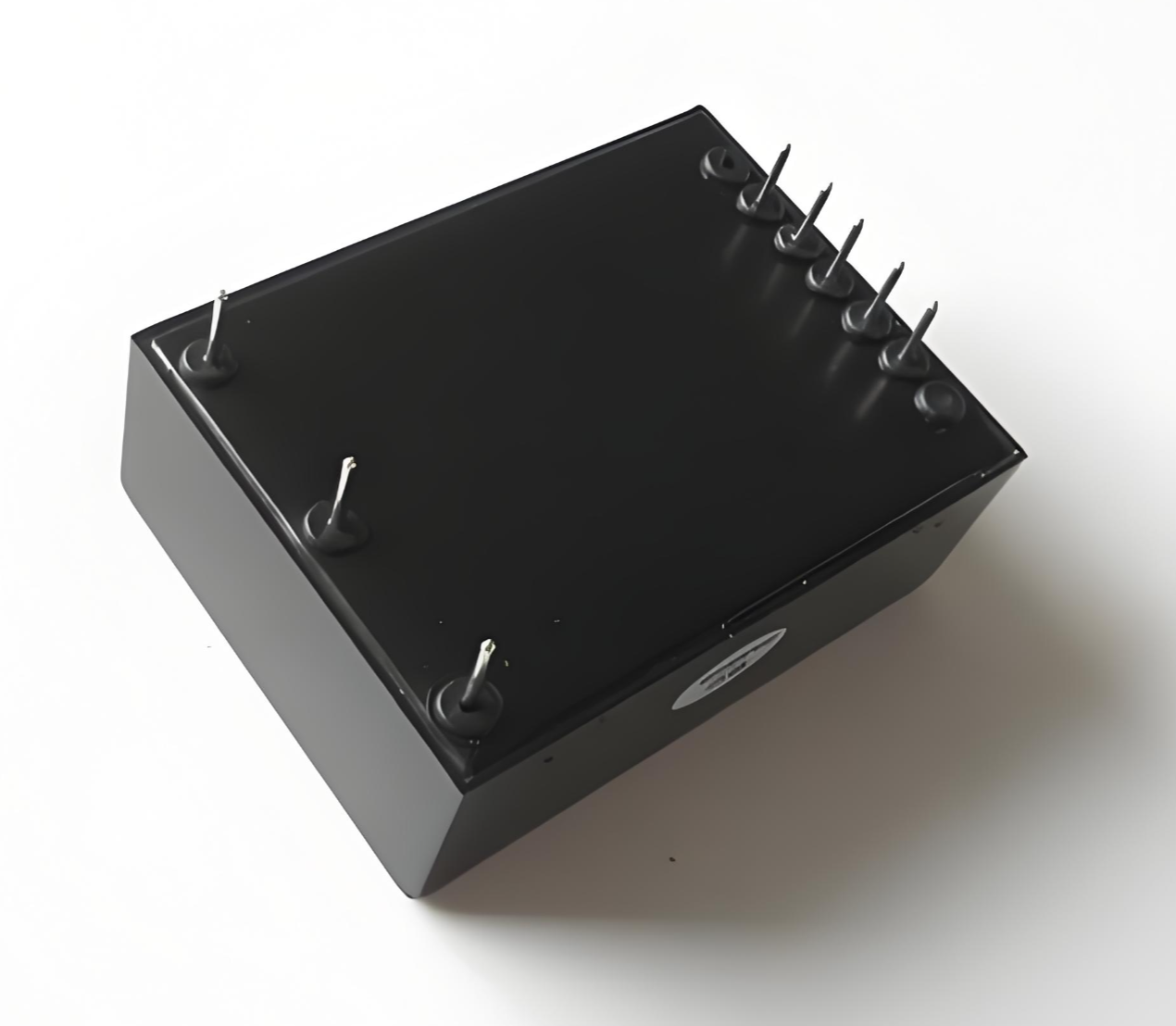
Efficient thermal design is crucial for maintaining high efficiency in Oswell's charging modules. The modules feature an independent air duct design with intelligent fan speed control, where cooling airflow is precisely directed to hotspots like power semiconductors and magnetics. High thermal conductivity materials-thermal pads with 5W/mK rating and ceramic-filled epoxy encapsulation-ensure effective heat transfer from critical components to the heatsink. Oswell uses custom-designed planar magnetics with low-loss ferrite cores, reducing eddy current losses by 30% compared to conventional transformers. The PCB layout employs thick copper layers (up to 4oz) for high-current paths, minimizing I²R losses. All electrolytic capacitors are rated at 105°C with long lifespans, while film capacitors handle high ripple currents without degradation. This holistic approach to thermal and component optimization ensures that efficiency remains high even under demanding environmental conditions, contributing significantly to the overall 95%+ efficiency achievement.
Intelligent Control Algorithms and System Integration
Oswell integrates advanced digital signal processing (DSP) based control algorithms that continuously optimize efficiency throughout the charging cycle. The modules implement maximum power point tracking (MPPT) techniques that adjust operating parameters in real-time to extract maximum efficiency from the input power source. An adaptive dead-time control circuit minimizes shoot-through currents in switching devices, while predictive current shaping reduces harmonic distortion and improves power factor to near-unity (≥0.99). The system employs dynamic efficiency mapping, where the controller selects optimal operating points based on temperature, input voltage, and output current measurements. For multi-module systems, Oswell's current sharing technology ensures balanced load distribution with ±2% accuracy, preventing efficiency degradation from uneven loading. These intelligent control strategies, combined with robust system integration, enable the modules to maintain peak efficiency across varying grid conditions and battery states, consistently delivering the promised 95%+ efficiency in real-world scenarios.
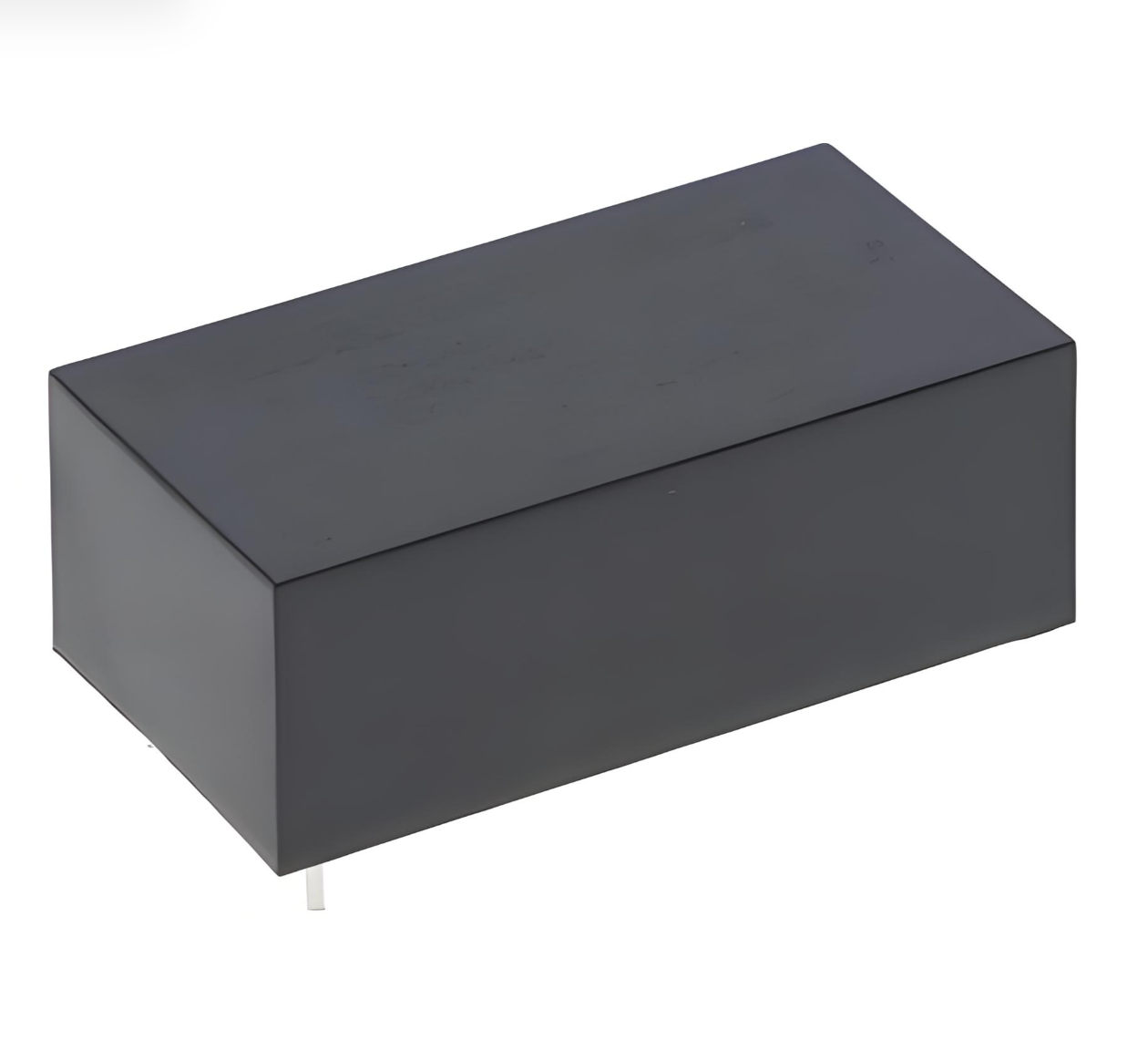
Oswell's achievement of 95%+ efficiency in AC-DC charging modules stems from a holistic engineering approach that combines advanced power topology, optimized thermal management, and intelligent control algorithms. This comprehensive methodology ensures optimal performance across all operating conditions, reducing energy waste and operating costs while enhancing system reliability. As electric vehicle charging infrastructure evolves, such high-efficiency solutions become increasingly vital for sustainable energy management.