IoT-Enabled Meters and Transformers
IoT-Enabled Meters and Transformers
Smart Grid Integration and Real-Time Data Acquisition
IoT-enabled meters and transformers are fundamentally transforming energy infrastructure by providing unprecedented levels of data intelligence and system interoperability. These advanced devices incorporate embedded communication modules that support various IoT protocols including LoRaWAN, NB-IoT, and 4G/5G connectivity, enabling seamless integration with smart grid ecosystems. The real-time data acquisition capabilities allow utilities to monitor energy consumption patterns, voltage levels, and load conditions with granular temporal resolution-down to minute-level intervals. This continuous stream of operational intelligence facilitates predictive maintenance by detecting anomalies in transformer performance, such as insulation degradation or abnormal temperature rises, before they escalate into critical failures. The bidirectional communication capability enables remote configuration and firmware updates, significantly reducing the need for physical interventions and field service visits. This connectivity framework forms the backbone of modern energy management systems, supporting advanced applications like dynamic pricing, demand response programs, and distributed energy resource integration.
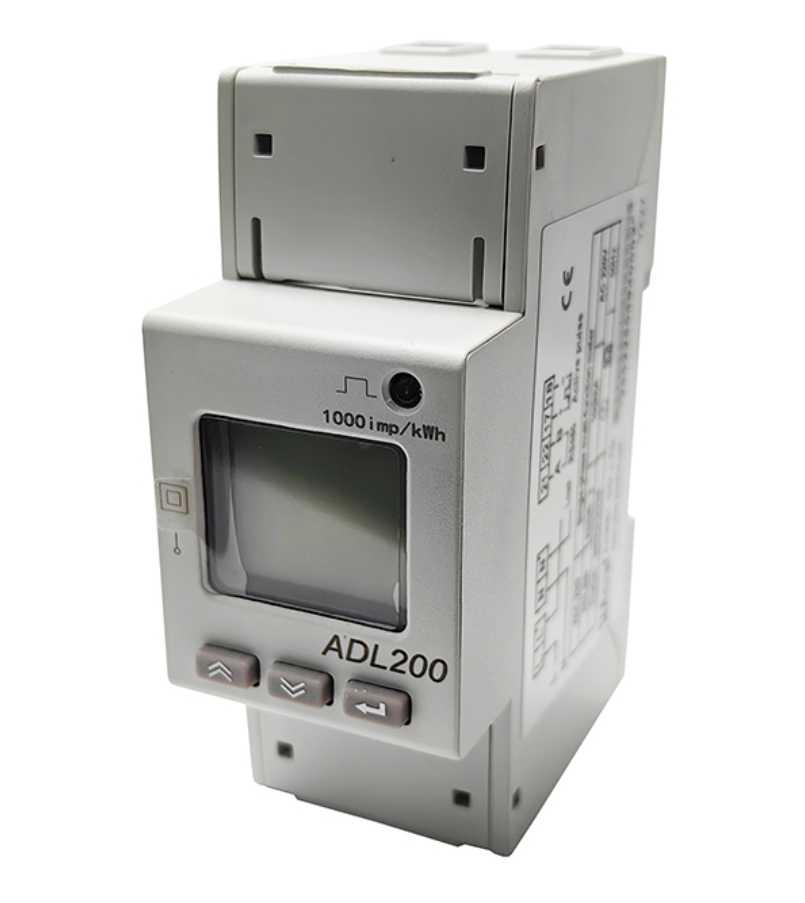
Advanced Monitoring and Predictive Maintenance Capabilities
The integration of IoT technology elevates the functionality of meters and transformers from simple measurement devices to intelligent network nodes with sophisticated analytical capabilities. Modern IoT-enabled transformers are equipped with multiple sensors that continuously monitor key parameters including temperature, humidity, vibration, and partial discharge activity. This sensor data is processed locally using edge computing algorithms to identify patterns indicative of potential failures, such as incipient insulation breakdown or core saturation. The meters simultaneously track power quality metrics including harmonic distortion, voltage sags, and frequency variations, providing comprehensive insight into system health. This proactive monitoring approach enables maintenance to be scheduled based on actual equipment condition rather than fixed time intervals, optimizing resource allocation and extending asset lifespan. The early detection of developing faults prevents catastrophic failures that could lead to extended outages and expensive repairs, ultimately enhancing system reliability and reducing total cost of ownership for utility operators.
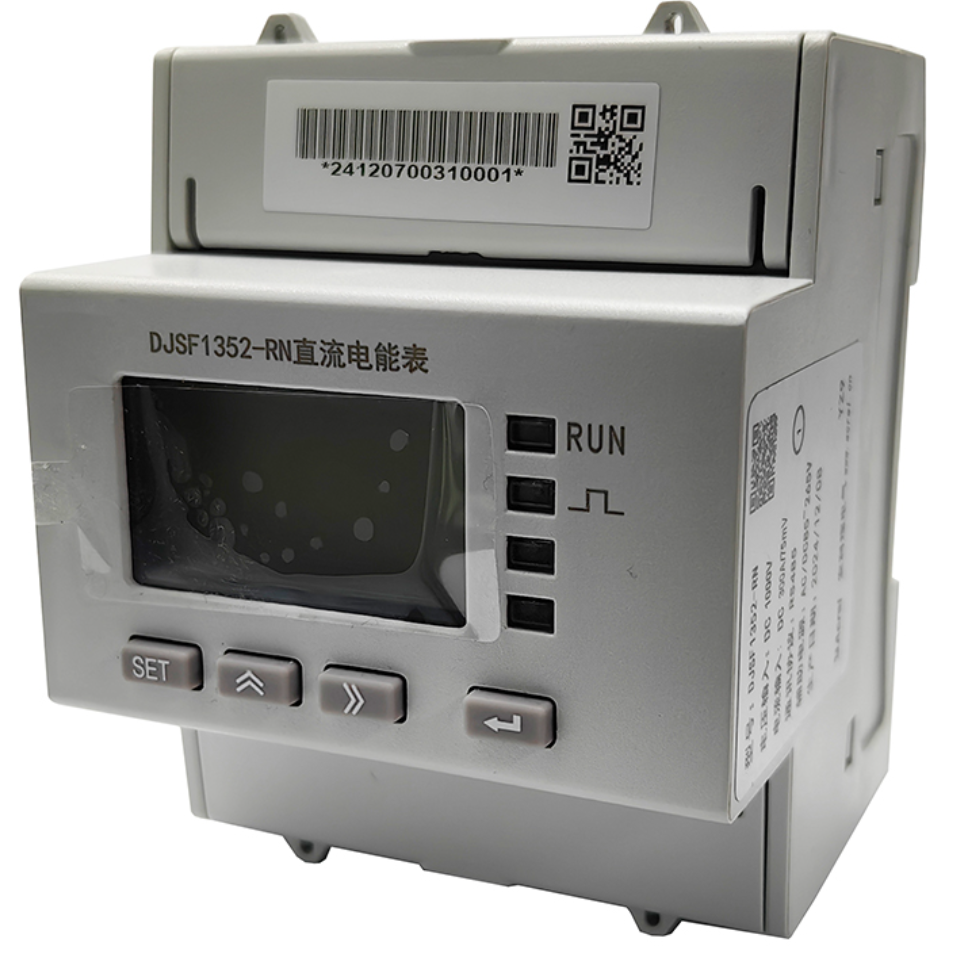
Energy Efficiency Optimization and Demand-Side Management
IoT-enabled energy devices play a crucial role in optimizing energy efficiency and enabling effective demand-side management strategies. The detailed energy consumption data collected by smart meters allows consumers and utilities to identify wasteful patterns and implement targeted conservation measures. Transformers with IoT capabilities can dynamically adjust their operation based on real-time load conditions, optimizing efficiency across varying demand scenarios. During peak demand periods, the system can automatically implement load shedding strategies for non-critical applications, reducing strain on the grid while maintaining essential services. The integration of renewable energy sources is greatly enhanced through precise monitoring of bidirectional power flows and automated control of energy storage systems. For commercial and industrial users, these systems provide detailed sub-metering data that enables department-level energy accountability and identifies opportunities for operational improvements. The aggregation of data from numerous endpoints creates valuable insights for long-term infrastructure planning and energy policy development, supporting the transition toward more sustainable and resilient energy systems.
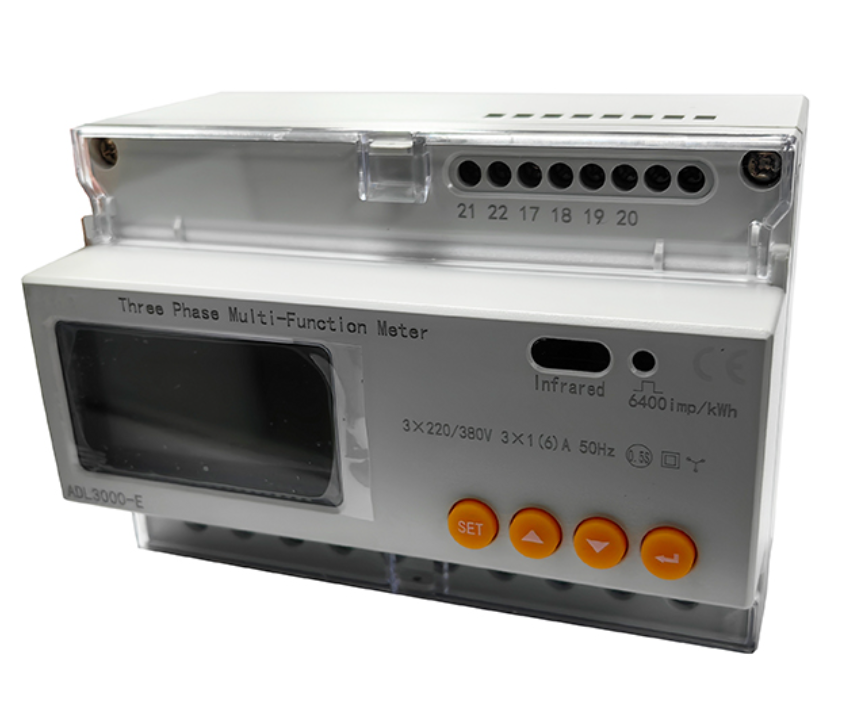
The convergence of IoT technology with traditional meters and transformers represents a paradigm shift in energy management, enabling unprecedented levels of visibility, control, and efficiency. These intelligent devices form the foundation of smart grid infrastructure, supporting more resilient, sustainable, and cost-effective energy systems. As technology continues to evolve, IoT-enabled energy equipment will play an increasingly vital role in managing the complex energy challenges of the future.