Split-Core CTs vs. Clamp-On CTs
Split-Core CTs vs. Clamp-On CTs
Understanding Split-Core Current Transformers: Design and Applications
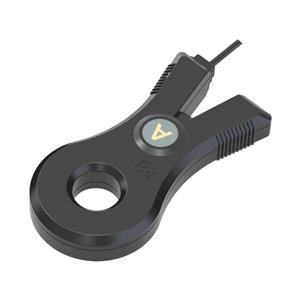
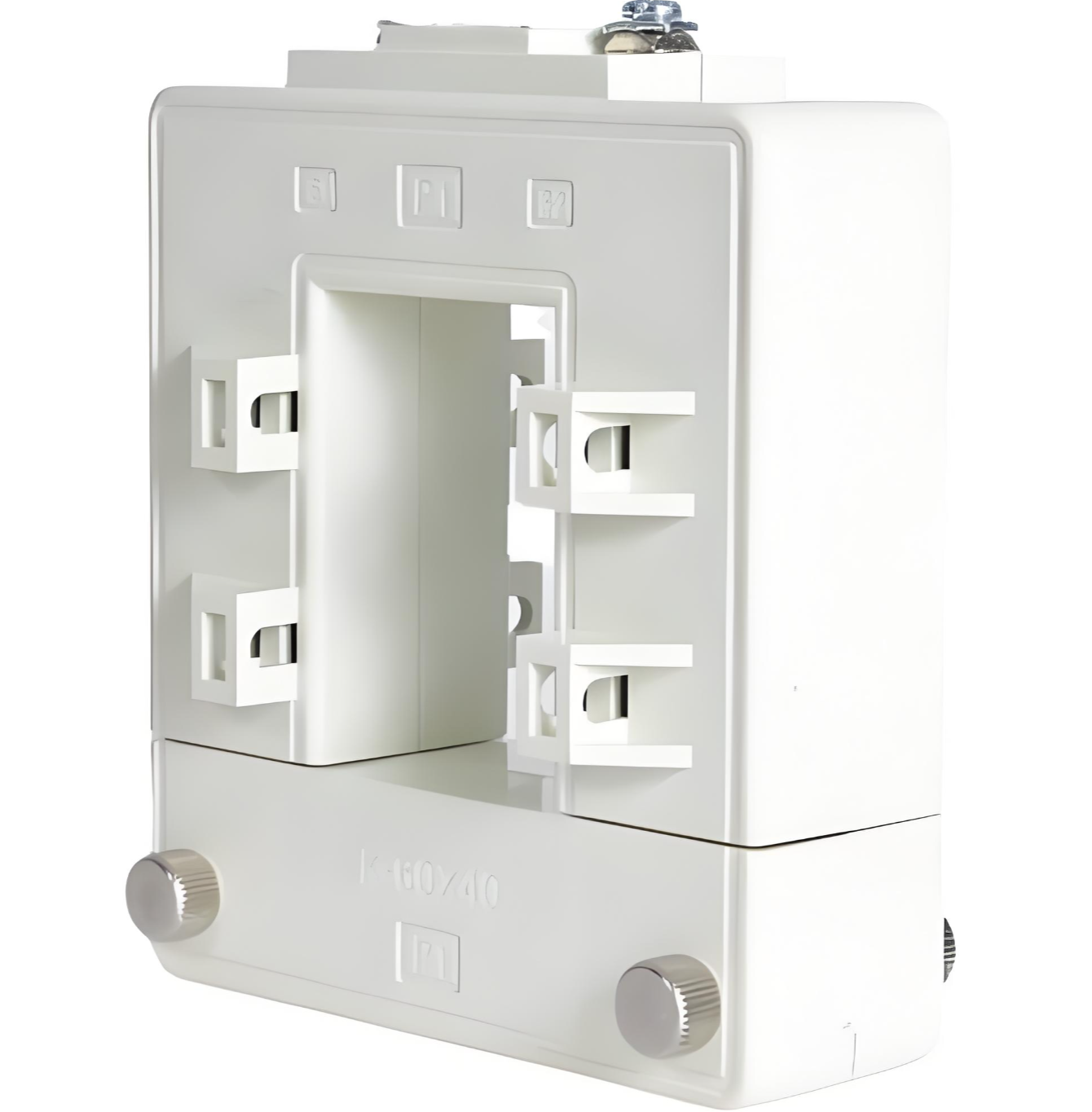
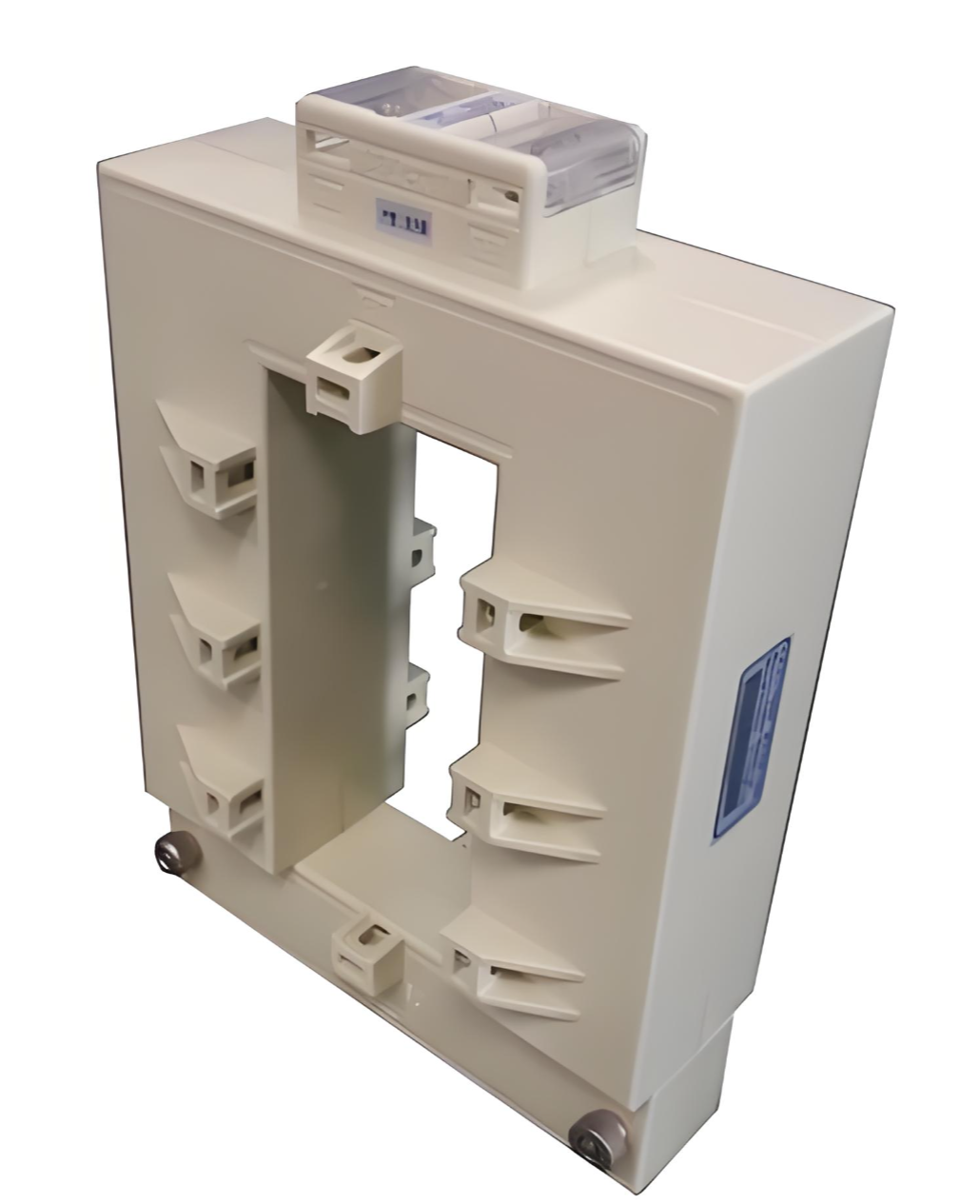
Split-Core Current Transformers (CTs) feature a unique design where the core is divided into two separate parts, hinged or clamped together. This allows the transformer to be easily installed around an existing conductor without the need to disconnect the circuit. The core is typically made of high-grade silicon steel, ensuring minimal magnetic losses and high measurement accuracy. Once clamped shut, the core forms a complete magnetic path, enabling precise current transformation. Split-core CTs are ideal for permanent installations where retrofitting is necessary, such as in energy management systems, sub-metering applications, and panel building. They offer a balance between convenience and accuracy, providing reliable performance for continuous monitoring tasks. Oswell's split-core CTs, for example, are engineered with precision machining to ensure perfect core alignment when closed, maintaining high accuracy even in demanding environments. Their robust construction often includes epoxy resin encapsulation, enhancing durability and resistance to environmental factors like humidity and dust.
Exploring Clamp-On Current Transformers: Flexibility and Usage Scenarios
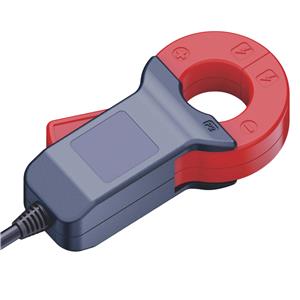
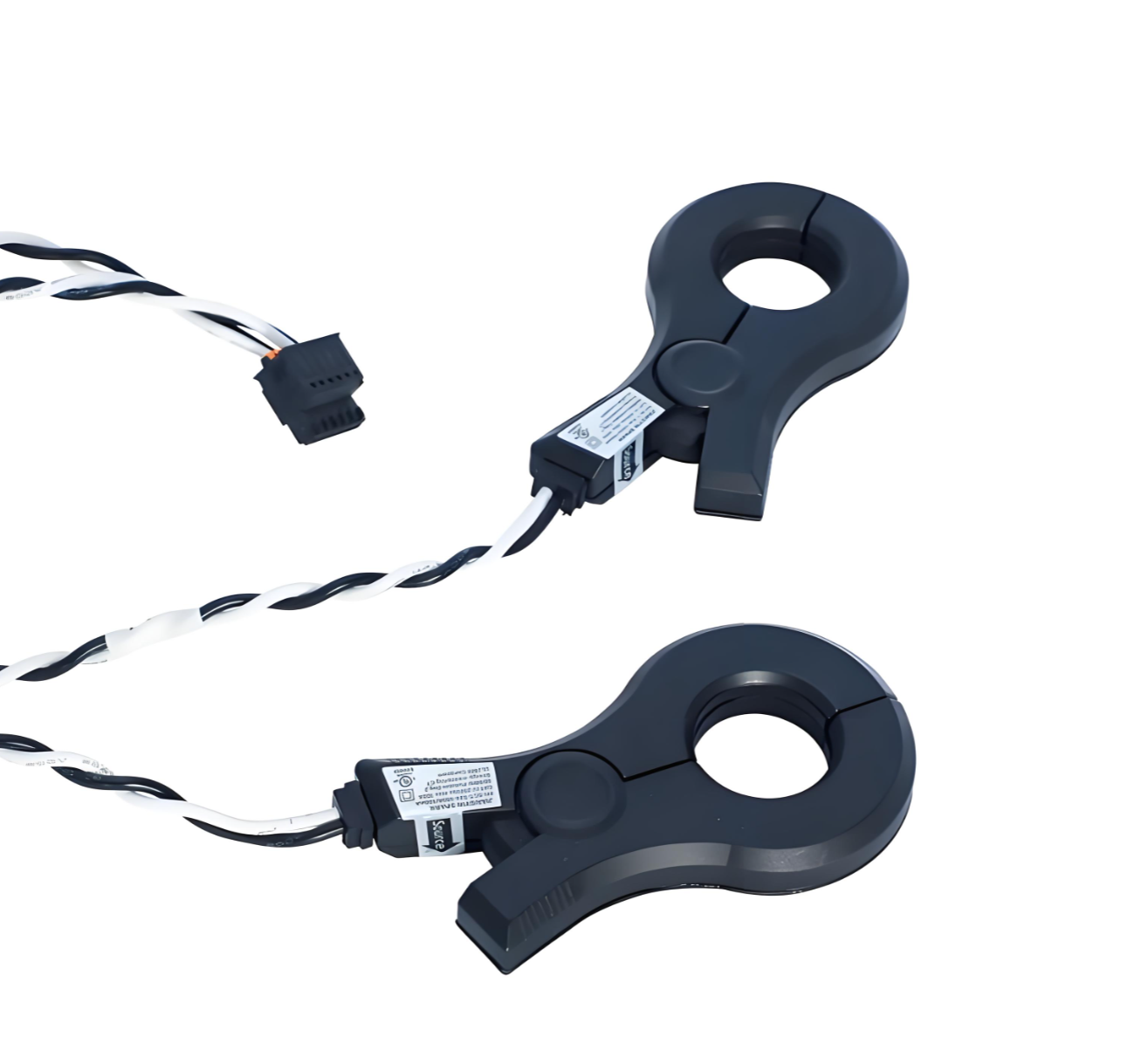
Clamp-On Current Transformers, often referred to as clamp meters or portable CTs, are designed primarily for temporary measurements and testing purposes. They incorporate a spring-loaded mechanism that allows the jaws to be opened and closed with one hand, facilitating quick and easy attachment to a conductor. The core is typically constructed from ferrite or similar materials optimized for a wide frequency range. While extremely convenient for diagnostic work, troubleshooting, and periodic inspections, clamp-on CTs generally offer slightly lower accuracy compared to their split-core counterparts due to potential air gaps in the magnetic circuit when clamped. They are the tool of choice for electricians and technicians needing to measure current flow without interrupting operations. Their portability makes them indispensable for field service, HVAC maintenance, and industrial machinery checks. Modern clamp-on CTs from manufacturers like Oswell may include digital outputs or wireless connectivity, integrating seamlessly with data loggers and power quality analyzers for advanced diagnostics.
Key Differences and How to Choose the Right CT for Your Project
The choice between split-core and clamp-on CTs hinges on the specific application requirements. Split-core CTs are superior for permanent, fixed installations where long-term accuracy and stability are paramount. They provide a more reliable magnetic circuit when properly installed, leading to higher measurement precision suitable for billing-grade metering or continuous power monitoring. In contrast, clamp-on CTs excel in versatility and portability for temporary measurements, maintenance, and troubleshooting across multiple locations. However, they may not be suitable for revenue metering due to potential accuracy drift. Key selection criteria include: required accuracy class (e.g., Class 0.5 for split-core vs. Class 1-3 for clamp-on), installation environment (fixed panel vs. field use), need for portability, and budget considerations. For instance, in a factory energy audit, a technician might use a clamp-on CT for initial circuit checks but install split-core CTs for permanent submetering on critical loads. Oswell offers both types, ensuring a solution for every need, backed by rigorous testing and international standards compliance.
Both split-core and clamp-on current transformers serve vital but distinct roles in electrical measurement. Split-core CTs are the go-to solution for accurate, permanent monitoring installations, while clamp-on CTs offer unmatched convenience for temporary diagnostic work. Understanding their fundamental differences in design, accuracy, and application scenarios enables engineers and technicians to select the optimal tool for their specific needs. Oswell’s expertise in manufacturing both types ensures that professionals have access to reliable, high-quality CTs tailored for any electrical measurement challenge.