Top 5 Features to Look for in a Current Transformer
Top 5 Features to Look for in a Current Transformer
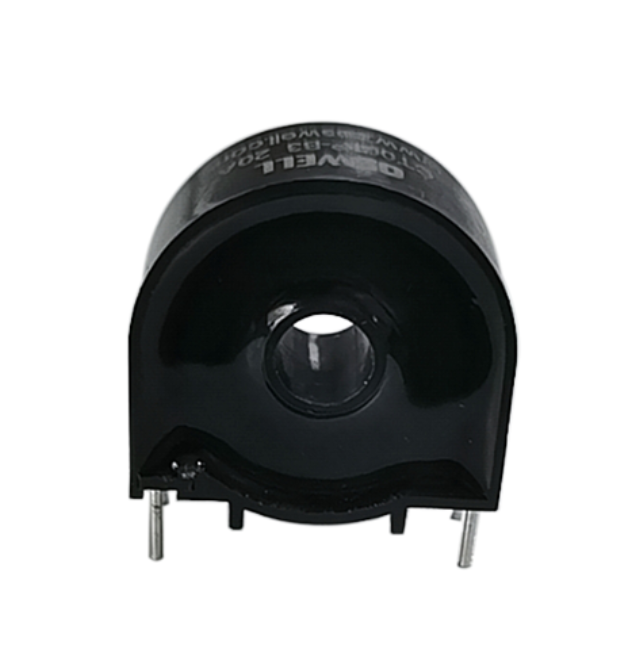
Accuracy Class and Measurement Precision
The accuracy class is arguably the most critical feature when selecting a current transformer, as it directly impacts the reliability of energy measurement and billing systems. Current transformers are classified according to international standards such as IEC 61869, with common accuracy classes including 0.1, 0.2, 0.5, and 1.0 for metering applications. Class 0.2 transformers offer exceptional precision with just ±0.2% error margin, making them ideal for revenue-grade metering where financial accuracy is paramount. For protection applications, classes 5P and 10P ensure reliable operation during fault conditions. The accuracy must be maintained across the entire operating range, from as low as 5% of rated current up to 120-200% of rated current, depending on the application. Factors influencing accuracy include core material quality, winding precision, and temperature stability. High-quality transformers like those from Oswell maintain their accuracy class even under varying load conditions and temperature fluctuations, ensuring consistent performance throughout their operational lifespan.
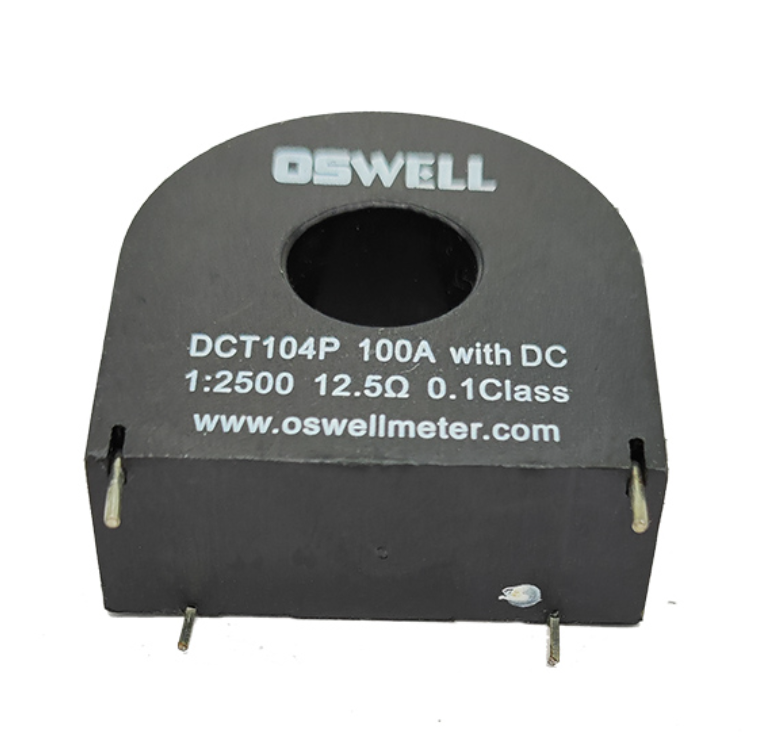
Rated Parameters and Operational Range
Understanding the rated parameters ensures the current transformer matches specific application requirements. The primary rated current should correspond to the system's maximum continuous operating current, with common values ranging from 5A to 5000A. The secondary rated current is typically standardized at 1A or 5A to match measuring instruments. The burden capacity, measured in VA, indicates the maximum load the transformer can drive while maintaining accuracy - common values range from 2.5VA to 30VA. The instrument security factor (FS), typically 5 or 10, protects connected devices during fault conditions. The rated short-time thermal current (Ith) defines the transformer's ability to withstand high fault currents for short durations, usually 1 second. For example, a transformer rated 100/5A with 15VA burden and FS=5 can accurately measure up to 100A primary current while safely limiting secondary current to 25A during faults. Proper selection of these parameters ensures optimal performance and prevents measurement errors or equipment damage.
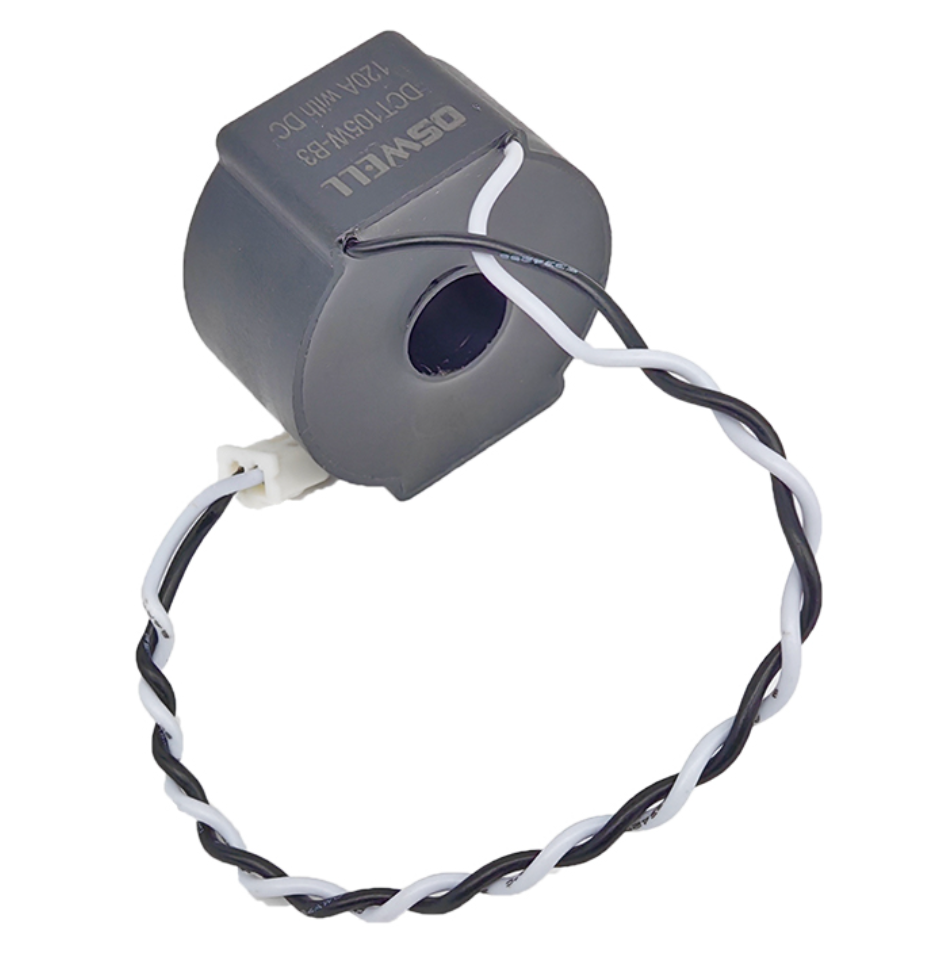
Construction Quality and Environmental Durability
The physical construction and environmental durability determine the transformer's longevity and reliability in various operating conditions. Key construction aspects include core material (high-permeability silicon steel or nanocrystalline alloys), winding technique (precision-wound copper conductors), and insulation system (epoxy resin potting or vacuum impregnation). Protection ratings are crucial, with IP54 providing dust and water splash resistance for outdoor applications, while IP67 offers complete protection against dust immersion and temporary water submersion. Temperature rating should cover the expected operating range, typically from -25°C to +70°C for standard applications, with extended ranges up to -40°C to +85°C available for harsh environments. Mechanical durability features include vibration resistance (up to 2g according to IEC 60068-2-6) and shock resistance (up to 100g according to IEC 60068-2-27). Quality manufacturers like Oswell employ automated production processes and rigorous testing to ensure consistent construction quality and long-term reliability under demanding conditions.
Safety Certifications and Compliance Standards
Safety certifications and compliance with international standards are non-negotiable features that ensure user safety and legal compliance. Essential certifications include CE marking for European market compliance, UL certification for North American markets, and RoHS compliance for environmental safety. Key international standards include IEC 61869 for instrument transformers, IEC 60044 for metering applications, and IEEE C57.13 for North American requirements. The transformer should have adequate insulation levels, typically 3kV or 6kV basic insulation level (BIL), and clear creepage distances according to pollution degree requirements. Flame-retardant materials (UL94 V-0 rated) prevent fire hazards, while double insulation or reinforced insulation provides additional safety margins. Regular testing and certification renewal ensure ongoing compliance, with reputable manufacturers maintaining comprehensive quality management systems like ISO 9001 to guarantee consistent adherence to all relevant standards and regulations.
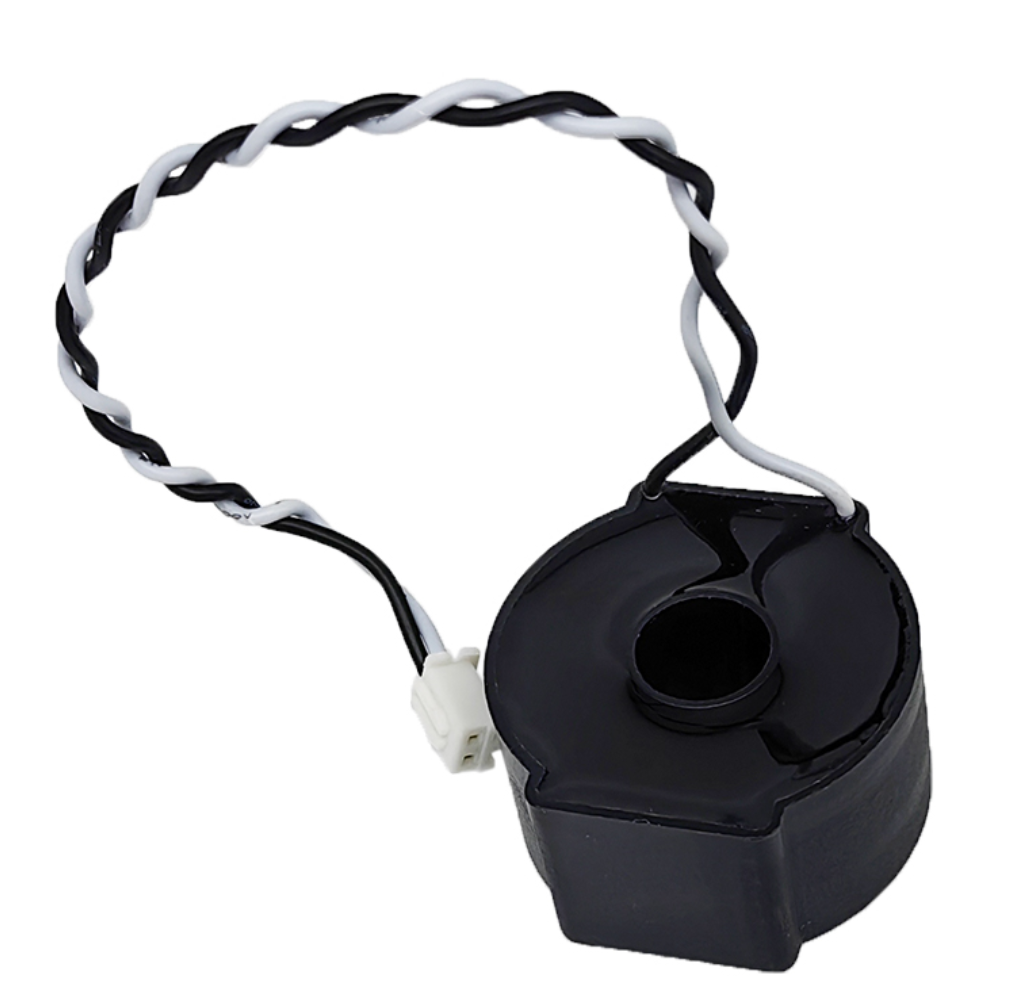
Application-Specific Design Features
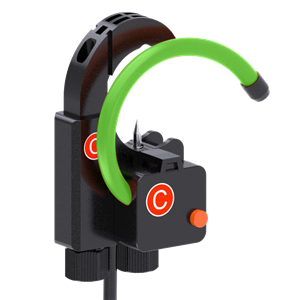
The fifth crucial consideration involves application-specific design features that optimize performance for particular use cases. For energy metering applications, look for low power loss characteristics and minimal phase angle error to ensure billing accuracy. Protection applications require transformers with high saturation factors to maintain accuracy during fault conditions. Split-core designs offer installation convenience for retrofit applications, while solid-core designs provide better accuracy for new installations. Special features may include multiple ratio taps for flexibility, summation windings for three-phase monitoring, or Rogowski coils for complex waveform measurement. Environmental adaptations include anti-condensation coatings for humid environments, UV-resistant materials for outdoor applications, and corrosion-resistant coatings for industrial settings. Manufacturers like Oswell offer customization options to meet specific application requirements, ensuring optimal performance for each unique installation scenario.
Selecting the right current transformer requires careful consideration of accuracy class, rated parameters, construction quality, safety certifications, and application-specific features. These five key aspects ensure optimal performance, reliability, and compliance for any electrical measurement application. By prioritizing these features, engineers can make informed decisions that result in accurate measurements, extended equipment lifespan, and enhanced system safety.