Type 2 vs. CCS2 Charging Cables: What Makes Oswell’s Design Stand Out?
Type 2 vs. CCS2 Charging Cables: What Makes Oswell’s Design Stand Out?
1. Technical Distinctions and Application Scenarios
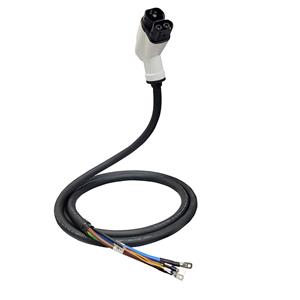
Type 2 and CCS2 charging cables represent two distinct technological pathways in EV charging infrastructure. Type 2 connectors (IEC 62196-2) specialize in AC charging, supporting single-phase (230V) and three-phase (400V) operations with current ratings from 16A to 63A. These cables typically feature seven pins for power transmission and communication, making them ideal for overnight charging at homes or workplaces. In contrast, CCS2 (Combined Charging System) builds upon the Type 2 foundation by adding two DC fast-charging pins, enabling power delivery up to 350kW. This combination allows CCS2 cables to support both AC charging (through Type 2 configuration) and DC fast charging, creating a versatile solution for public charging stations along highways and urban centers. Oswell's designs excel in both categories by implementing robust contact materials, advanced insulation systems, and precision-molded connectors that exceed standard durability requirements.
2. Engineering Innovations and Performance Advantages
Oswell's charging cable designs incorporate several engineering innovations that distinguish them from conventional offerings. The company utilizes high-purity copper conductors with optimal stranding patterns to minimize power loss while maintaining flexibility. For CCS2 cables, specially designed DC pins employ silver-plated surfaces to reduce contact resistance and prevent overheating during high-current operation (up to 400A). The cable insulation combines TPE and TPU materials that provide exceptional abrasion resistance, UV stability, and temperature tolerance (-30°C to +50°C). In Type 2 configurations, Oswell enhances safety through double-insulation techniques and shielding that exceeds EMI/EMC requirements. Both cable types feature ergonomic connector handles with integrated locking mechanisms and status indicators, improving user experience while ensuring secure connections during charging sessions.
3. Compliance and Market Adaptability
A key strength of Oswell's charging cable portfolio lies in its comprehensive compliance with international standards and adaptability to regional market requirements. Type 2 cables fully comply with IEC 62196-2 and regional variations like VDE-AR-E 2623-2-2, ensuring compatibility across European markets. CCS2 designs meet IEC 62196-3 specifications while incorporating regional safety certifications such as CE marking and specific national approvals. The company's manufacturing processes implement automated testing for critical parameters including dielectric strength (2500V AC for Type 2, additional DC testing for CCS2), contact resistance stability, and mechanical durability (exceeding 10,000 mating cycles). This rigorous approach enables Oswell to deliver cables that not only meet regulatory requirements but also demonstrate superior performance in real-world conditions, from Scandinavian winters to Mediterranean summers.

Conclusion
Oswell's charging cable solutions demonstrate how thoughtful engineering and rigorous manufacturing can create products that excel in both Type 2 and CCS2 categories. By understanding the distinct requirements of AC and DC charging scenarios, the company has developed cables that offer reliability, safety, and performance advantages across diverse applications. As EV adoption continues to accelerate globally, Oswell's commitment to quality and innovation positions its charging solutions as trusted components in the evolving electrification ecosystem.