What is a Current Transformer
What is a Current Transformer
Understanding the Basic Principles of Current Transformers
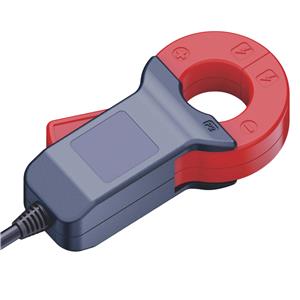
A Current Transformer (CT) is a specialized type of instrument transformer designed to step down high alternating currents (AC) in a power system to a lower, standardized, and safely measurable level. The core principle of its operation is based on electromagnetic induction. When a primary conductor carrying a high current passes through the magnetic core of the CT, it induces a proportional, reduced current in the secondary winding. This secondary current is typically standardized at 1A or 5A, allowing for safe and accurate measurement by instruments like ammeters, energy meters, and protective relays. The fundamental function of a CT is to electrically isolate the high-voltage primary circuit from the sensitive, low-voltage measuring and control equipment, ensuring both operational safety and measurement integrity. This isolation is critical for preventing damage to expensive equipment and protecting personnel from high-voltage hazards.

Key Applications and Importance in Modern Power Systems
Current transformers are indispensable components in modern electrical infrastructure, playing a vital role in multiple areas. Their primary application is in accurate energy metering for billing and monitoring purposes, where they provide the precise current signals required by electricity meters. Additionally, CTs are crucial for system protection; they feed current signals to protective relays, which can quickly detect faults like overcurrents or short circuits and trigger circuit breakers to isolate the faulty section, preventing widespread blackouts and equipment damage. In industrial settings, CTs are used for load monitoring and energy management, helping businesses optimize their power consumption. The reliability and accuracy of CTs, such as those manufactured by Oswell, directly impact the efficiency, safety, and stability of the entire power grid, from generation and transmission to distribution and end-use.

Oswell's Expertise in Current Transformer Manufacturing
Oswell leverages advanced manufacturing processes and stringent quality control to produce high-performance current transformers that meet diverse application needs. The company utilizes high-quality silicon steel cores and precision winding techniques to ensure excellent magnetic properties and minimal core losses, resulting in high measurement accuracy. For demanding environments, Oswell employs automatic epoxy resin potting technology, which enhances the transformer's resistance to moisture, dust, and vibration, ensuring long-term stability. Furthermore, Oswell's CTs are available in various types, including split-core and solid-core designs, to accommodate different installation requirements, from retrofitting existing systems to integrating into new switchgear. Adherence to international standards like IEC and ANSI, combined with certifications such as ISO 9001, underscores Oswell's commitment to delivering reliable, safe, and durable products that form the backbone of efficient power systems worldwide.
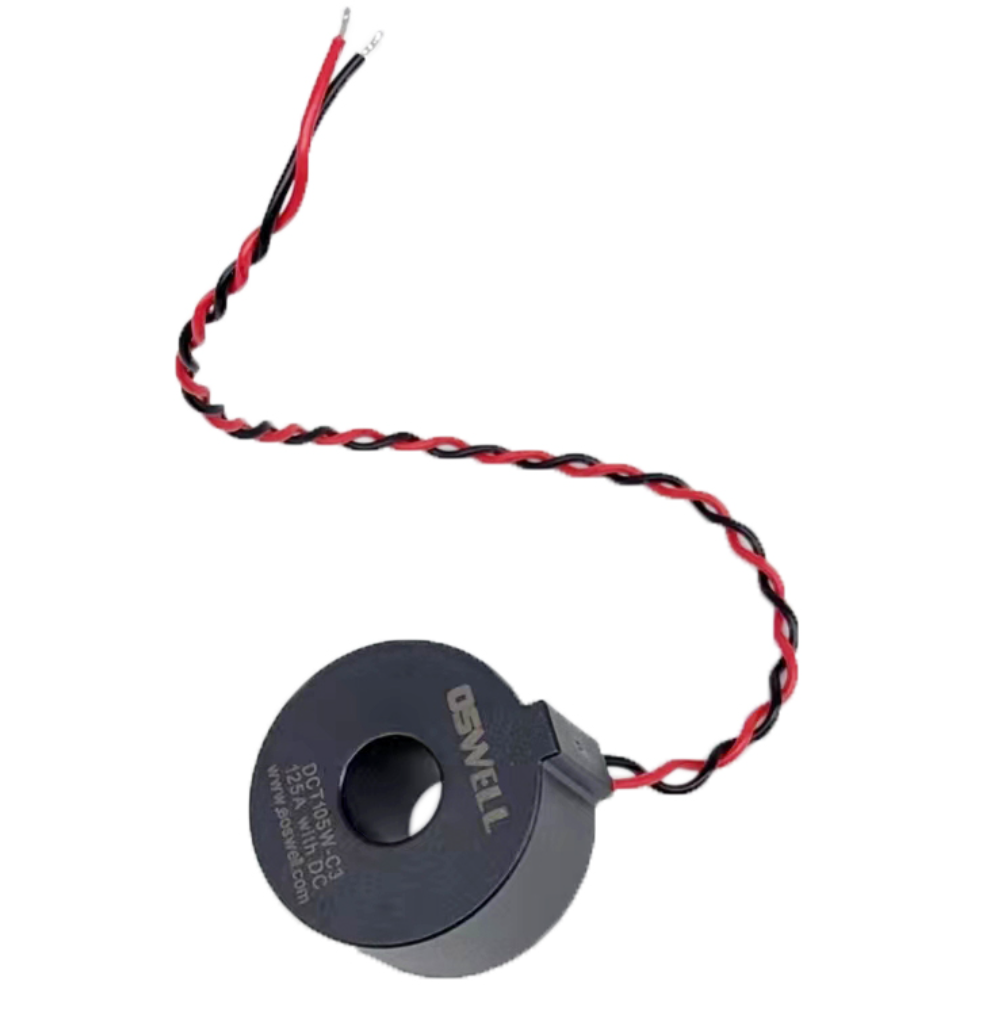
In summary, the current transformer is a fundamental component that enables the safe, accurate, and reliable operation of modern electrical networks. By stepping down high currents and providing essential isolation, CTs facilitate precise measurement, robust protection, and effective energy management. Oswell’s dedication to technological innovation and quality assurance positions it as a trusted provider of current transformers, empowering the development of smarter and more resilient power infrastructures globally.