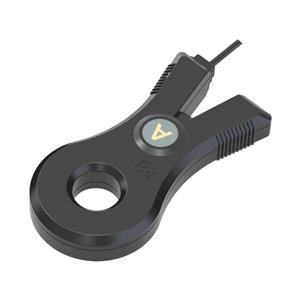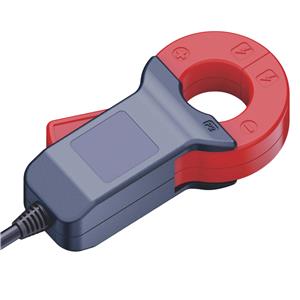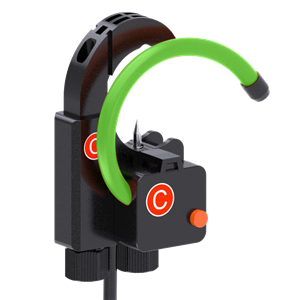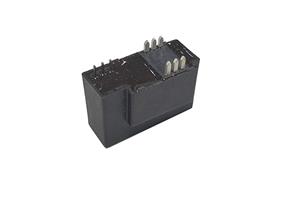
Hall effect current sensors have emerged as a groundbreaking technology in the field of electrical current measurement and monitoring. Built upon the principles of the Hall effect, these sensors provide accurate and reliable measurements of electric currents in various applications. In this article, we will explore the technical aspects of Hall effect current sensors, their working principles, benefits, and the latest advancements that have propelled their widespread adoption.
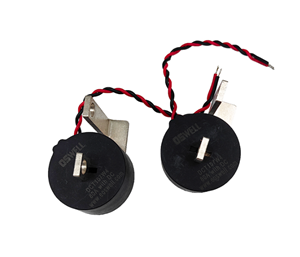
The right current sensing solution depends on signal type, isolation needs, accuracy target, installation constraints, and total lifecycle value. In metering, BMS, and power monitoring, the best answer is rarely universal. It is the option that fits the real electrical environment and reduces risk over the full operating life.
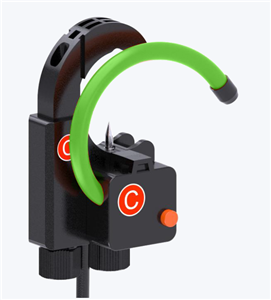
When buying a power system sensor, the cheapest part is not automatically the lowest-cost choice. Real cost comes from power loss, thermal burden, isolation design, calibration effort, drift over time, fault response, and service impact. Buyers who evaluate only unit price often optimize the wrong number. Buyers who evaluate total cost of ownership usually make the safer, more scalable, and more profitable decision.