How To Choose The Right Current Sensing Solution For Metering, BMS, And Power Monitoring
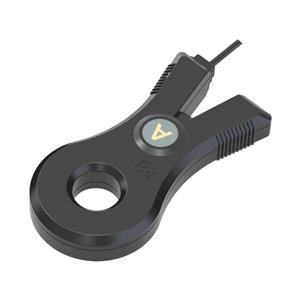
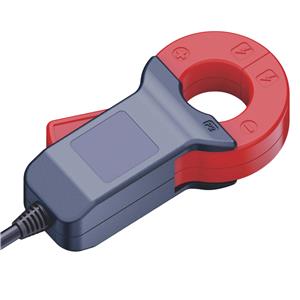
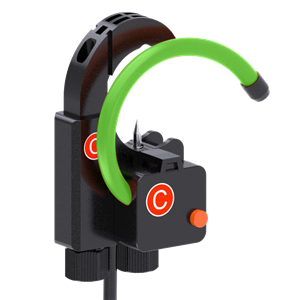
In modern electrical systems, current sensing is no longer a single-component decision. Buyers now have to choose between shunt resistors, current transformers, Hall-effect sensors, fluxgate sensors, and Rogowski coils depending on whether the application is smart metering, battery management, EV charging, or power monitoring. Each solution solves a different problem. Shunt resistors are widely used where high accuracy and low-voltage current measurement are needed. Hall-effect sensors are often chosen when galvanic isolation and non-intrusive sensing matter more. CTs remain highly effective for precision AC metering, while Rogowski coils are attractive where flexible installation and wide current range are required.
Match The Sensor To AC Or DC Reality
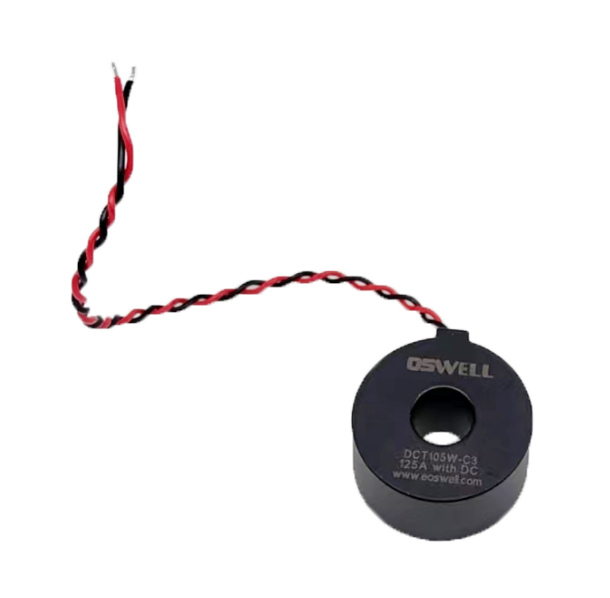
The first step is to define whether the system measures AC only, DC only, or both. CTs are strong in AC metering, but they are not the right answer for DC measurement. Hall-effect and fluxgate sensors are far more suitable where both AC and DC current must be measured with isolation. Shunt resistors are also effective for DC and bidirectional measurement, especially in BMS designs, but they add voltage drop and power loss by design. Rogowski coils are typically used for AC measurement and need the right signal conditioning to reconstruct the current waveform. Buyers should start with waveform type before thinking about price.
Balance Accuracy, Drift, And Isolation
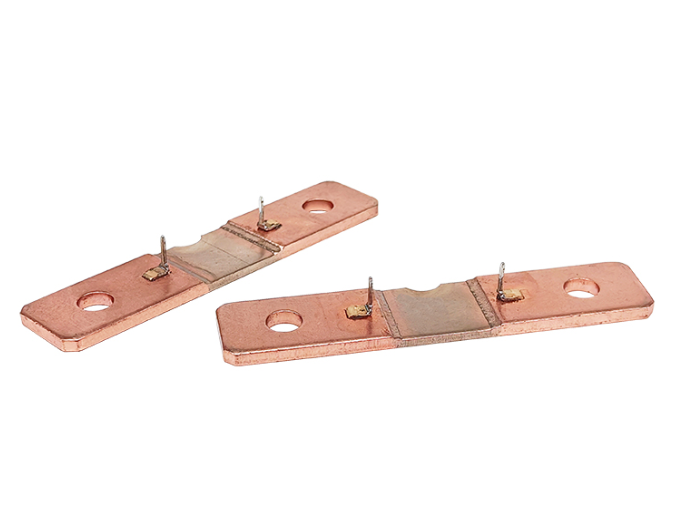
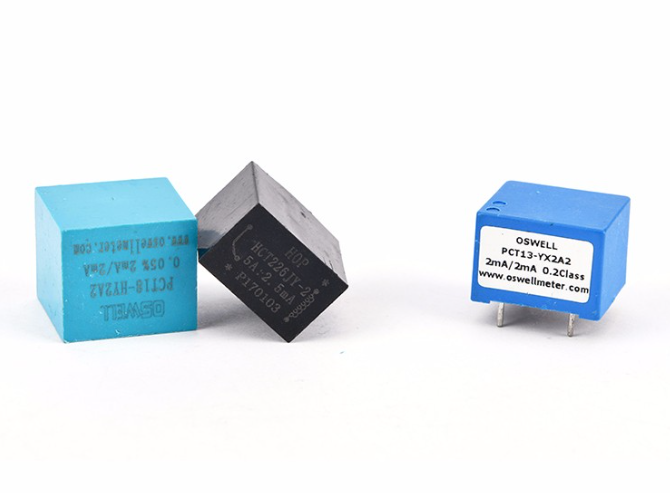
The second step is to decide what matters most: absolute accuracy, isolation, or thermal efficiency. Shunt resistors can provide very accurate measurement, but TCR, layout, and heat matter a lot. Hall sensors offer isolation and lower insertion loss than resistive sensing, but long-term drift and precision class must still be checked carefully. CTs provide galvanic isolation and strong AC linearity, but phase error and burden directly influence metering quality. Rogowski coils can be excellent for large AC currents and retrofit installs, but they are not automatically the best choice for every billing or low-current metering application.
Think In Terms Of System Lifecycle, Not Sensor Price Alone
The best current sensing solution is usually the one that reduces total engineering effort across the full system. A lower-cost shunt may increase heat and calibration effort. A magnetic sensor may reduce thermal loss and improve isolation, but add cost that is only justified in the right architecture. A CT may be ideal for energy metering, but only if burden, phase compensation, and meter input are all matched correctly. A Rogowski coil may simplify retrofit work where conventional CTs cannot fit. Buyers who choose by application architecture, not by part category alone, usually make better long-term decisions.
The right current sensing solution depends on signal type, isolation needs, accuracy target, installation constraints, and total lifecycle value. In metering, BMS, and power monitoring, the best answer is rarely universal. It is the option that fits the real electrical environment and reduces risk over the full operating life.