Technical Guides

A metering CT becomes stable in real smart meter applications when it can maintain predictable ratio behavior, good linearity, proper burden compatibility, thermal consistency, and repeatable batch quality across practical operating conditions. Stability is not only about one good sample or one short test result. It is about whether the current transformer can continue supporting reliable measurement performance in real design, real production, and real field service. When these factors are evaluated together, project teams can choose CTs that bring stronger accuracy control and lower long-term risk.

Selecting a latching relay that reduces smart meter failure risk requires more than checking a nominal current rating or product size. The right relay should provide stable contact performance, reliable actuation, sufficient switching margin, controlled thermal behavior, strong mechanical consistency, and dependable safety structure. When these factors are evaluated together under real application conditions, project teams can make stronger relay decisions, reduce hidden failure risk, and improve long-term smart meter reliability.
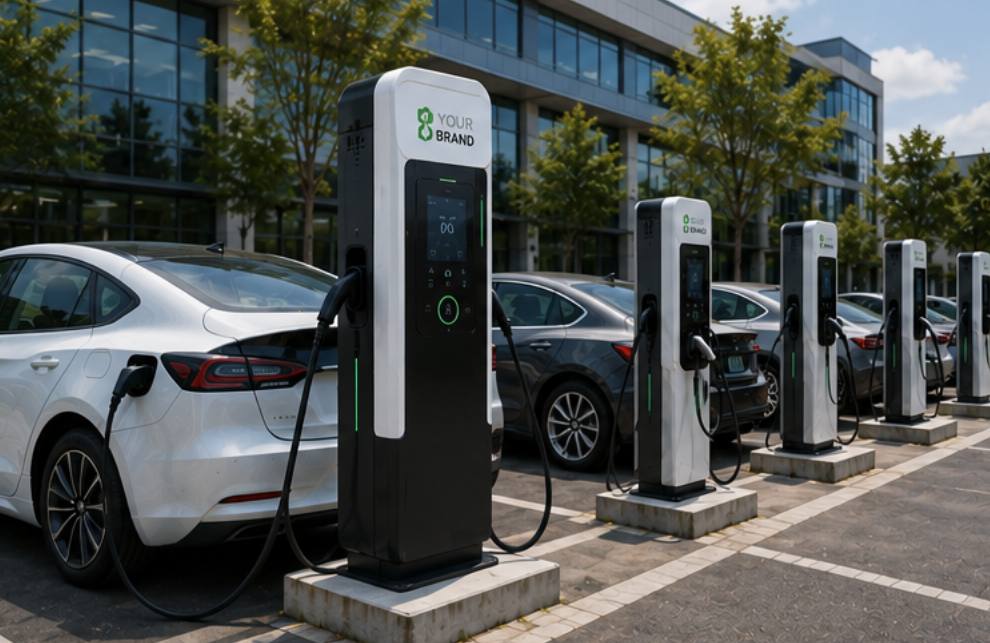
Home / Technical Guides / Pedestal EV Charging Station SupplierWhy Customization Matters When Choosing A Pedestal EV Charging Station SupplierIn pedestal EV charging projects, buyers often c
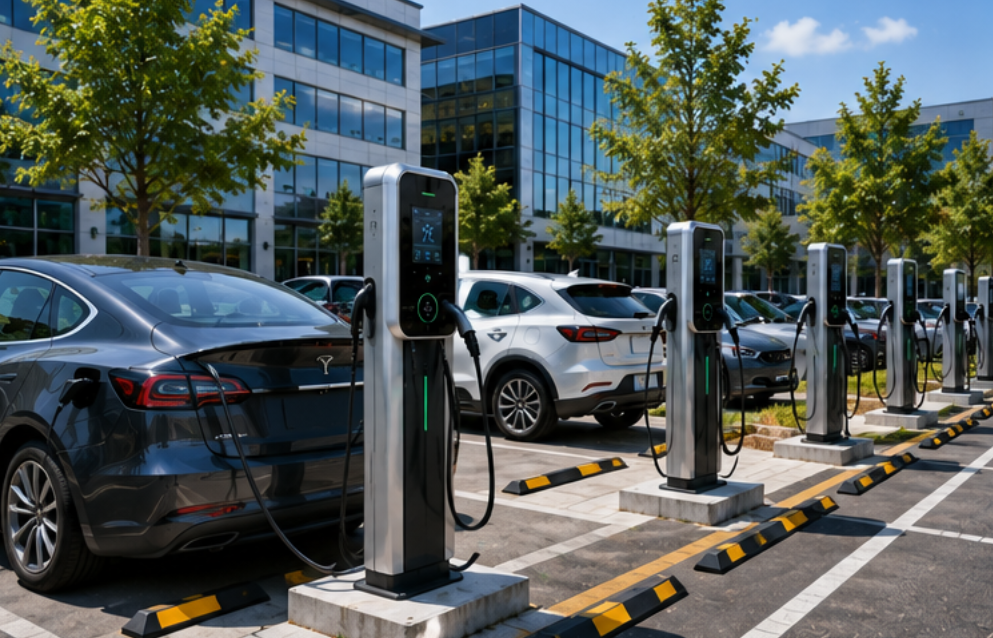
Home / Technical Guides / Pedestal EV Charging Station ApplicationsWhat Makes A Pedestal EV Charging Station Suitable For Fleets, Retail And Commercial Real EstateA pedestal EV charging stat
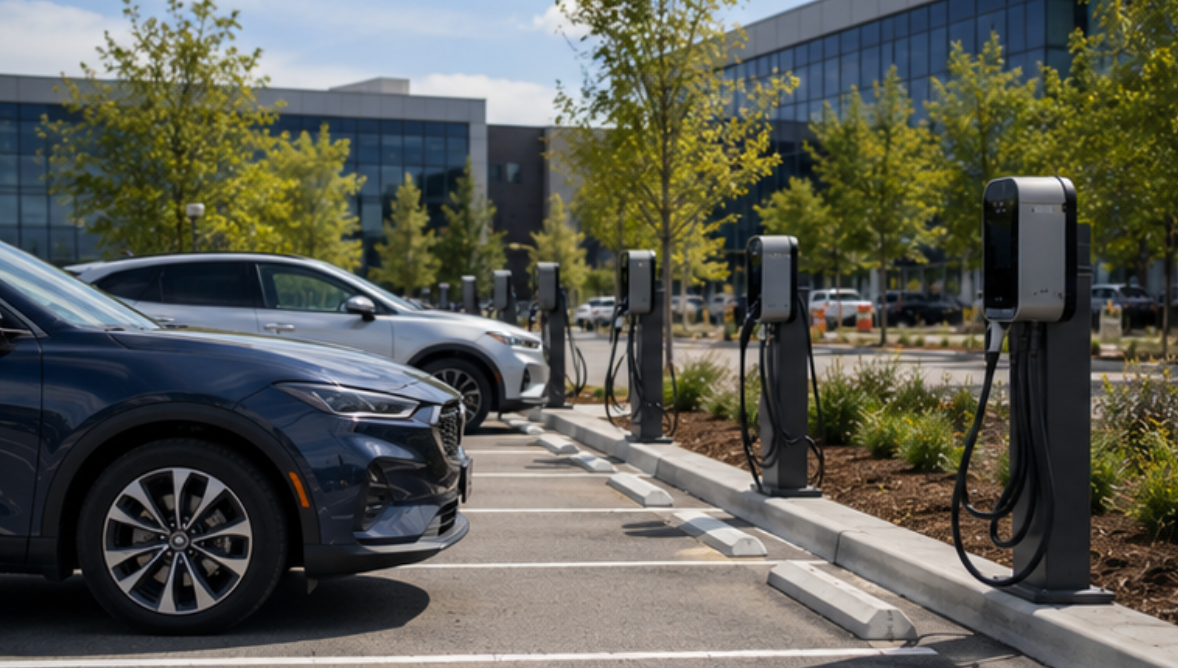
Home / Technical Guides / Pedestal EV Charger InstallationHow To Reduce Installation Problems In Pedestal EV Charging Station ProjectsIn pedestal EV charging station projects, installation p
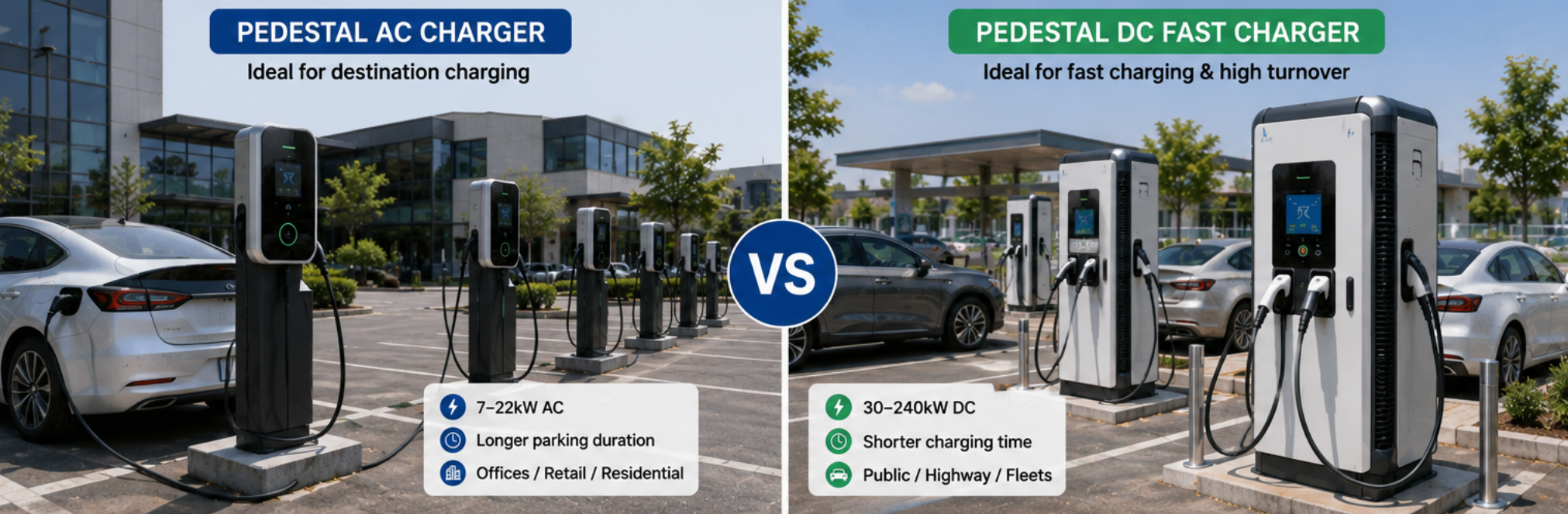
Home / Technical Guides / EV Charging Business ModelPedestal DC Fast Charger Or AC Charger: Which One Fits Your Business Model Better?Choosing between a pedestal DC fast charger and a pedest
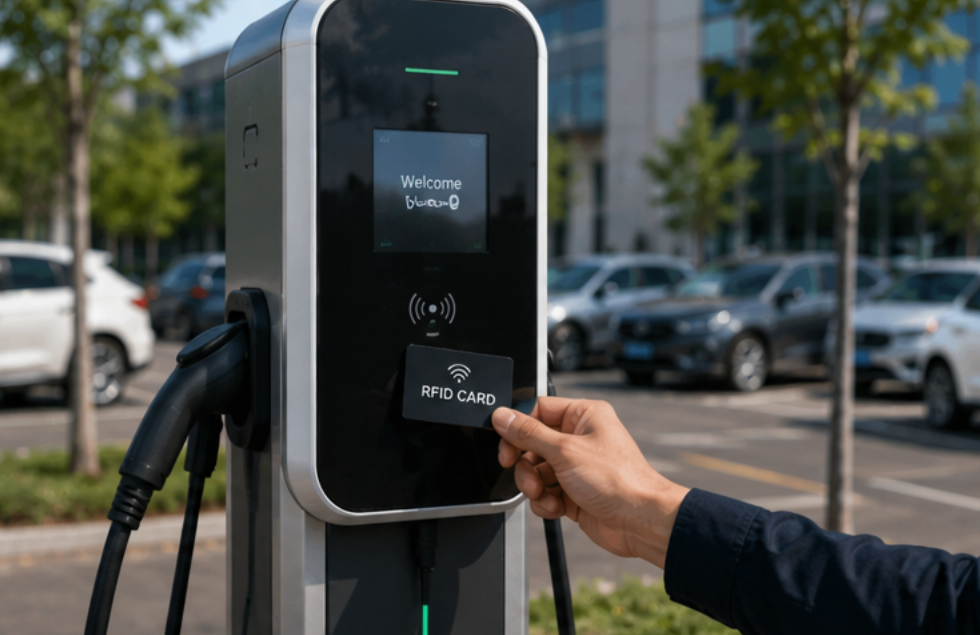
For pedestal EV charging projects, hardware alone is no longer enough. In real commercial and public charging operations, managers need to control user access, monitor charger status, track usage, support billing, and reduce unnecessary on-site management work. That is why RFID, app control, and 4G connectivity have become some of the most important functions in modern pedestal EV charging stations. These features help transform a charger from a simple power device into a manageable charging asset that is easier to operate, easier to scale, and easier to integrate into real business scenarios.
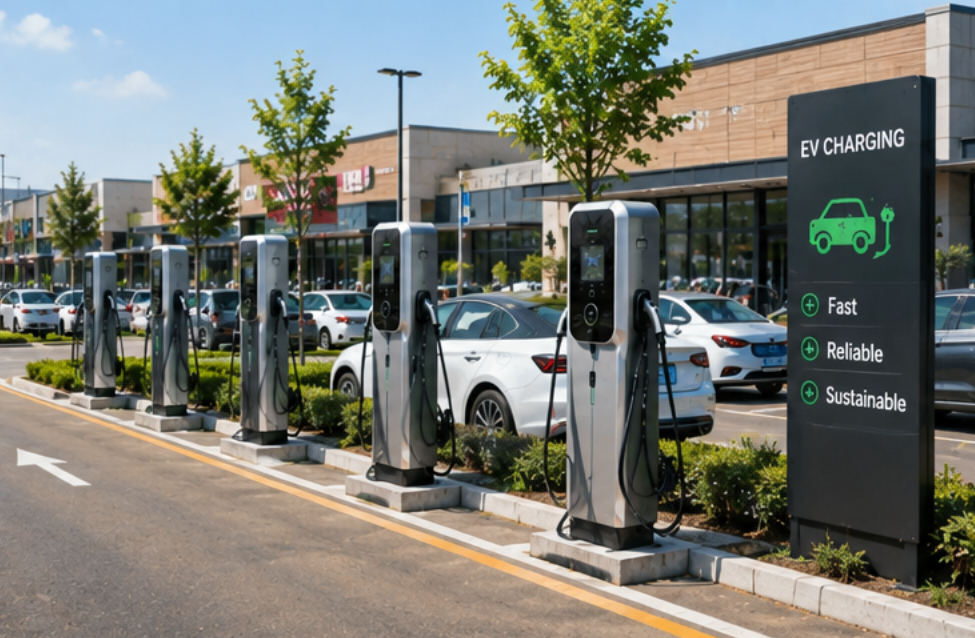
In public parking projects and outdoor charging areas, charger placement matters just as much as charging power. A charger that works well on paper may still create user inconvenience, poor visibility, awkward cable reach, or limited expansion if the installation form does not match the real site. That is why pedestal EV chargers are often the better choice for public and outdoor applications. They are easier to position where drivers actually need them, easier to integrate into open parking layouts, and easier to scale across public charging projects. This guide explains why pedestal EV chargers are better for public parking and outdoor charging areas and what site advantages make them the stronger long-term solution.
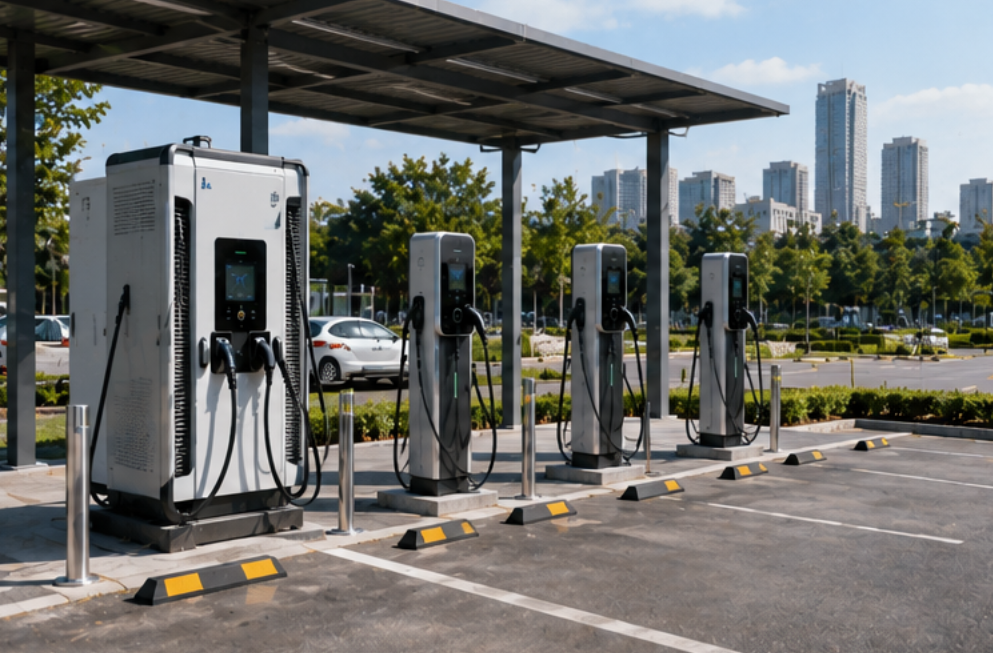
Ordering a pedestal EV charging station is not only about choosing a power level or connector standard. For commercial and public charging projects, buyers should confirm the real site layout, charging demand, installation conditions, user type, software functions, and future expansion plan before placing the order. If these points are not confirmed early, the project may later face installation changes, slower site progress, poor charging experience, or unnecessary cost. This guide explains what buyers should confirm before ordering a pedestal EV charging station and how to make a safer, more practical project decision.
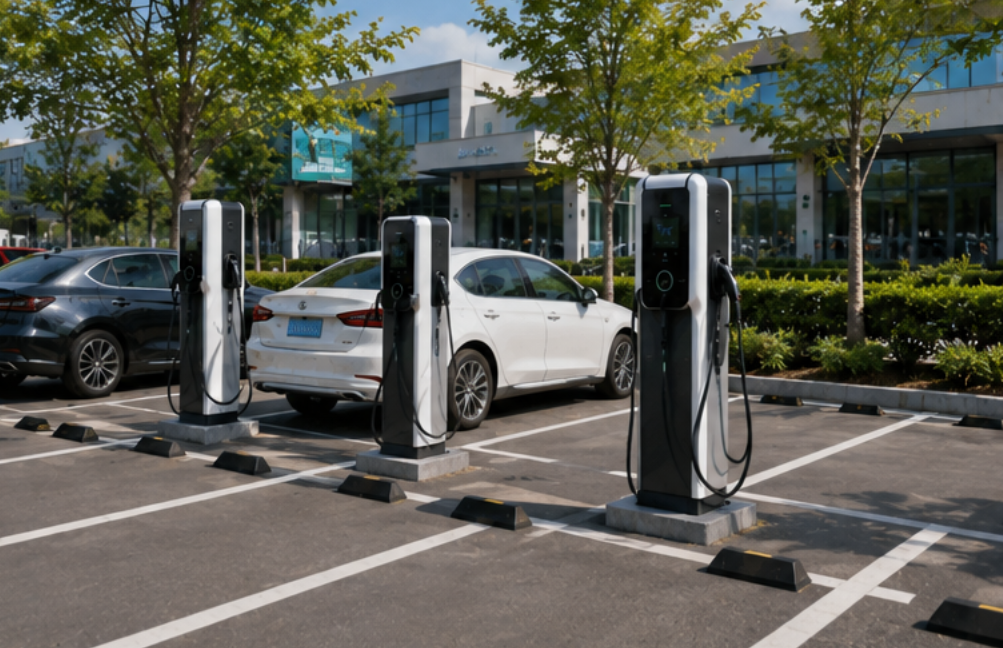
Choosing the right pedestal EV charger is not only about selecting a higher or lower power level. The real decision depends on parking time, vehicle turnover speed, site traffic, electrical capacity, business model, and the type of users the project needs to serve. A 7kW or 22kW pedestal charger may be the right choice for long-stay parking, while a 40kW or 240kW charger may be far more suitable for commercial sites that require faster charging turnover. This guide explains how to choose between 7kW, 22kW, 40kW, and 240kW pedestal EV chargers so buyers can match the charger to the actual site instead of choosing only by output number.