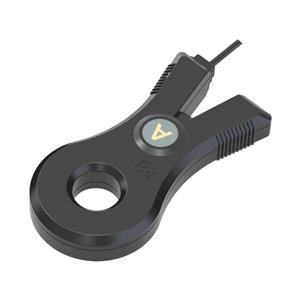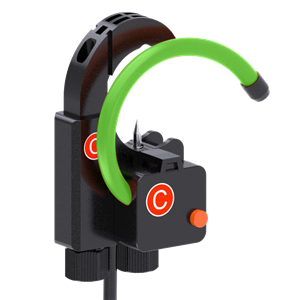
Ratio, burden, and linearity are three of the most important specification items in a current transformer, especially for smart meter and energy metering applications. Ratio determines the conversion relationship, burden affects real circuit behavior, and linearity reflects how predictably the CT performs across the operating range. When these three parameters are understood together and evaluated against the actual meter design, project teams can make stronger CT selections, improve calibration efficiency, and support more stable long-term metering performance.

The right accuracy class for a metering current transformer depends on what the meter is expected to achieve in actual use. High-precision applications may require tighter control, while standard or cost-sensitive projects often benefit more from a balanced and practical choice. The best selection comes from matching the class to the metering objective, operating range, thermal conditions, and supply consistency rather than simply choosing the highest specification available. When accuracy class is evaluated together with real system needs, metering projects become more reliable, more efficient, and easier to control from design to mass production.