What Accuracy Class Should You Choose For A Metering Current Transformer
What Accuracy Class Should You Choose For A Metering Current Transformer
Choosing the right accuracy class for a metering current transformer is essential for measurement reliability, billing confidence, calibration efficiency, and long-term system stability. A class that is too low may not support the required metering performance, while a class that is unnecessarily high can increase cost and design complexity without bringing real project value. This guide explains how to choose the most suitable accuracy class for metering current transformers based on application goals, system expectations, and practical project conditions.
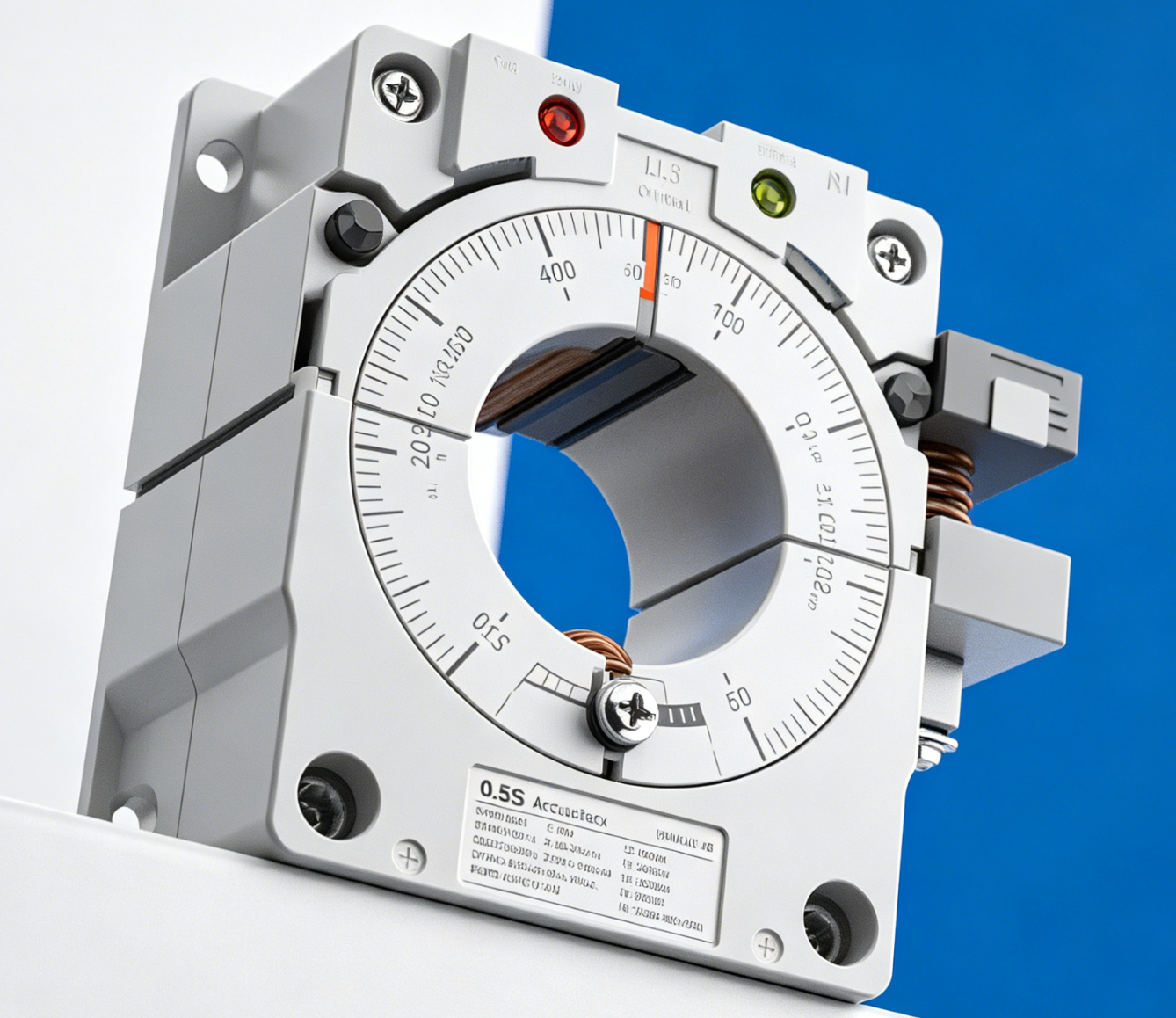
1. What Accuracy Class Means In A Metering Current Transformer
Accuracy class describes how closely a current transformer can reproduce the primary current signal within a defined performance range. In metering applications, this directly affects how accurately the system can measure energy consumption, monitor load behavior, and maintain consistent results over time. In simple terms, the accuracy class tells engineers and buyers how much measurement error can be expected under specified operating conditions.
For metering current transformers, accuracy is not only about one ideal laboratory point. A good metering CT should maintain stable performance across the actual current range, under expected burden conditions, and in realistic operating temperatures. That is why accuracy class should never be treated as a single isolated number. It needs to be understood together with ratio error, linearity, burden compatibility, repeatability, and long-term stability.
In many projects, teams focus too early on choosing the highest possible class. However, higher accuracy is only useful when it matches the metering objective and system design. If a meter does not require extremely tight precision, specifying an unnecessarily high class may increase cost and sourcing difficulty without producing meaningful performance benefits. On the other hand, choosing a class that is too low can create calibration problems, certification risk, or unstable measurement results in the field.
The best approach is to understand the role of the meter, the expected performance target, and how the CT interacts with the complete metering system. Accuracy class is important, but it is most valuable when selected as part of a full application-based decision rather than as a catalog comparison only.
2. How To Match Accuracy Class With Different Metering Needs
The required accuracy class depends first on the type of metering application. If the CT is used in a high-precision smart meter or a system where billing accuracy is critical, a tighter class is generally preferred. In these cases, engineers usually pay more attention to stable ratio performance, consistent low-current behavior, and reduced drift across a wider operating range. The goal is not only compliance, but also long-term confidence in real usage.
For general energy monitoring or internal management systems, the metering target may be less demanding. In such projects, the chosen class should still provide reliable and repeatable data, but there may be more flexibility in balancing accuracy and cost. Here, the focus is often on overall project practicality, installation environment, and stable operation rather than pushing for the tightest possible specification.
Engineers should also consider how the meter behaves at different load points. Some metering systems must maintain stronger performance under low current conditions, while others are more sensitive to higher current stability or temperature variation. This is why the selected class should always be reviewed together with the actual operating profile of the application. A class that looks good on paper may not deliver the desired field result if the system conditions are different from the intended test point.
As a general industry reference, classes such as 0.2, 0.2S, 0.5, and 1 are commonly discussed for metering-related applications, but the right choice always depends on the system objective. The most useful question is not “What is the highest class available?” but “What class is necessary for this metering task, under this design condition, at this cost level?”
| Metering Scenario | Typical Accuracy Expectation | Selection Focus |
|---|---|---|
| High-precision smart metering | Tighter accuracy target | Low error, stable repeatability, stronger full-range behavior |
| Standard smart meter projects | Balanced accuracy target | Reliable performance, cost balance, stable production quality |
| Internal energy monitoring | Practical accuracy target | Repeatable readings, easy integration, overall system efficiency |
| Cost-sensitive volume projects | Fit-for-purpose target | Necessary class only, supply stability, batch consistency |
| Temperature-variable environments | Stability-focused target | Thermal drift control, long-term measurement consistency |
3. Practical Factors That Matter More Than Accuracy Class Alone
Although accuracy class is a key selection point, it should never be used as the only decision factor. In real metering projects, CT performance is influenced by several interacting elements, including the current range, burden conditions, system calibration method, mounting structure, insulation design, and production consistency. A well-selected class can still underperform if the CT is not properly matched to the rest of the meter architecture.
One of the most important practical considerations is consistency across batches. A metering current transformer may perform well in a sample test, but if the supplier cannot maintain stable winding quality, core material control, and dimensional precision, large-scale production results may vary. For smart meter projects, this can increase calibration workload and reduce final product reliability. That is why the supplier’s process capability and quality control approach should be reviewed together with the technical specification.
Temperature behavior is another critical factor. Some metering systems operate in environments where seasonal or cabinet temperature changes are unavoidable. In those cases, long-term accuracy stability can matter more than chasing a tighter nominal class at one room-temperature test point. Engineers should also consider installation limitations, conductor layout, and whether the CT structure supports stable performance over years of service.
Cost efficiency should be evaluated carefully as well. Over-specifying the accuracy class may seem safe, but it can reduce sourcing flexibility and increase component cost without improving the actual outcome of the metering application. Under-specifying, however, may create technical compromise that appears only after system integration or field use. The best decision is usually the most appropriate class, not the most extreme one.
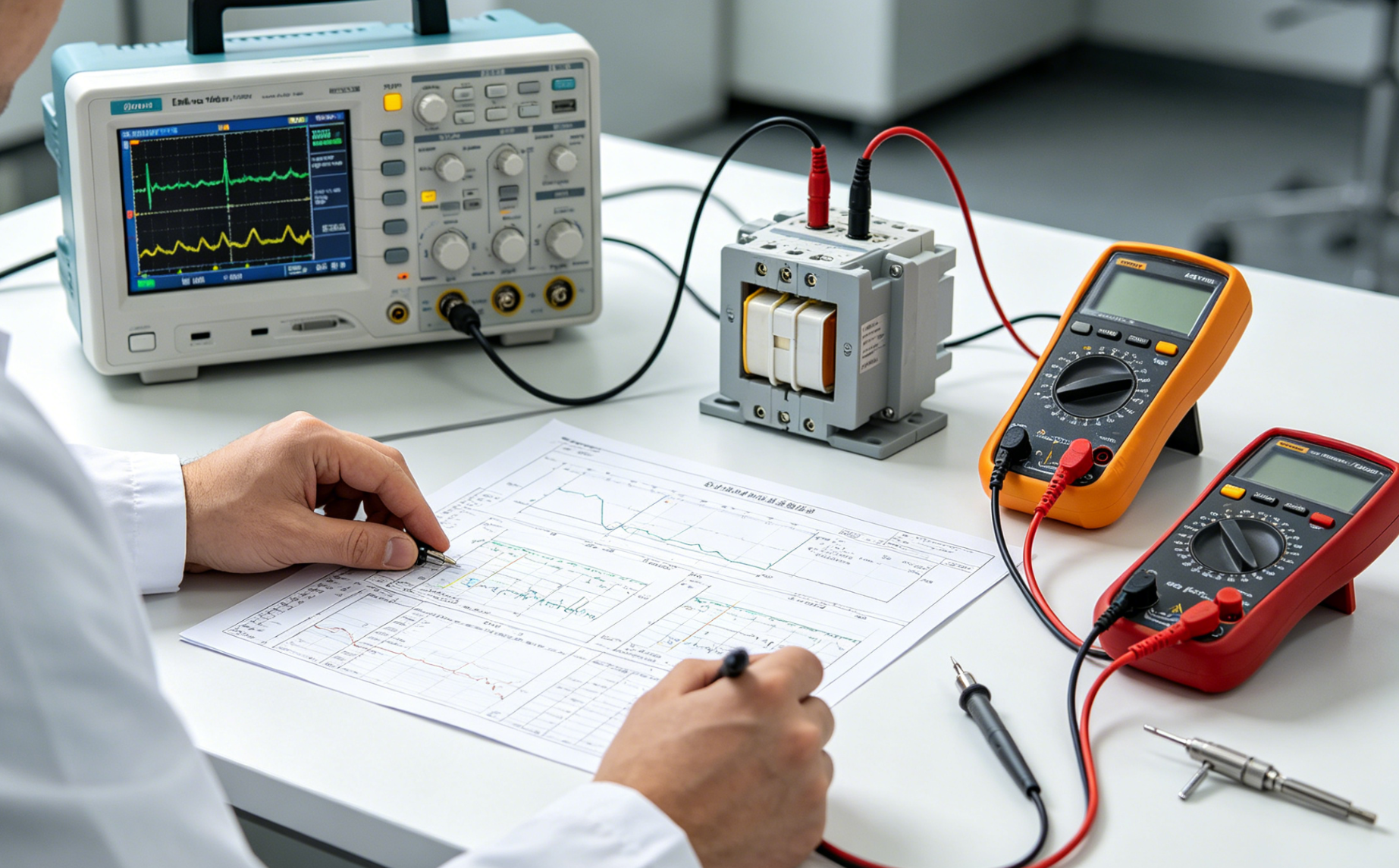
A practical selection process therefore combines accuracy class with system-level validation. Project teams should compare sample performance, review supplier consistency, and verify how the CT behaves under actual meter conditions. This leads to a much stronger and more reliable decision than relying on the class label alone.

Conclusion
The right accuracy class for a metering current transformer depends on what the meter is expected to achieve in actual use. High-precision applications may require tighter control, while standard or cost-sensitive projects often benefit more from a balanced and practical choice. The best selection comes from matching the class to the metering objective, operating range, thermal conditions, and supply consistency rather than simply choosing the highest specification available. When accuracy class is evaluated together with real system needs, metering projects become more reliable, more efficient, and easier to control from design to mass production.
Contact Us
Looking for the right metering current transformer for your project? Contact our team to discuss accuracy class, application fit, and stable supply support.