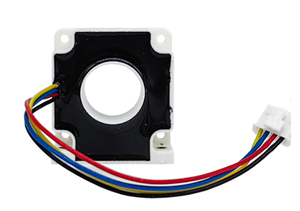
In the realm of industrial automation and power system monitoring, high-precision current transformers (HACTs) play a pivotal role. These devices are non-contact instruments used to accurately measure both AC and DC currents in circuits for reliable operation and data integrity.
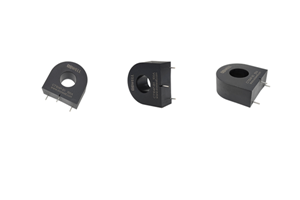
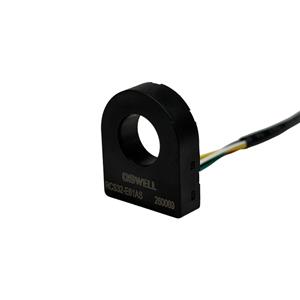
High Precision Current Transformer
● low price ● Various sizes ● Asymmetrical PCB mounting mode ● Single-turn through-core primary winding application ● Applied to occasions requiring high precision and small phase error ● Applied to high-precision measuring devices for current, power and electric energy
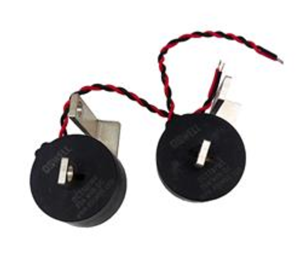
In the global pursuit of energy efficiency and grid modernization, every component counts. Precision-made Current Transformers, as exemplified by Oswell E-Group’s products, play a disproportionately large role in this endeavor. By fundamentally reducing internal core losses and providing the accurate, reliable data necessary for intelligent grid management, these components are indispensable tools for minimizing energy waste. The resulting savings enhance operational economics for utilities, empower consumers with trustworthy data, and collectively support broader environmental sustainability goals. Investing in precision CT technology is, therefore, a strategic move toward a more efficient and resilient energy future.
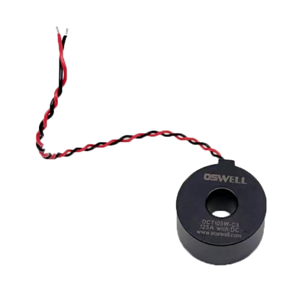
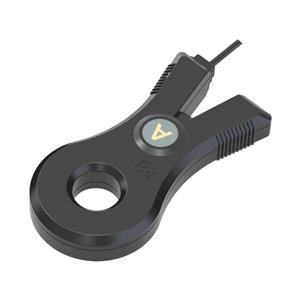
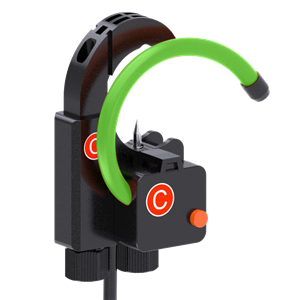
Comparing Split-Core and Solid-Core CTs
In conclusion, the choice between split-core and solid-core Current Transformers is not about which is universally "better," but about selecting the right tool for a specific application challenge. Solid-core CTs excel in environments where maximum accuracy, stability, and cost-efficiency for new installations are the priorities. Split-core CTs provide an indispensable, practical solution for modernizing existing infrastructure, enabling live installation, and facilitating energy audits and monitoring where system interruption is not an option. Understanding this core trade-off—between the theoretical performance perfection of a solid toroid and the unparalleled installation flexibility of a split-core design—is essential for engineers and project planners to deploy effective, reliable, and economical current sensing solutions.