60A Latching Relays: Applications and Benefits in Smart Metering and Load Control
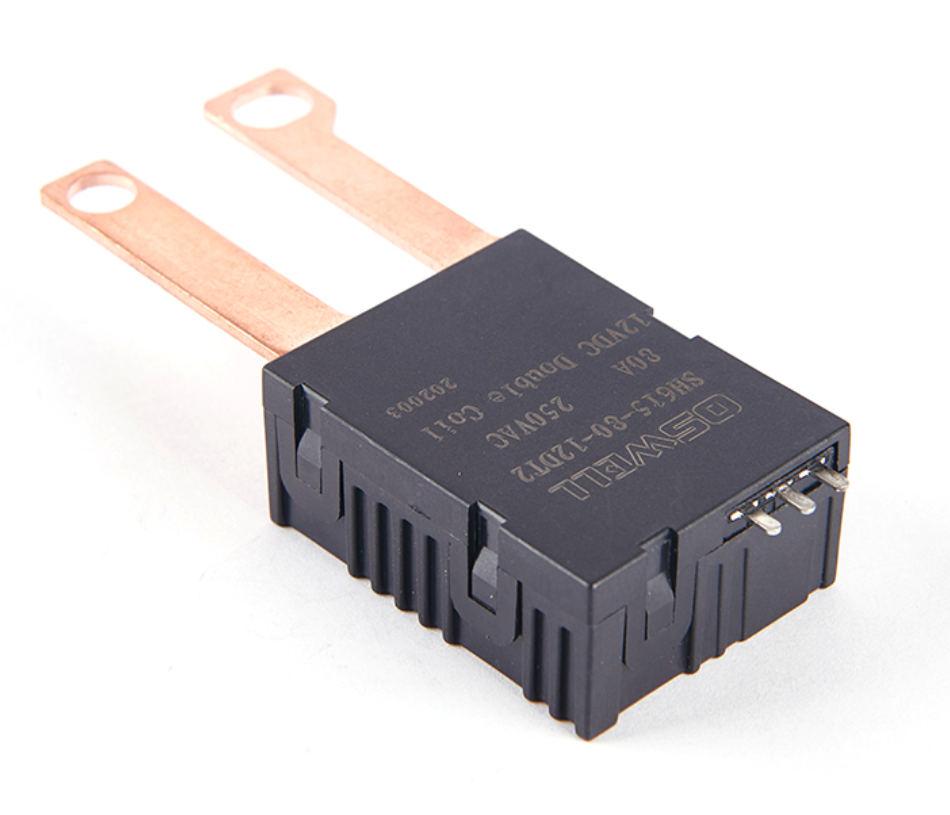
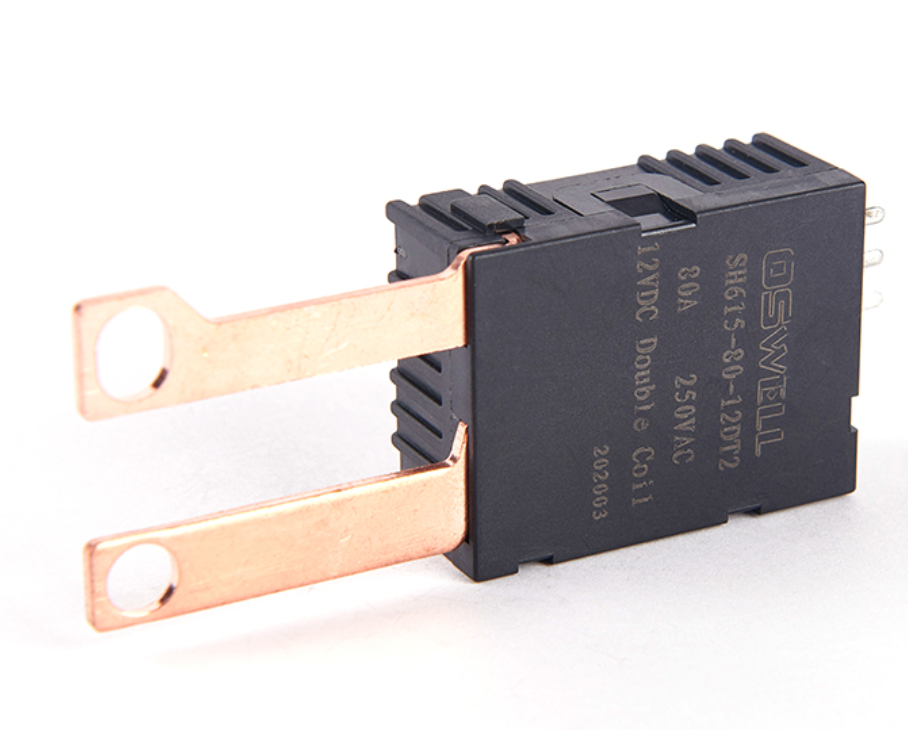
The transition from electromechanical to fully electronic smart meters and control systems introduced a critical challenge: how to perform reliable, high-current switching operations (like tariff changes or load disconnection) while minimizing the meter's own power consumption. The 60A latching relay, a specialized bistable relay, provides an ingenious solution. Its core innovation lies in its magnetic latching mechanism. Unlike a standard (monostable) relay that requires a continuous coil current to maintain its switched state, a latching relay uses a permanent magnet or a remanent magnetic circuit. It requires only a short, momentary pulse of current (typically 20-50ms) of the correct polarity to change its contact state—either from Open to Closed or vice versa. Once switched, it mechanically latches and maintains that position indefinitely without any power applied to the coil. This zero-power holding characteristic is revolutionary. In a smart meter performing daily time-of-use tariff switching, a standard 60A relay would consume several watts continuously for hours, directly adding to grid losses and meter self-consumption. A 60A latching relay, however, consumes energy only during the brief switching moment, resulting in dramatic energy savings over the meter's 10-20 year lifespan. This makes it an essential component for meeting stringent energy efficiency standards for meters and for enabling battery-backed operation in prepayment or critical load control applications.
Enhancing Reliability and Enabling Advanced Metering Infrastructure (AMI) Functions
The benefits of the 60A latching relay extend far beyond energy savings to directly enhance system reliability, safety, and functionality. The absence of continuous coil current eliminates a constant source of heat, leading to a significantly lower operating temperature. This reduces thermal stress on the relay's internal components and surrounding electronics, which directly translates to a vastly extended mechanical and electrical lifespan—often exceeding 100,000 operations. This robustness is crucial for applications like demand response, where a utility may remotely cycle a customer's high-power appliance (e.g., electric water heater, HVAC) multiple times daily. Furthermore, the relay's bistable memory is a critical safety feature. In the event of a power outage, the relay remains in its last commanded state. This ensures that a load intentionally disconnected for safety (e.g., in a fault condition) or for debt collection (in a prepayment meter) remains off, and that the correct tariff is reapplied when power is restored, without requiring a complex recovery routine. This inherent position memory enables reliable remote load control and tariff switching—cornerstones of the Advanced Metering Infrastructure (AMI). Utilities can implement time-based rates, critical peak pricing, and direct load control programs with confidence, knowing the switching endpoint is reliable, energy-efficient, and failsafe.
Design and Integration for Demanding 60A Applications
Implementing a 60A latching relay successfully requires careful attention to its unique electrical and mechanical characteristics. The pulse-driven operation necessitates a compatible driver circuit. This circuit must provide the short, high-current pulse of the correct polarity and duration to ensure positive switching without contact bounce, yet it can be a low-power circuit the rest of the time. The relay's contacts are engineered for high-current switching, utilizing materials like silver alloy to withstand arcing and minimize contact resistance, which is critical for preventing power loss and heat generation in the switched path under full 60A load. For component manufacturers specializing in metering solutions, like Oswell E-Group, the relay's long-term stability and low thermal drift are paramount. They ensure that the relay's performance remains consistent over decades of service and across varying environmental temperatures, a necessity for metering accuracy and customer satisfaction. Moreover, the relay's compact design allows it to fit within the constrained space of a meter socket or control panel. When properly integrated, the 60A latching relay transforms from a simple switch into an intelligent, ultra-efficient, and utterly reliable actuator that is fundamental to the operational and financial models of modern smart grids and automated load management systems.
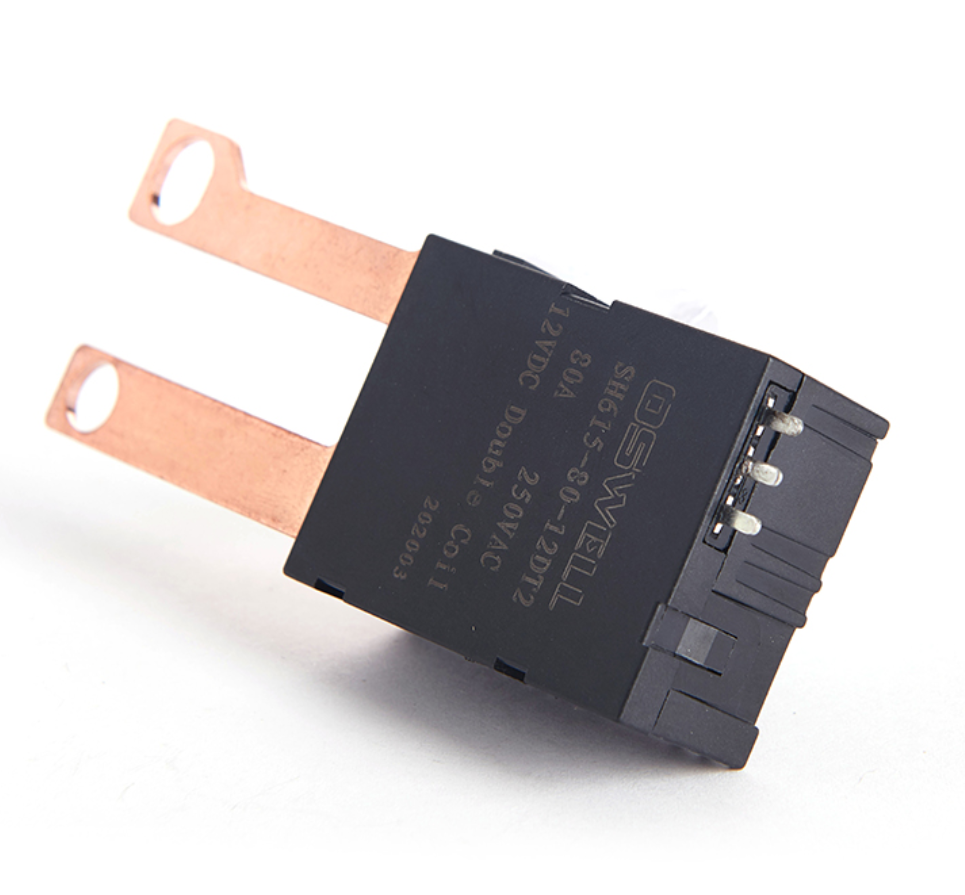
The 60A latching relay is a pivotal component in the evolution of smart grid technology. It masterfully solves the fundamental conflict between the need for reliable, high-current switching and the imperative for ultra-low power consumption. By operating on brief energy pulses and maintaining state with zero holding power, it enables the advanced functionalities of AMI—such as dynamic tariffing and remote load control—while drastically reducing system losses. Its inherent reliability, safety features, and long service life make it the only viable choice for deploying these functions on a massive scale. For meter manufacturers, utilities, and system integrators, specifying a high-quality 60A latching relay is not merely a component selection; it is a strategic investment in building a more efficient, responsive, and resilient electrical infrastructure for the future.
Related product and article resources
For procurement comparison and technical evaluation, readers can continue with these related product pages and supporting articles.