Advantages of 80A-100A Cage Clamp Terminal Blocks for Industrial Power Distribution
Advantages of 80A-100A Cage Clamp Terminal Blocks for Industrial Power Distribution
Unmatched Connection Integrity and Long-Term Reliability
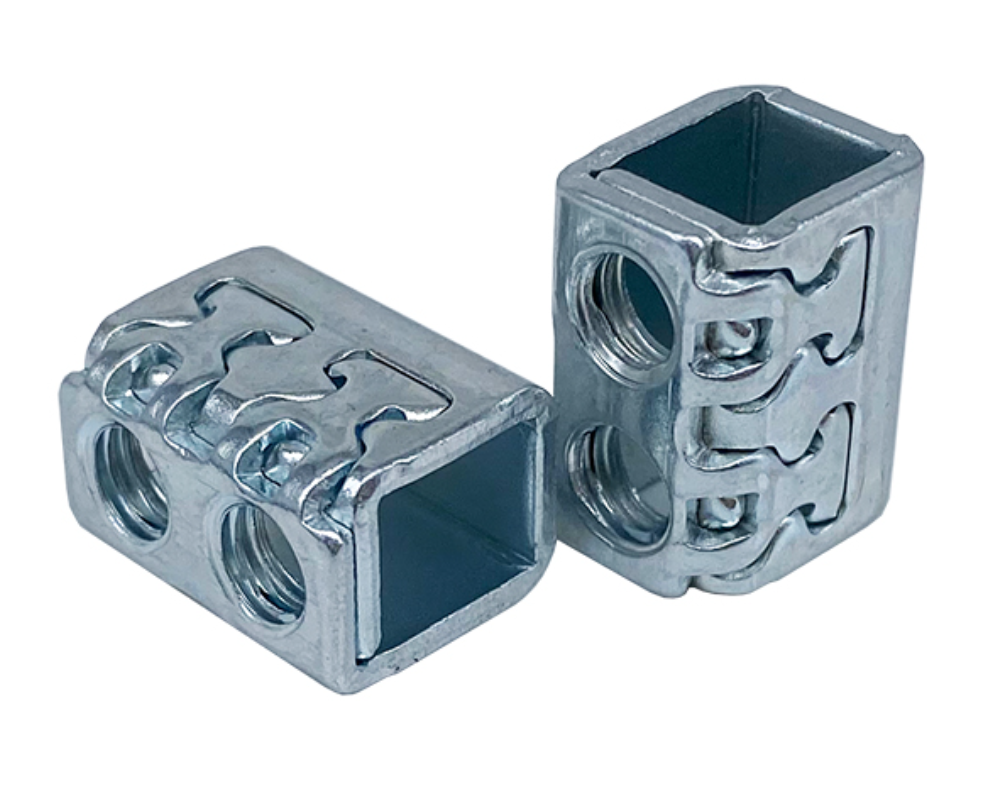
In the demanding environment of industrial power distribution, where high currents, vibrations, and thermal cycles are commonplace, the integrity of every electrical connection is paramount. For connections handling 80A to 100A, cage clamp terminal blocks stand out as a superior alternative to traditional screw terminals, primarily due to their exceptional vibration resistance and consistent contact force. The secret lies in the spring-loaded, cage-shaped clamp mechanism. When a conductor is inserted and the clamping screw is tightened, a precision spring exerts a constant, uniform pressure on the wire. This design compensates for the natural cold flow or relaxation of copper conductors over time, which can cause connections in screw terminals to loosen. The result is a gas-tight, high-pressure contact point that maintains excellent conductivity and a low, stable contact resistance. This prevents localized heating (hot spots) at the connection, a common failure point in high-current applications. For manufacturers like Oswell E-Group, which supplies critical components for metering and distribution systems, ensuring such unwavering connection reliability is non-negotiable. A terminal block that maintains its integrity over decades directly contributes to the safety and uptime of the entire electrical panel, minimizing fire risks and unscheduled maintenance.
Operational Efficiency and Enhanced Safety for Technicians
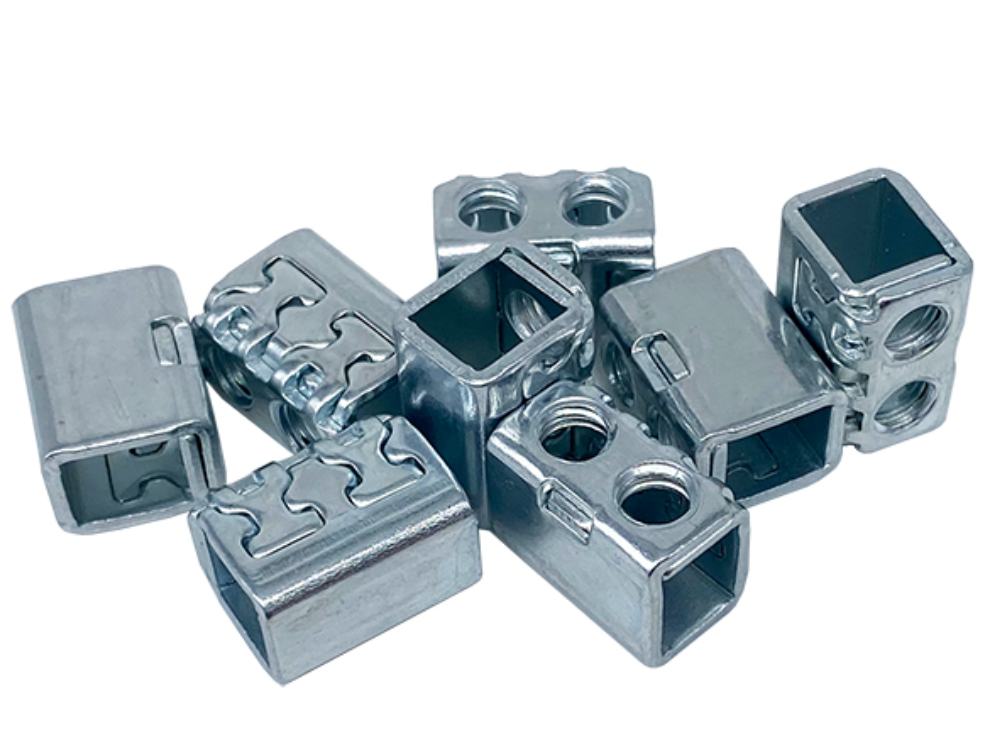
Beyond long-term reliability, cage clamp terminal blocks offer significant advantages during installation and maintenance, directly impacting operational efficiency and personnel safety. The most notable is the tool-less or quick-connection capability for pre-assembly. In many designs, conductors can be inserted directly into the open clamp with a standard screwdriver, pressed down, and are held securely by the spring force even before the screw is finally torqued. This "hands-free" temporary securing allows technicians to arrange and manage multiple wires in a panel efficiently before making the final, permanent connection, drastically speeding up the wiring process. The design also virtually eliminates the risk of damaged conductors. Unlike screw terminals, where over-tightening can cut or notch strands, or loose strands can escape, the cage clamp's smooth, rounded edges and uniform pressure grip the conductor firmly without compromising its cross-section. Furthermore, the clear, marked touch-proof design of the housing provides a critical safety barrier. It prevents accidental contact with live parts during installation, testing, or servicing, a crucial feature in high-current, high-energy environments. This combination of faster installation, reduced wiring errors, and inherent safety makes them an ideal choice for both OEMs building panels and field technicians performing upgrades or repairs.
Design Robustness for Demanding Industrial Environments
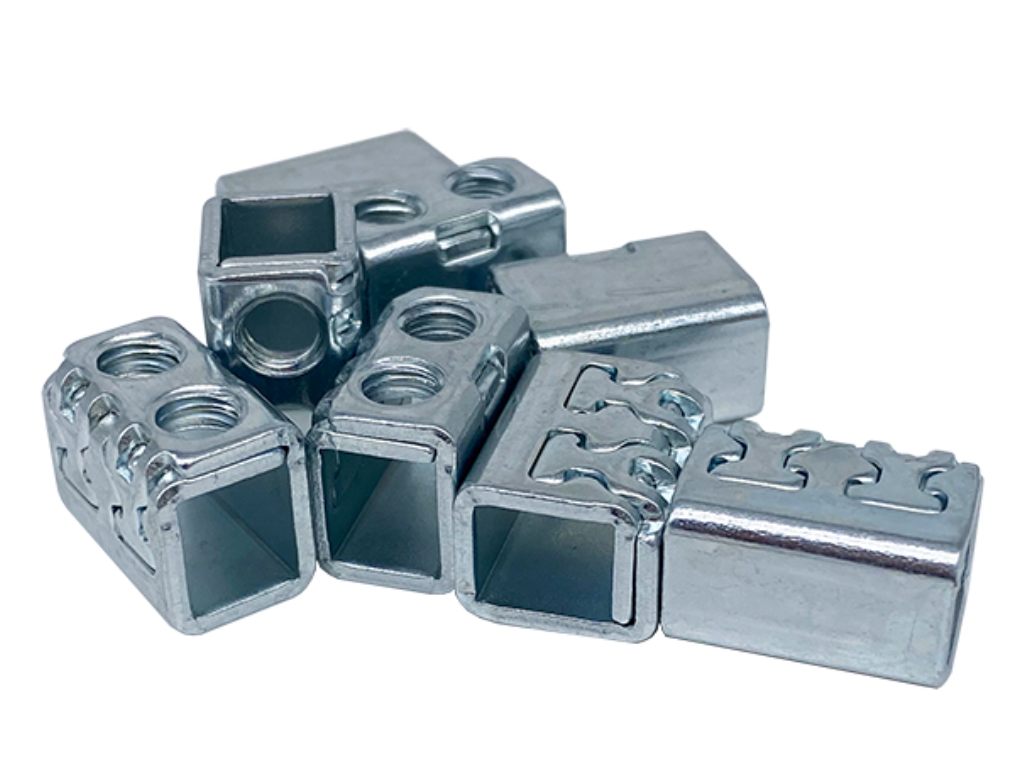
The 80A-100A current rating places terminal blocks in a category where robust construction and material quality are critical. High-quality cage clamp blocks are engineered to withstand the specific stresses of industrial settings. Their housings are typically made from high-grade, flame-retardant polyamide (PA66) or other durable engineering plastics that offer high Comparative Tracking Index (CTI) ratings, excellent insulation properties, and resistance to chemicals and oils. The current-carrying components—the cage spring and conductor bar—are made from high-conductivity, corrosion-resistant materials like tin-plated copper alloy or stainless steel, ensuring low electrical resistance and long-term performance even in humid or corrosive atmospheres. Crucially, these terminal blocks are designed to provide secure, high-integrity connections for a wide range of wire gauges (often accommodating fine-stranded, ferruled, or solid conductors) that fall within their ampacity rating. This versatility reduces inventory complexity. For a component supplier like Oswell E-Group, which understands the need for durability in metering and distribution equipment, specifying or providing terminal blocks with such a combination of mechanical strength, thermal stability (to handle temperature rises from the carried current), and environmental resistance ensures that the connection points are not the weak link in a system designed for a 20+ year service life.
In industrial power distribution, the choice of a connection terminal is a critical decision that impacts safety, maintenance costs, and system longevity. 80A-100A cage clamp terminal blocks present a compelling solution that addresses the core challenges of this application. They deliver unmatched long-term connection stability through constant spring pressure, enhance installation efficiency and technician safety with user-friendly features, and are built with robust materials to endure harsh industrial conditions. By virtually eliminating the risks of loosening, overheating, and installation damage, they move from being a simple passive component to an active guarantor of system reliability. For engineers and procurement specialists sourcing components for durable and safe power systems, specifying high-quality cage clamp terminal blocks is a strategic investment in reducing total cost of ownership and ensuring uninterrupted operation.
Related product and article resources
For procurement comparison and technical evaluation, readers can continue with these related product pages and supporting articles.