Applications of Low-Resistance, High-Precision Shunt Sensors in EV Charging Stations
Billing and Revenue Accuracy: The Core of Fair and Transparent Transactions
At the heart of every commercial EV charging station lies the fundamental need for precise energy measurement, the direct basis for billing. Here, low-resistance, high-precision shunt sensors play a critical role. They are deployed within the AC/DC conversion modules and power distribution units of the charger to measure the electrical current with high accuracy. Their inherently low resistance (often in the sub-milliohm range) ensures minimal power loss (I²R loss) and heat generation, which is crucial for efficiency and thermal management. More importantly, their high precision (e.g., 0.1% or better) and excellent long-term stability translate directly into revenue-grade metering. This guarantees that both the station operator and the EV owner are engaged in a fair, transparent, and trusted financial transaction for every kilowatt-hour delivered. In an industry where profit margins and customer trust are paramount, the reliability of components like Oswell's precision shunts forms the bedrock of the business model. Their stable performance over wide temperature ranges ensures billing accuracy remains consistent from a freezing winter night to a scorching summer afternoon.
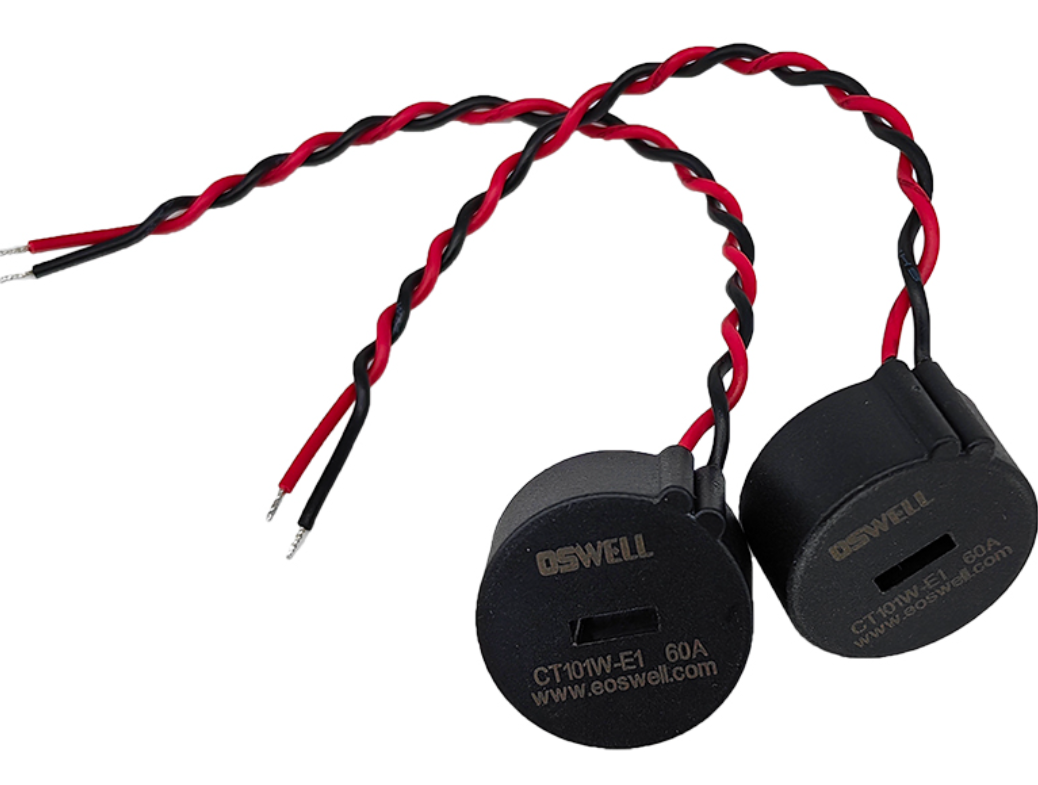
Safety, Control, and Power Management: Ensuring Safe and Efficient Operation
Beyond billing, shunt sensors are vital for the real-time control and protection systems within an EV charger. Their ability to provide instantaneous, high-fidelity current measurements enables several critical safety and performance functions. They are integral to over-current protection (OCP) circuits, allowing the charger's control unit to detect dangerous fault currents and shut down power within milliseconds to prevent damage to the vehicle's battery, the charging cable, and the charger's own electronics. Furthermore, in DC fast chargers, shunts are used to precisely monitor the charging current delivered to the battery. This data is fed back to the charger's control algorithm to implement the Constant Current (CC) and Constant Voltage (CV) charging profiles as required by the battery management system, optimizing charging speed while safeguarding battery health. The low thermal EMF and high power rating of high-quality shunts, such as those manufactured by Oswell, are essential for maintaining measurement integrity under high-power, dynamic charging cycles, ensuring both operational safety and optimal charging performance.
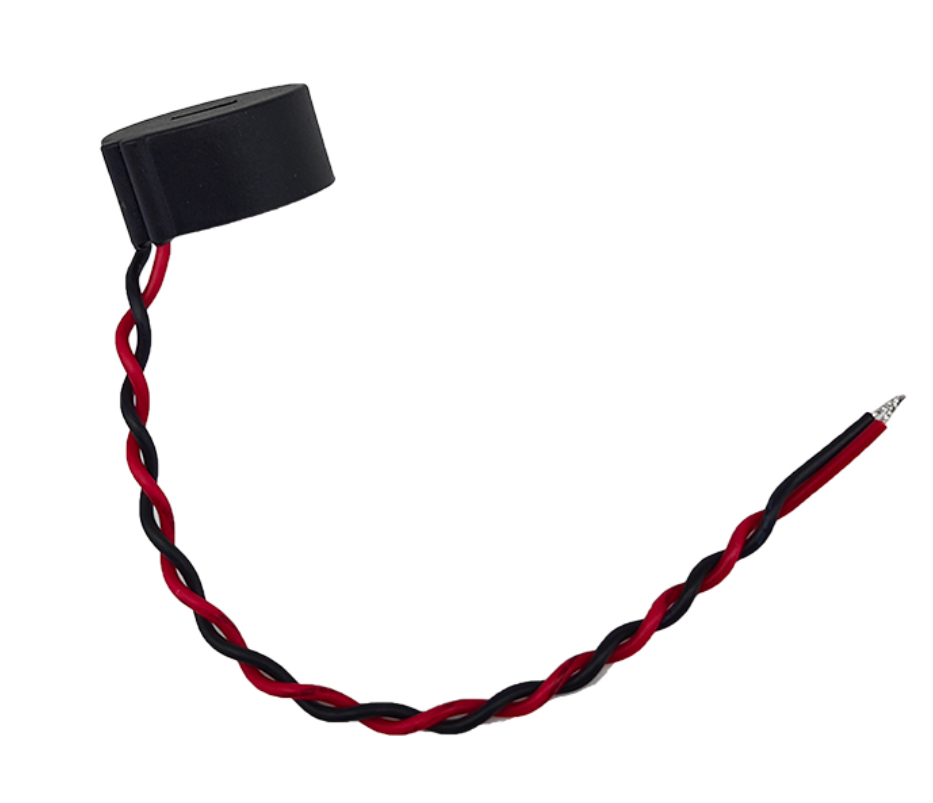
Enabling Smart Grid Integration and Energy Optimization
As EV fleets grow, charging stations are evolving from simple power outlets into intelligent grid-edge assets. High-precision shunt sensors are key enablers of this intelligence. In vehicle-to-grid (V2G) and vehicle-to-everything (V2X) applications, the direction of power flow can reverse. The bidirectional current measurement capability of shunts (when integrated with appropriate circuitry) is essential for accurately quantifying the energy discharged from the EV battery back to the grid or a building. This enables new revenue streams and grid stabilization services. Moreover, in smart charging and load management systems at charging hubs, data from multiple shunt sensors is aggregated. This allows the station's energy management system to dynamically allocate available power, prevent local transformer overload, and participate in demand response programs. The robust construction, low temperature drift, and high linearity of precision shunts ensure that this aggregated data is accurate and reliable, forming a trusted foundation for complex, grid-interactive energy optimization algorithms. Suppliers like Oswell provide the measurement-grade components that turn a charging station into a controllable, grid-supportive node.
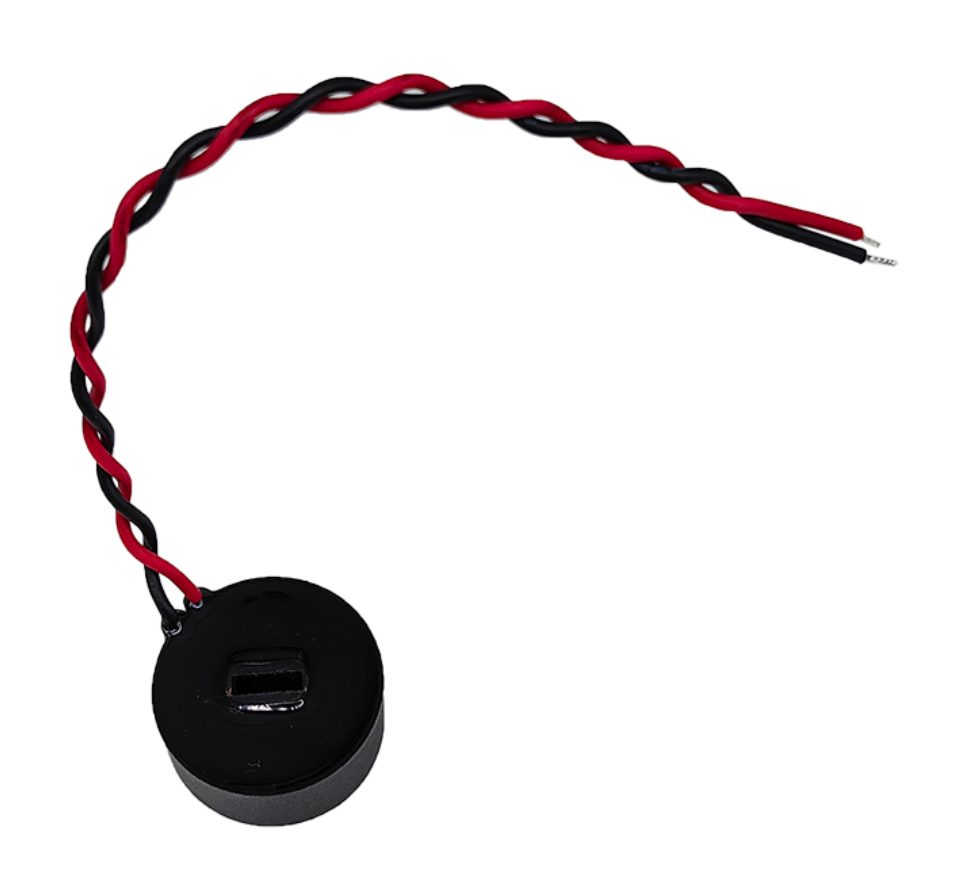
In conclusion, while often unseen within the charging station's enclosure, low-resistance, high-precision shunt sensors are fundamental components that underpin the entire EV charging ecosystem. They are critical for accurate revenue collection, ensuring operational safety, enabling fast charging protocols, and facilitating smart grid integration. Their performance directly impacts user trust, station profitability, and grid stability. As charging powers increase and V2X applications emerge, the demands on these components for higher accuracy, greater power handling, and unwavering reliability will only intensify. For international buyers and designers specifying components for next-generation charging infrastructure, partnering with a trusted, high-quality manufacturer like Oswell is a strategic imperative. It ensures access to the precise, reliable, and robust current sensing technology needed to build a trustworthy, efficient, and future-ready EV charging network.
Related product and article resources
For procurement comparison and technical evaluation, readers can continue with these related product pages and supporting articles.