Charger Heating and Battery Preconditioning Functions for Cold Regions
Charger Heating and Battery Preconditioning Functions for Cold Regions
The Cold Weather Challenge to EV Charging and Performance
In cold climates, electric vehicle (EV) charging and operation face significant technical hurdles primarily due to the fundamental behavior of lithium-ion batteries. As temperatures drop below freezing (0°C / 32°F), the electrolyte viscosity increases and electrochemical reactions within the battery cells slow down drastically. This leads to two critical issues. First, charging efficiency plummets: the battery's internal resistance rises, causing more energy to be wasted as heat during charging, prolonging charge times, and reducing the effective charging power accepted by the vehicle. Second, and more critically, charging at low temperatures, especially at high rates, can cause lithium plating—a condition where metallic lithium forms on the anode surface instead of intercalating, which permanently reduces battery capacity and increases the risk of internal short circuits. For users in regions like Northern Europe, Canada, and Northern China, this translates into unreliable charging, drastically extended wait times at DC fast chargers, and accelerated long-term battery degradation. Therefore, effective cold-weather operation is not a luxury feature but an essential engineering requirement for both vehicle acceptance and charging infrastructure viability in these markets.
Onboard Battery Preconditioning – The Vehicle’s Proactive Warm-Up
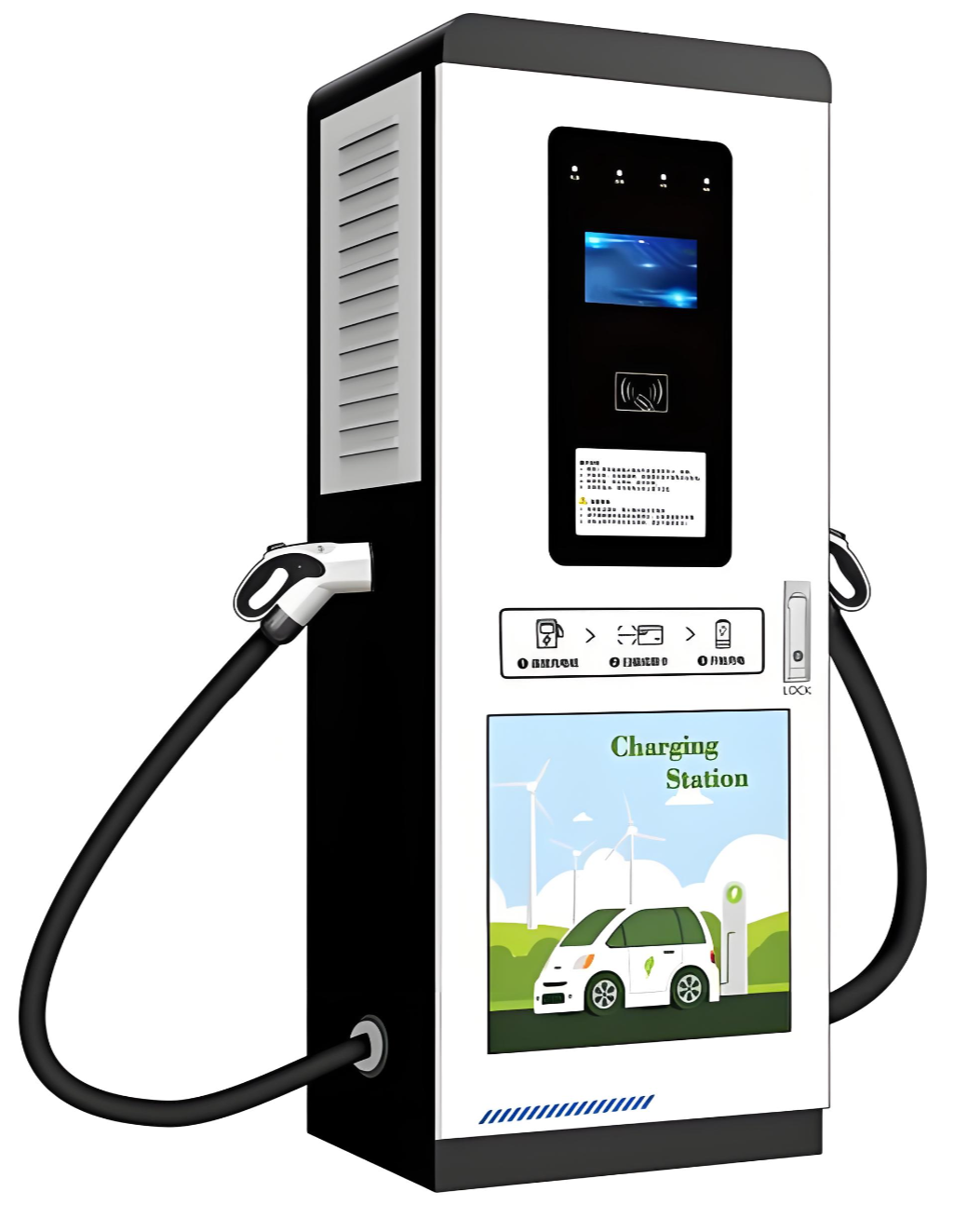
To address these challenges, modern EVs are equipped with sophisticated Battery Thermal Management Systems (BTMS) that include active battery preconditioning functions. When a driver uses the vehicle's navigation to set a DC fast charger as the destination, the vehicle's intelligence system triggers a preconditioning sequence. It uses the vehicle's own heat pump system or dedicated battery heaters to gently and uniformly warm the battery pack to its optimal charging temperature range, typically between 15°C to 25°C (59°F to 77°F), before arrival at the charger. This process consumes energy from the battery itself, which is why it is most efficient when initiated while the vehicle is still connected to an AC power source (e.g., a home charger). A preconditioned battery presents lower internal resistance, enabling it to accept maximum charging power immediately upon plug-in. This results in significantly reduced fast-charging time, protects battery health by preventing lithium plating, and improves overall energy efficiency for the charging session. Preconditioning, therefore, shifts the thermal workload from the charger to the vehicle, ensuring the battery is "ready" for an optimal interaction with the charging infrastructure.
Smart Charger Integration and Cold-Weather Resilience Features
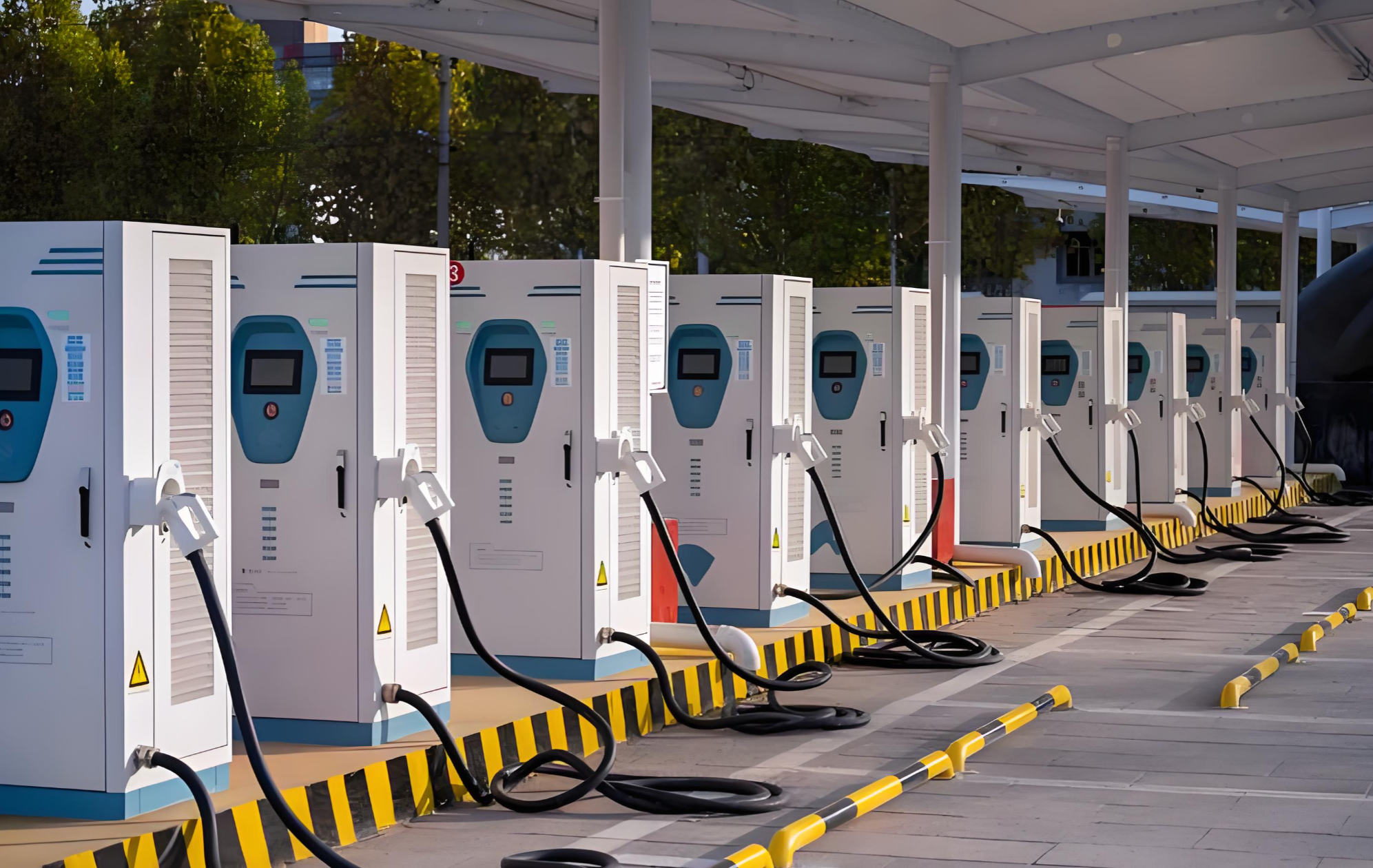
While vehicle-side preconditioning is crucial, the charging infrastructure itself must also be designed for extreme cold. Advanced EV chargers, like those developed by Oswell, incorporate specific features to ensure reliable operation in sub-zero conditions. Key among these are internal heating systems for critical components. The liquids within DC charging modules require heating to maintain optimal viscosity for cooling. Similarly, electronic components, display screens, and payment terminals may be equipped with low-wattage heaters to prevent freezing and ensure responsive touchscreens. Chargers communicate with the vehicle via the ISO 15118 or DIN 70121 protocol, which allows them to exchange information, including the battery's temperature. This communication enables smart chargers to advise or coordinate with the vehicle's preconditioning system, potentially optimizing the warming schedule. Furthermore, charger software can implement cold-weather charging algorithms that may initially limit power delivery to a safe level until the battery warms up sufficiently through its own heating or the charging process itself. From a hardware standpoint, using low-temperature rated materials, conformal coatings on PCBs to prevent condensation, and IP-rated enclosures designed to handle ice and snow accumulation are essential for long-term durability. Together, these features ensure that the charging station remains operational, safe, and capable of delivering efficient power, regardless of the frosty environment.
Effective EV charging in cold regions is a sophisticated dance of coordination between the vehicle's intelligent thermal management and the charger's hardened, adaptive design. Battery preconditioning ensures the energy storage unit is primed for efficient, high-power acceptance, protecting its long-term health. Simultaneously, cold-weather optimized chargers guarantee the infrastructure's availability and performance, forming a reliable link in the chain. This dual approach—proactive vehicle preparation and resilient charger engineering—transforms the winter EV experience from one of frustration and range anxiety to one of predictable, efficient, and safe mobility. It represents a critical evolution in EV technology, making electric transportation a practical and reliable choice for all climates, thereby accelerating the global transition to sustainable energy.