CT Production: Ensuring Accuracy and Reliability
CT Production: Ensuring Accuracy and Reliability
Foundational Precision: Material Science and Automated Winding
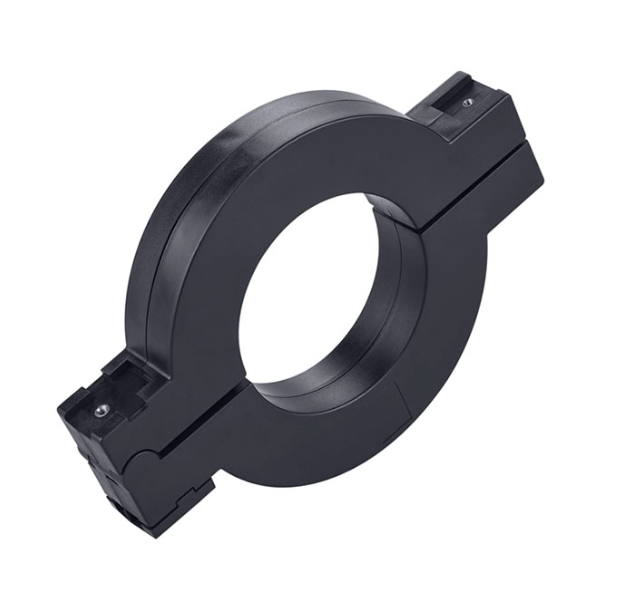
The journey to a highly accurate and reliable Current Transformer (CT) begins with the selection of premium materials and the execution of precise manufacturing processes. The magnetic core, the heart of the CT, is typically made from high-permeability materials like oriented silicon steel or advanced amorphous/nanocrystalline alloys. These materials are chosen for their ability to efficiently channel magnetic flux with minimal losses, directly impacting the transformer's linearity and phase accuracy. The winding process is equally critical. Modern production utilizes automatic winding machines that wind the primary and secondary coils with exact, pre-programmed turn counts. This automation ensures exceptional uniformity and consistency in every unit, eliminating the human error and variability inherent in manual winding. The precise turn ratio between the primary and secondary windings is the fundamental determinant of the CT's transformation ratio, and any deviation here would introduce a permanent, multiplicative error in all subsequent measurements. Thus, the marriage of superior core materials with robotic precision in winding forms the non-negotiable foundation for metering-grade accuracy.
Enhanced Stability and Protection: Advanced Potting and Welding Techniques
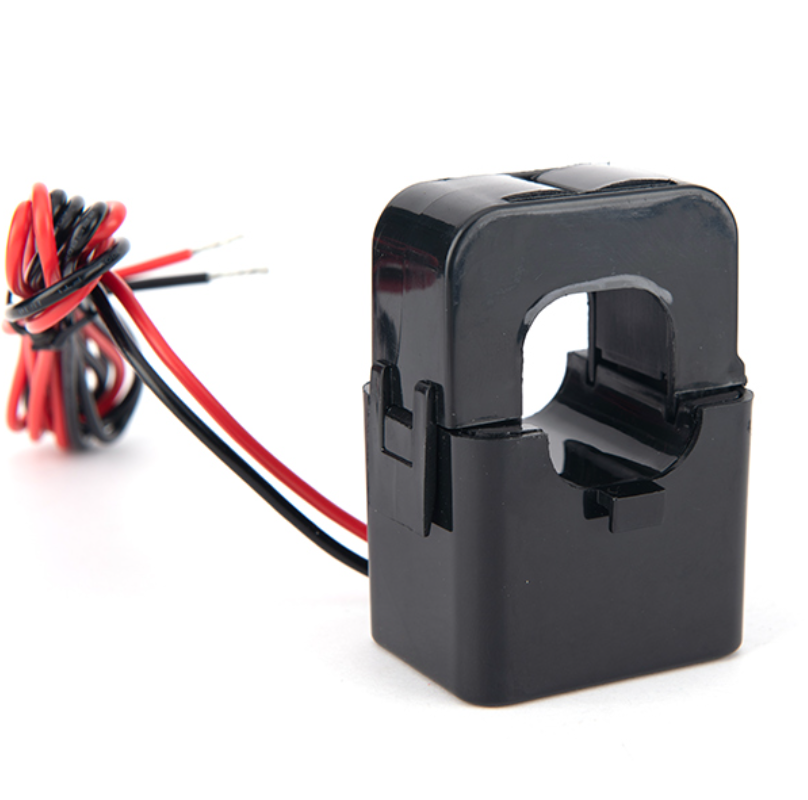
To guarantee that the initial precision is maintained over decades of service in challenging environments, the CT must be physically and environmentally protected. This is achieved through advanced encapsulation and joining technologies. The automatic potting process is a key step. An automatic feeder places the wound core assembly into a mold, where a vacuum is drawn to remove air. Epoxy resin is then injected under controlled parameters, completely encasing the windings and core. This bubble-free potting provides superb mechanical rigidity, prevents moisture ingress, and offers excellent heat dissipation, locking the components in place and shielding them from vibration, thermal cycling, and corrosive atmospheres. For electrical connections and structural integrity, High-Temperature E-B (Electron Beam) Welding is employed. This technique allows for the precise, high-strength welding of terminals and shields without the need for filler material that could oxidize or create resistive joints. It results in minimal welding deformation and high productivity, ensuring durable, low-resistance electrical paths and robust mechanical assemblies. Together, potting and precision welding transform a delicate electromagnetic assembly into a rugged, maintenance-free component.
Rigorous Verification: Calibration and Comprehensive End-of-Line Testing
The final, critical phase of CT production is a battery of rigorous tests that verify performance against stringent international standards (e.g., IEC 61869-1, -2). This process starts with automatic resistance adjusting, where equipment checks and fine-tunes the DC resistance of windings to ensure they fall within the specified tolerance, guaranteeing consistent electrical characteristics. The core of verification is precision calibration and ratio/phase error testing. Each CT is placed in a test fixture where known primary currents are applied. Sophisticated test systems measure the actual secondary output, calculating the ratio error (the deviation from the nominal turns ratio) and phase displacement (the angular error between primary and secondary signals) at multiple load points (e.g., 1%, 5%, 20%, 100%, 120% of rated current). This data confirms the CT's accuracy class (e.g., Class 0.5S, 0.2). Additional tests include dielectric strength tests (high-pot or hipot tests) to verify insulation integrity at voltages far above operating levels, and impulse voltage tests to simulate lightning strikes. Only units passing all these checks are certified for shipment. This comprehensive testing regimen is the ultimate gatekeeper, ensuring that every CT delivered not only meets specifications on paper but will perform with unwavering accuracy and safety in the field for its entire service life.
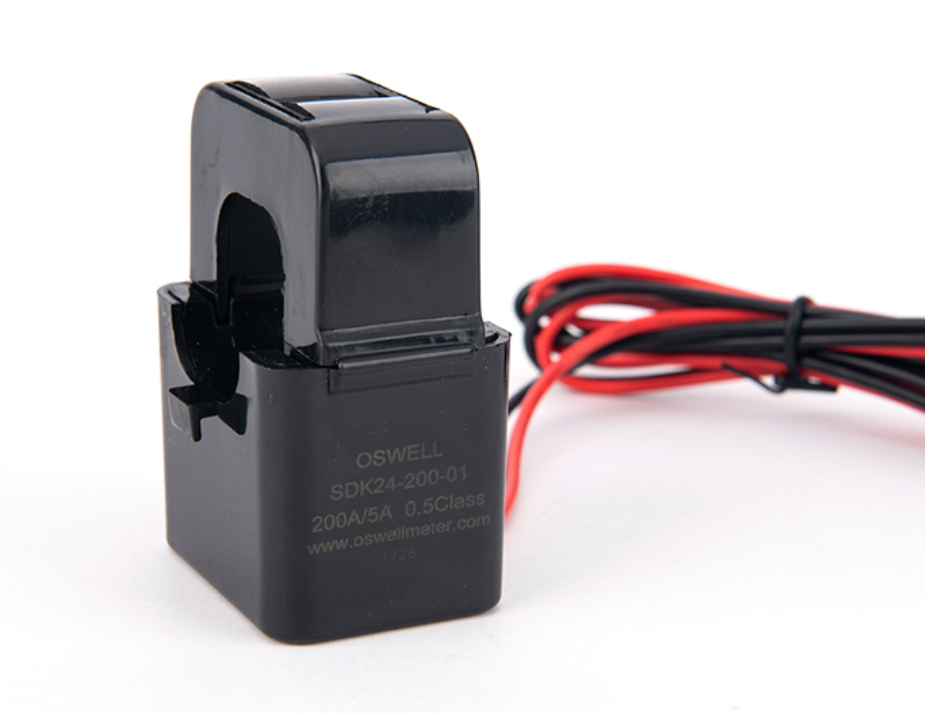
In conclusion, ensuring the accuracy and reliability of a Current Transformer is a holistic commitment that spans the entire production lifecycle. It starts with the precision engineering of core materials and windings, is solidified through protective processes like automated potting and advanced welding, and is unequivocally validated by exhaustive calibration and testing. Each step is interlinked, designed to eliminate variability and fortify the component against time and environmental stress. For manufacturers of energy meters and protection devices, partnering with a CT producer that masters this integrated approach—like Oswell with its automated production and test laboratories—is not just a procurement decision; it is a strategic investment in the foundational measurement integrity of their own end products.