Current Transformer Buyer Guide For 2026 Projects
Buyers searching for Current Transformer in 2026 are usually not looking for a simple catalog page. They are trying to reduce project risk, compare suppliers faster and confirm whether the manufacturer can support real delivery conditions.
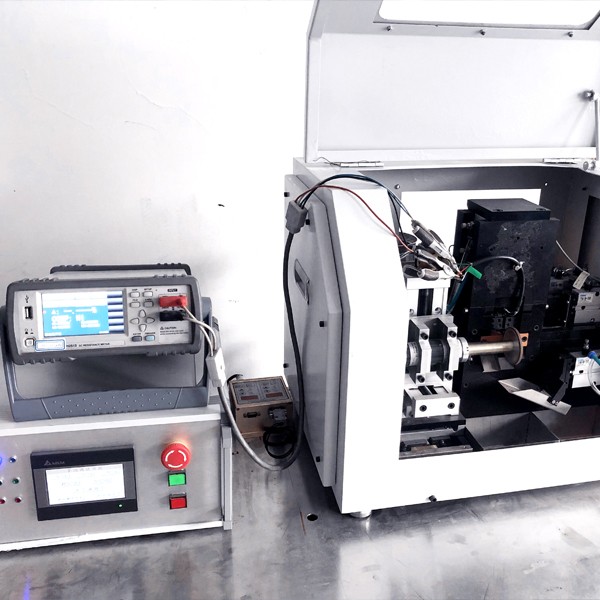

What buyers should confirm first
The first useful question is not whether the product is available. It is whether the specification, application condition and acceptance standard are clear enough for the supplier to quote without guessing. Missing project data often causes wrong model selection, slow confirmation and avoidable price changes.
RFQ checklist for Current Transformer
| Application data | Working condition, size, model range, capacity, material and site limits. |
| Quality evidence | Inspection points, test method, certificate requirement and traceability record. |
| Delivery risk | Lead time, packing method, spare part plan and after sales contact window. |
| Quotation clarity | Drawings, sample photos, target quantity, destination and acceptance criteria. |
Industry context behind this demand
buyers compare insulation, ratio accuracy, temperature rise, contact reliability and batch consistency. A good supplier page should therefore connect the product, the engineering detail and the inquiry path. That is also why this update uses product page links and quotation oriented language rather than broad marketing slogans.
Product pages to review before inquiry
These internal pages help buyers check whether the product family matches the project before sending drawings or specifications:
How to compare suppliers without wasting time
Ask each supplier to respond with the same technical scope. Compare the model or process recommendation, stated exclusions, inspection method, packing plan and response speed. A lower first quotation is not always cheaper if the supplier leaves key project risks undefined.
Related reading from this website
Current Transformer Specification Checklist for Overseas Project RFQs
Miniature Voltage Transformer Installation and Commissioning Notes for Buyers
How to Compare Latching Relay Suppliers Without Sacrificing Reliability
FAQ
What information should buyers send for Current Transformer
Send the application condition, drawings or photos, target quantity, required standard, destination country and any inspection or packing requirement.
How does this help Google understand the page
The article connects the product term with real procurement questions, internal product pages, image context and a clear inquiry path. This gives search engines more useful entity and intent signals.
When should the buyer contact the supplier
Contact the supplier when the project has a confirmed application, technical requirement or delivery target. Early discussion reduces rework and makes the quotation more accurate.
Current Transformer Buyer Guide For 2026 Projects Component Selection Notes
This article is aligned with the actual EOSWELL product range. For metering, EV charging, utility monitoring and industrial power projects, buyers usually need reliable current transformers, miniature voltage transformers, latching relays, shunt resistors, sensors and stamping parts rather than only a general system description. The important question is how these components support accurate measurement, safe switching and stable project operation.
The first product route should be reviewed through current transformers, metering component product range, miniature voltage transformers, split core CT, connect and stamping parts, test laboratory. These pages connect the article to real product categories and help a visitor move from a search question to a practical inquiry path on the same site.
Procurement Details Buyers Should Confirm
- Confirm current range, voltage range, accuracy class, insulation level, temperature rise, mounting method and wiring layout.
- For charging or metering projects, define whether the design needs CT metering, DC immunity, latching relay switching, shunt measurement or power system sensing.
- Ask for drawings, sample approval, test reports, reliability data, production photos and packaging details before bulk order.
- Clarify whether the component will be used in single phase meters, three phase meters, charging equipment, protection systems or industrial monitoring devices.
- Review certification, test conditions, lead time, repeat order stability and engineering communication before choosing a supplier.
Internal Product Route For Better Evaluation
Additional review should continue with transformer production, CT production, relay production, application cases, company capability, contact the engineering team. Factory and test pages matter because metering components need repeatable production, controlled winding, stable contact performance, reliable shunt resistance and documented testing. Buyers comparing suppliers should not rely on a short article only.
For project confidence, latching relays, shunt resistors, battery shunt resistors provide cases, company background and inquiry support. These internal links keep authority within the same website and give Google a clearer relationship between component articles and product pages.
Quality Review Before Order Confirmation
Before order confirmation, the buyer should check drawings, tolerance, material, rated current, rated voltage, relay coil voltage, contact resistance, burden, accuracy class, insulation test, temperature rise, life cycle requirements and packaging method. For EV charging and energy metering projects, component reliability directly affects safety, billing accuracy and maintenance cost.
| Check Item | Buyer Value |
|---|---|
| Accuracy and rating | Supports reliable metering, sensing and protection performance. |
| Production and test record | Improves repeat order stability and supplier accountability. |
| Application fit | Prevents using a general component in a demanding project condition. |
Search And Inquiry Value
The page now answers product specific questions and links them to real current transformer, voltage transformer, relay, shunt and test capability pages. This makes the article more useful for search visitors and helps turn technical traffic into qualified inquiries.
Current Transformer Buyer Guide For 2026 Projects Buyer Checklist Component Selection Notes
This article is aligned with the actual EOSWELL product range. For metering, EV charging, utility monitoring and industrial power projects, buyers usually need reliable current transformers, miniature voltage transformers, latching relays, shunt resistors, sensors and stamping parts rather than only a general system description. The important question is how these components support accurate measurement, safe switching and stable project operation.
The first product route should be reviewed through current transformers, metering component product range, miniature voltage transformers, split core CT, connect and stamping parts, test laboratory. These pages connect the article to real product categories and help a visitor move from a search question to a practical inquiry path on the same site.
Procurement Details Buyers Should Confirm
- Confirm current range, voltage range, accuracy class, insulation level, temperature rise, mounting method and wiring layout.
- For charging or metering projects, define whether the design needs CT metering, DC immunity, latching relay switching, shunt measurement or power system sensing.
- Ask for drawings, sample approval, test reports, reliability data, production photos and packaging details before bulk order.
- Clarify whether the component will be used in single phase meters, three phase meters, charging equipment, protection systems or industrial monitoring devices.
- Review certification, test conditions, lead time, repeat order stability and engineering communication before choosing a supplier.
Internal Product Route For Better Evaluation
Additional review should continue with transformer production, CT production, relay production, application cases, company capability, contact the engineering team. Factory and test pages matter because metering components need repeatable production, controlled winding, stable contact performance, reliable shunt resistance and documented testing. Buyers comparing suppliers should not rely on a short article only.
For project confidence, latching relays, shunt resistors, battery shunt resistors provide cases, company background and inquiry support. These internal links keep authority within the same website and give Google a clearer relationship between component articles and product pages.
Quality Review Before Order Confirmation
Before order confirmation, the buyer should check drawings, tolerance, material, rated current, rated voltage, relay coil voltage, contact resistance, burden, accuracy class, insulation test, temperature rise, life cycle requirements and packaging method. For EV charging and energy metering projects, component reliability directly affects safety, billing accuracy and maintenance cost.
| Check Item | Buyer Value |
|---|---|
| Accuracy and rating | Supports reliable metering, sensing and protection performance. |
| Production and test record | Improves repeat order stability and supplier accountability. |
| Application fit | Prevents using a general component in a demanding project condition. |
Search And Inquiry Value
The page now answers product specific questions and links them to real current transformer, voltage transformer, relay, shunt and test capability pages. This makes the article more useful for search visitors and helps turn technical traffic into qualified inquiries.