Current Transformer vs Current Sensor: Understanding the Differences and Applications
Current Transformer vs Current Sensor: Understanding the Differences and Applications
Accurate current measurement is a fundamental requirement in modern electrical systems. From smart grids and industrial power monitoring to electric vehicles and renewable energy applications, reliable current measurement technologies help improve safety, efficiency, and system control.
Two commonly used solutions in electrical measurement applications are Current Transformers (CTs) and Current Sensors. Although both technologies are designed to measure electrical current, they have different working principles, advantages, and application scenarios.
For electrical equipment manufacturers, smart meter companies, energy system developers, and procurement teams, understanding the differences between current transformers and current sensors is essential for selecting the right measurement solution.
1. Understanding the Basic Differences Between Current Transformers and Current Sensors
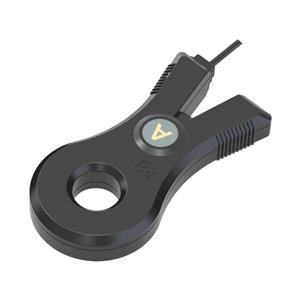
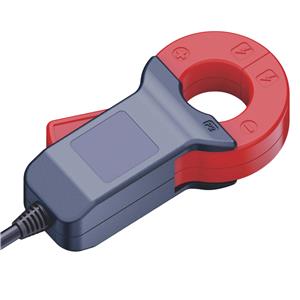
A Current Transformer (CT) is a traditional electrical measurement component widely used in power systems. It works by using electromagnetic induction to reduce high current levels into smaller, measurable signals that can be safely monitored by measurement equipment.
Current transformers are commonly used in applications where high current measurement and electrical isolation are required. They are widely applied in smart meters, power distribution systems, industrial monitoring equipment, and electrical protection systems.
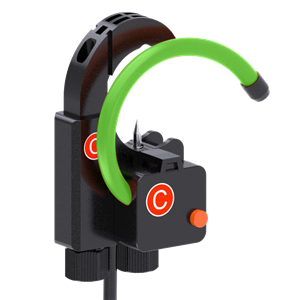
Current Sensors, on the other hand, represent a broader category of technologies used to measure electrical current. Depending on the application, current sensors may use different principles, including Hall effect technology, shunt resistor technology, or other sensing methods.
Compared with traditional current transformers, modern current sensors often provide advantages such as faster response speed, compact size, and suitability for advanced electronic systems. This makes them increasingly popular in applications such as electric vehicles, battery management systems, charging equipment, and energy storage solutions.
Although both technologies serve the same basic purpose—measuring current—the best choice depends on factors such as current range, accuracy requirements, system design, and application environment.
2. Application Differences: When to Choose Current Transformer or Current Sensor
Choosing between a current transformer and a current sensor depends largely on the specific application requirements. Different industries have different priorities regarding accuracy, response speed, installation method, and operating conditions.
Current Transformer Applications:
Smart electricity meters
Power distribution systems
Industrial electrical monitoring
Grid measurement equipment
High current AC measurement
Current transformers are especially suitable for power systems where stable measurement and electrical isolation are important. Their reliable performance makes them a widely used solution in traditional and smart grid applications.
Current Sensor Applications:
Electric vehicle battery systems
Battery Management Systems (BMS)
Energy storage systems
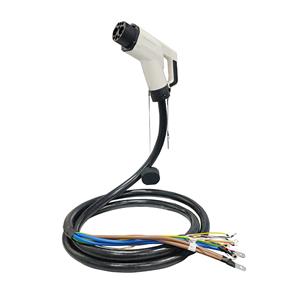
Charging stations
Power electronics
Modern current sensors are designed for applications requiring faster response, higher integration, and precise real-time monitoring. In electric vehicles, for example, accurate current sensing is essential for managing battery charging, discharging, and energy efficiency.
For procurement teams, selecting the correct technology requires evaluating the complete system design rather than focusing only on component price. A professional supplier can help customers choose the most suitable measurement solution based on technical requirements.
3. How to Select the Right Current Measurement Solution for Future Energy Applications
As energy systems become smarter and more connected, the demand for accurate measurement technologies continues to increase. Smart grids, electric vehicles, renewable energy, and energy storage systems all require reliable current monitoring solutions.
When selecting current measurement components, engineers and buyers should consider several important factors:
Measurement accuracy requirements
AC or DC current measurement needs
Operating temperature range
Installation space limitations
Long-term reliability
Customization requirements
For smart meter and power distribution applications, current transformers remain an important solution because of their stability and isolation advantages. For EV and energy storage applications, advanced current sensors provide better flexibility and integration capabilities.
Experienced suppliers with expertise in both current transformers and current sensing technologies can provide more complete solutions for different industries. By combining technical knowledge with manufacturing capability, suppliers can help customers improve system performance and accelerate product development.
As global industries continue moving toward intelligent energy management, choosing the right current measurement technology will become increasingly important for building safer, more efficient, and more reliable electrical systems.
Conclusion
Both current transformers and current sensors play important roles in modern electrical measurement systems. Current transformers remain widely used in smart meters, power grids, and industrial monitoring applications, while advanced current sensors provide flexible solutions for electric vehicles, energy storage, and intelligent power systems. For manufacturers and procurement teams, understanding the differences between these technologies helps ensure the selection of the right measurement solution for each application. With the growth of smart energy and electrification, accurate current measurement technology will continue to be a key foundation for future energy systems.