Designing for Extreme Environments: Wide-Temperature and High-Brightness LCDs for Meters
The Environmental Challenge: From Arctic Cold to Desert Sun
Utility meters, industrial gauges, and outdoor instrumentation are deployed in locations with zero environmental control, facing conditions that would cripple standard commercial displays. The primary adversaries are extreme temperature and intense ambient light. Temperatures can swing from -40°C in a northern winter, where liquid crystal fluidity slows to a crawl, to +85°C+ in a sun-baked meter enclosure or near industrial machinery, threatening driver ICs and causing display fade. Simultaneously, direct sunlight can create >100,000 lux of ambient illumination, completely washing out a conventional LCD and making it unreadable. A meter's display is its primary user interface; if it fails under these conditions, it renders the device non-functional for field readings, diagnostics, and configuration. Therefore, designing a display for these applications is an exercise in environmental robustness engineering, requiring specialized materials, electronic design, and optical treatments to guarantee performance and readability throughout the product's entire service life.
Engineering Solutions: Material Science and Optical Innovation
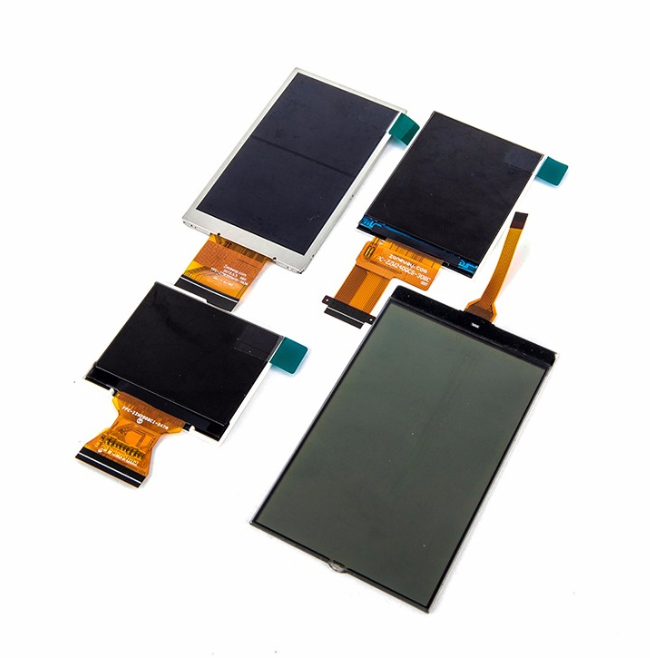
Overcoming these challenges requires innovations at multiple levels. For wide-temperature operation, the core begins with the liquid crystal mixture itself. Special low-viscosity, high-stability LC formulations are developed to maintain a fast response time and stable optical characteristics across the entire temperature range. The polarizer films must also withstand these extremes without delaminating or changing their polarization properties. Electrically, the driver IC and controller are selected or designed for industrial/automotive temperature grades, and the driving voltage waveforms are often temperature-compensated to maintain contrast. For high brightness and sunlight readability, the solution is multi-faceted. It involves increasing the backlight intensity (using high-efficiency, high-temperature LEDs) and, more critically, employing advanced optical enhancement films. These include transflective layers that use ambient light to boost visibility, and anti-reflective coatings applied to the top polarizer to drastically reduce surface glare. The most effective solution is a high-brightness, wide-temperature LCD module that integrates these technologies from the outset. Manufacturers like Oswell specialize in co-engineering the LCD glass, driver electronics, and backlight into a single, guaranteed-performance unit, providing a reliable display subsystem ready for harsh environments.
Application-Specific Design: Tailoring the Display to the Use Case
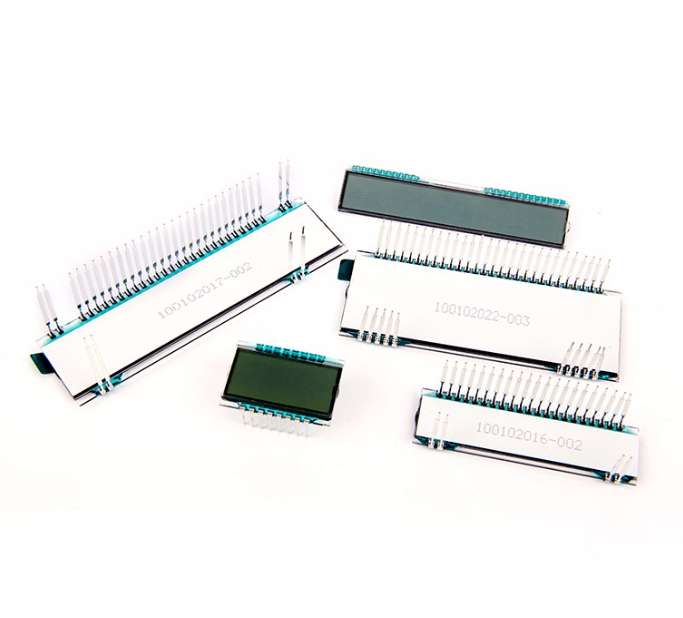
Not all harsh-environment meters have identical requirements, and optimal display design involves tailoring the solution. For a basic residential electricity meter installed on an exterior wall, a moderate-temperature range and medium brightness with good viewing angles may suffice. In contrast, an industrial energy sub-meter inside a steel mill boiler room requires extreme high-temperature resilience. A solar inverter display mounted outdoors demands the highest level of sunlight readability, often favoring a transflective or memory-in-pixel technology that remains visible even with the backlight off. For utility meter readers using handheld devices, the display must combine sunlight readability with ultra-low power consumption. The design process involves careful specification of parameters like operating temperature range, storage temperature, contrast ratio at high ambient light, viewing angle, and power consumption. Partnering with a specialized display provider like Oswell allows meter manufacturers to navigate these trade-offs effectively. They can choose from standard robust modules or collaborate on a custom LCD solution that precisely fits the mechanical, optical, and environmental constraints of their specific product, ensuring the end-user always has a clear window into the meter's data.
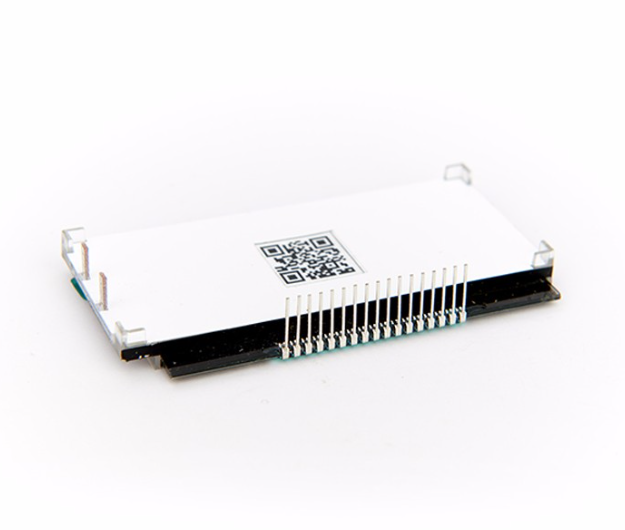
In summary, the display on a meter or outdoor instrument is the critical point of human interaction, and its failure is not an option. Designing for extreme environments requires a holistic approach that addresses the physics of liquid crystals, the reliability of electronic components, and the optics of light management. It moves far beyond the commodity LCDs used in consumer electronics. For meter manufacturers, specifying a wide-temperature, high-brightness LCD module from a proven supplier is a direct investment in product reliability, reduced field returns, and brand reputation. Suppliers like Oswell, with deep expertise in metering components, provide the assurance that the display will perform as critically as the measurement circuitry inside, delivering clear, reliable, and persistent visual information—whether in the freezing dark, the blazing sun, or anywhere in between—for the life of the device.