Efficiently Driving Latching Relays: Integrated Driver IC Solutions
The Challenge: Driving a Bistable Relay with Discrete Components
The primary advantage of a latching (bistable) relay is its zero power consumption in its maintained state. However, this benefit introduces a key design challenge: to change its state, it requires a short, high-current pulse of correct polarity to set or reset the coil. Designing this drive circuit with discrete components—such as transistors, MOSFETs, and peripheral logic—is complex and space-consuming. It typically requires an H-bridge topology to handle bidirectional current, along with precise timing control to ensure the pulse duration is long enough to actuate the relay but not so long as to overheat the coil. Furthermore, discrete designs must incorporate robust voltage spike protection (from the coil's back-EMF) and often lack built-in diagnostics. For a smart meter manufacturer, this translates to a larger PCB footprint, higher component count, increased design validation time, and potential reliability risks in the field, undermining the very efficiency the latching relay aims to provide.
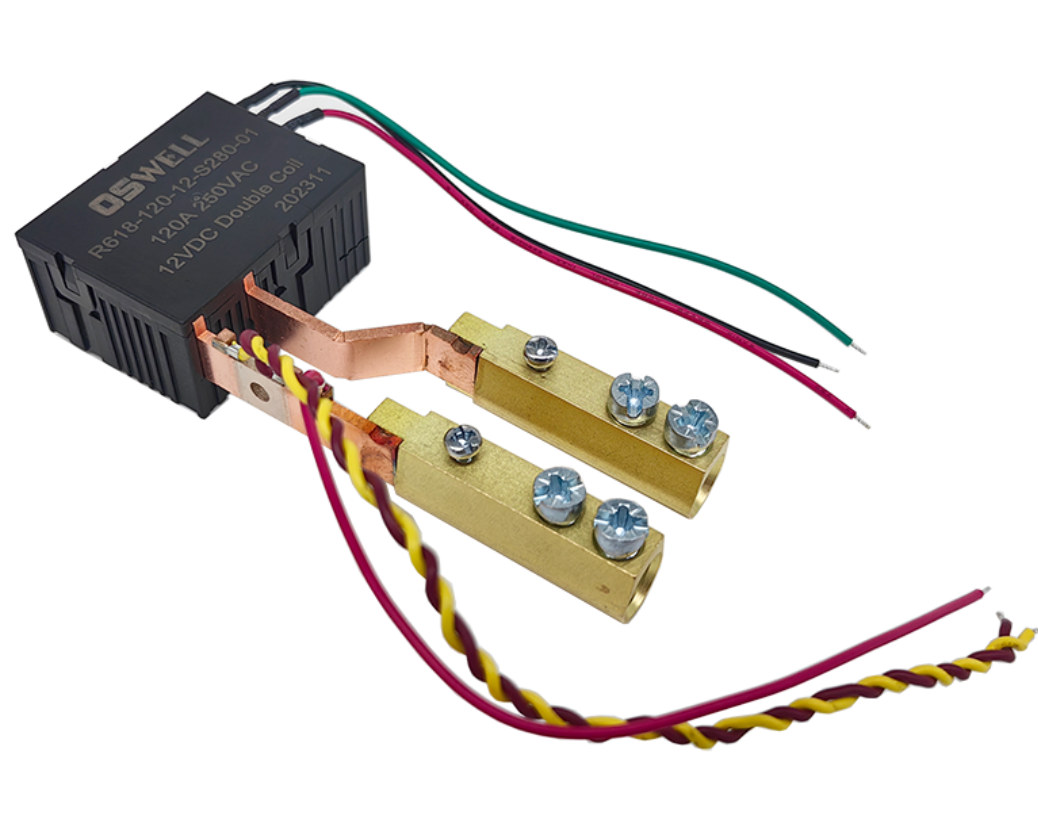
The Integrated Solution: Simplifying Design with Dedicated Driver ICs
Integrated driver ICs elegantly solve these challenges by consolidating the entire drive circuitry into a single, compact package. A dedicated latching relay driver IC typically integrates the full H-bridge, pulse timing logic, and protection features. The designer simply provides a simple logic-level "Set" or "Reset" signal; the IC handles the rest. It generates the precisely timed, high-current pulse with the correct polarity, often with programmable pulse width to match various relay models. Critically, these ICs include essential protection like back-EMF clamping diodes, thermal shutdown, and over-current protection, greatly enhancing system robustness. For a component supplier like Oswell, which provides high-reliability latching relays, recommending or co-developing solutions with compatible driver ICs creates immense value for customers. It enables a plug-and-play reliable interface between the low-power microcontroller and the power-hungry relay coil, dramatically reducing time-to-market and design risk for meter OEMs.
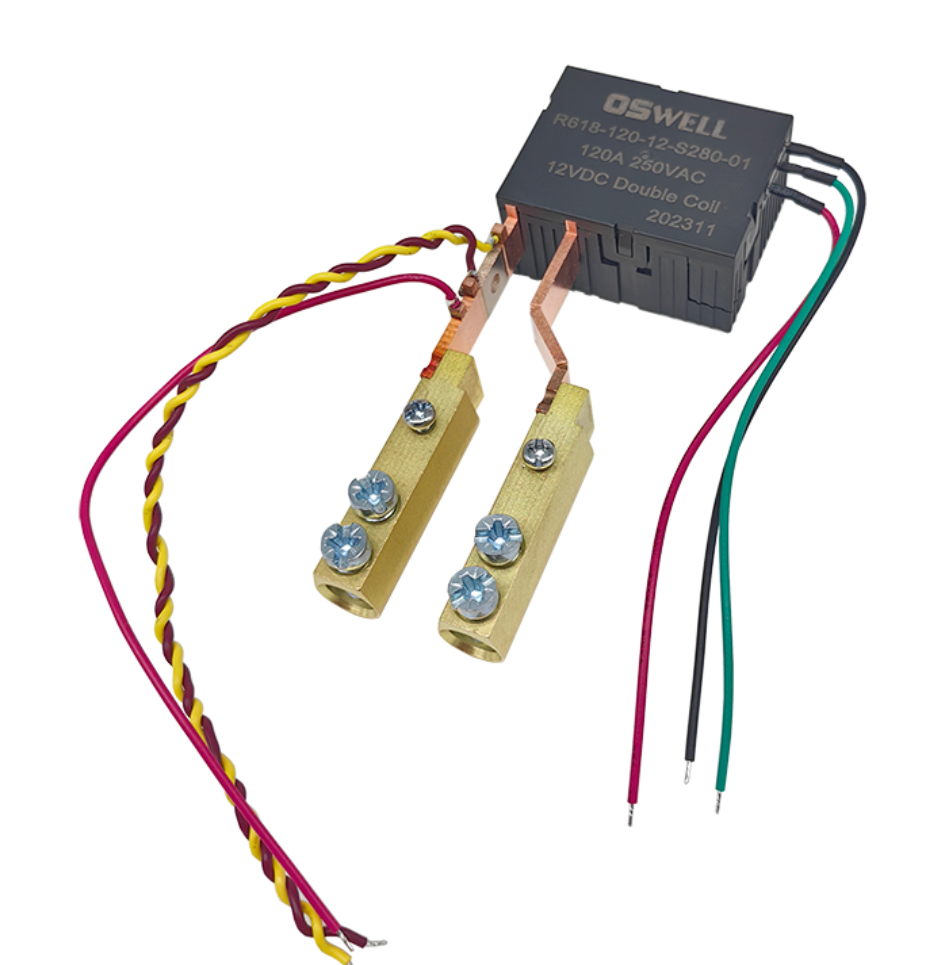
System-Level Benefits: Enhancing Meter Performance and Reliability
Adopting an integrated driver IC solution delivers profound advantages at the overall smart meter system level. First, it drastically reduces the bill of materials (BOM) and PCB real estate, allowing for more compact, cost-effective meter designs or freeing up space for additional features. Second, it improves long-term reliability. The IC's built-in protections guard against voltage transients and coil faults that could otherwise damage the microcontroller or the relay itself. Third, it enhances functional safety and diagnostics. Some advanced driver ICs offer fault feedback pins, alerting the host controller to issues like coil open or short circuits, enabling predictive maintenance. Finally, it ensures optimal and consistent relay actuation. A perfectly tuned drive pulse maximizes the relay's mechanical life and guarantees reliable switching over the entire temperature and voltage range. By pairing Oswell's latching relays with a matched, high-quality driver IC, manufacturers achieve a certified, optimized subsystem that performs flawlessly, ensuring reliable load control and tariff switching for the decades-long lifespan of a smart meter.
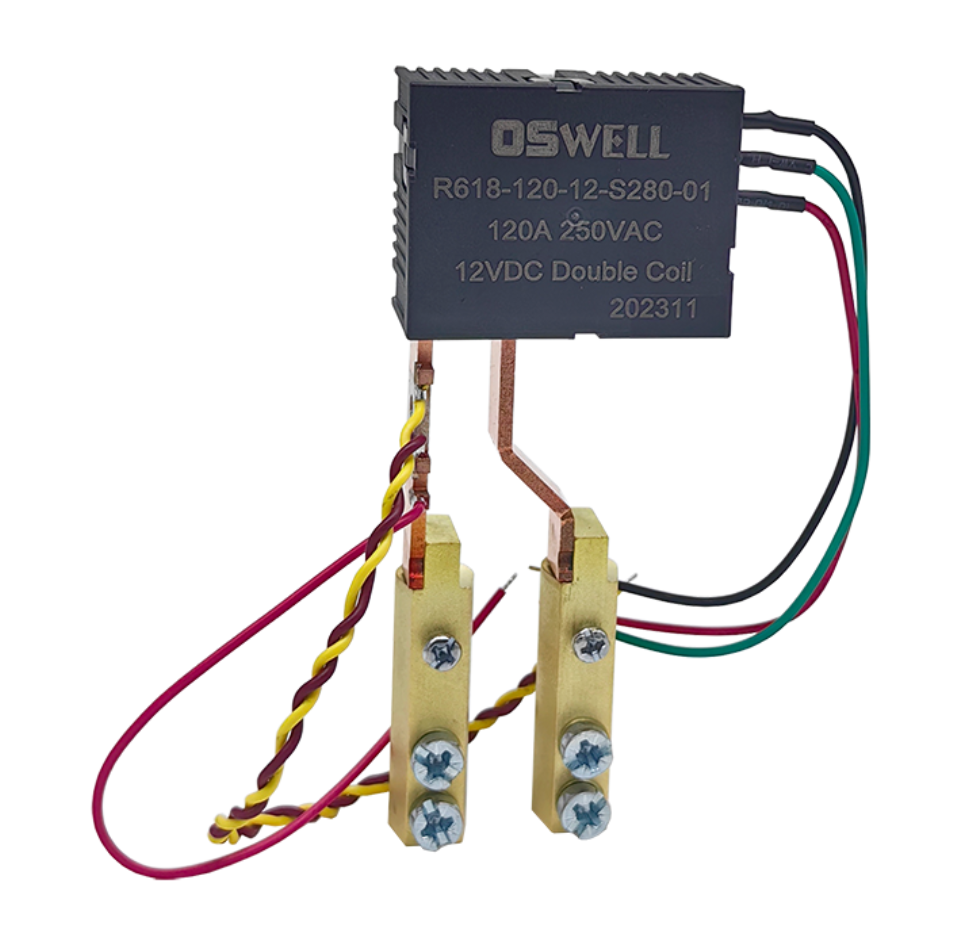
In summary, the full benefit of a latching relay's ultra-low power consumption is only realized with a reliable, efficient, and simple drive method. Discrete circuits add complexity and risk. Integrated driver ICs are the definitive solution, transforming a challenging design task into a straightforward, robust implementation. They are the critical enabling technology that allows latching relays to fulfill their promise in smart meters, IoT energy controls, and other battery-backed or energy-harvesting applications. For procurement specialists and designers, specifying a proven relay-and-driver combination—such as those from suppliers like Oswell who understand the application holistically—is a strategic decision. It minimizes engineering overhead, accelerates product development, and ultimately ensures the field reliability and longevity that are paramount in the global energy metering and management industry.