Ensuring Signal Integrity with High-Precision Miniature Voltage Transformers
Ensuring Signal Integrity with High-Precision Miniature Voltage Transformers
The Critical Role of Miniature Voltage Transformers in Signal Conditioning
In modern electronics, from precision metering to industrial control systems, maintaining signal integrity is paramount. This refers to the preservation of an electrical signal’s quality and accuracy as it travels from a source to a measurement or control unit. High-voltage or noisy power line signals cannot be directly interfaced with sensitive microcontrollers or analog-to-digital converters (ADCs). This is where Miniature Voltage Transformers (VTs), also known as instrument transformers, serve as the indispensable gatekeepers. Their primary function is signal isolation and voltage scaling, safely stepping down high or hazardous line voltages to low-level, manageable signals. However, a standard VT can introduce errors—phase shift, amplitude distortion, and noise coupling—that corrupt the original data. High-precision miniature VTs, like those engineered by Oswell E-Group, are designed to minimize these distortions. They ensure that the isolated secondary signal is a near-perfect, scaled replica of the primary voltage waveform, which is the very foundation of measurement reliability and system safety in applications like energy metering, power quality analyzers, and circuit protection.
Key Design Factors for Uncompromised Signal Fidelity
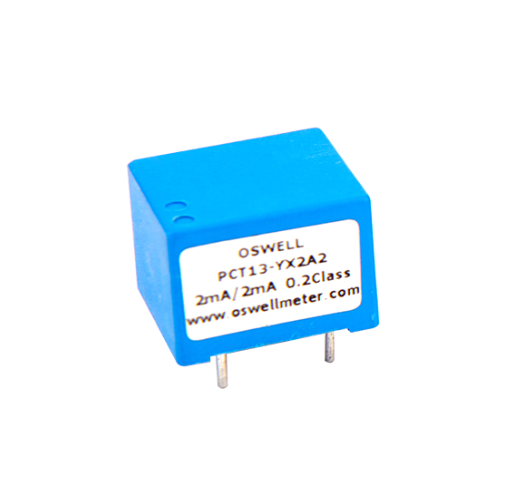
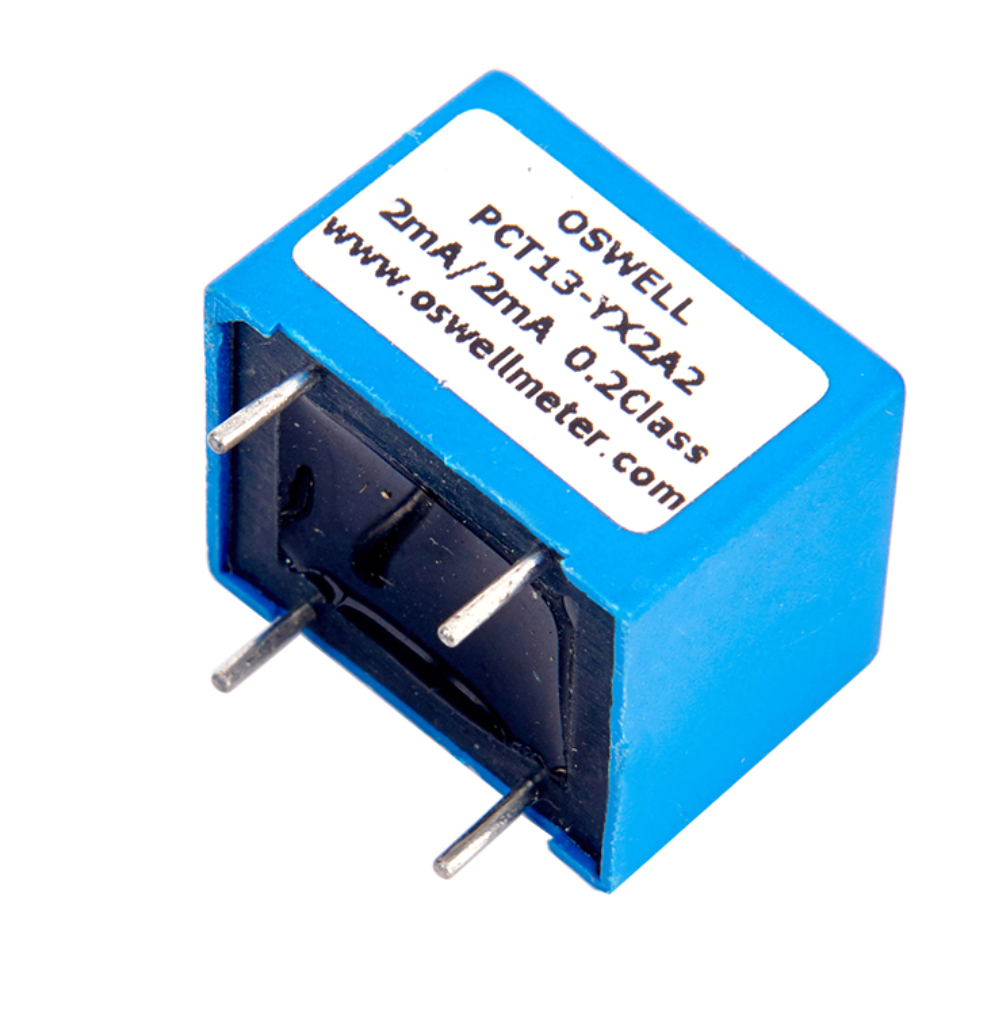
Achieving superior signal integrity is a direct result of meticulous design and material science. Several key factors in the construction of a miniature VT determine its performance. First, the choice of magnetic core material is critical. High-permeability, low-loss materials like nanocrystalline or high-grade ferrites are used to ensure excellent linearity across a wide frequency and voltage range, minimizing harmonic distortion. Second, the precision winding technique is vital. Automated, computer-controlled winding ensures consistent turn ratios and tight coupling between primary and secondary windings, which reduces leakage inductance and improves phase angle accuracy. Third, advanced insulation systems and vacuum encapsulation or epoxy potting (as utilized by Oswell) are essential. They not only provide robust isolation (meeting standards like IEC/UL) to withstand high dielectric stress but also shield the signal from external electromagnetic interference (EMI) and dampen mechanical vibrations that could induce microphonic noise. This holistic approach to design results in VTs with outstanding characteristics: minimal phase error, low ratio error (e.g., Class 0.2), wide frequency response, and high common-mode rejection. These specifications are what allow the transformer to faithfully reproduce the input signal under demanding real-world conditions.
Enabling Advanced Applications Through Precision and Reliability
The true value of high-precision miniature VTs is realized in the performance and capability of the end systems they enable. In revenue metering, they are fundamental for accurate billing, as even minor phase or ratio errors can lead to significant financial discrepancies over millions of measurement cycles. For power quality monitoring devices, they must accurately capture voltage sags, swells, harmonics, and transients without adding their own distortion, which is critical for diagnosing grid issues. In renewable energy systems, such as solar inverter feedback loops or EV charging station control units, they provide the isolated, clean voltage sensing needed for stable, efficient power conversion and system control. Furthermore, their miniature SMT (Surface Mount Technology) or through-hole packages allow integration into compact, high-density PCBs for next-generation IoT-enabled smart devices. The long-term stability and low thermal drift of components from manufacturers like Oswell ensure that this signal integrity is maintained over the product's entire service life, despite temperature fluctuations and aging. This reliability translates into reduced calibration cycles, lower maintenance costs, and unwavering trust in the system's data, empowering smarter energy management and more resilient electrical infrastructure.
Signal integrity is not a luxury but a necessity in today’s data-driven and efficiency-critical electrical systems. High-precision miniature voltage transformers are sophisticated components that do more than just scale voltage; they act as guardians of signal purity. By meticulously addressing core material science, winding precision, and robust isolation, manufacturers like Oswell E-Group produce VTs that deliver uncompromised signal fidelity. This commitment to precision directly enables the accuracy of energy measurement, the effectiveness of power quality analysis, and the reliability of advanced power electronics. Investing in such high-fidelity signal conditioning components is, therefore, a fundamental decision for building trustworthy, efficient, and future-ready electrical and electronic systems.