How Automotive Sensors Improve Reliability in Next Generation Electric Vehicles
How Automotive Sensors Improve Reliability in Next Generation Electric Vehicles
The rapid development of electric vehicles (EVs) is driving significant changes in automotive technology. Compared with traditional vehicles, modern EVs rely on complex electronic systems to manage battery power, energy distribution, motor control, and vehicle safety.
Automotive sensors have become essential components in these advanced systems by providing accurate real-time data for intelligent control and monitoring. From battery management systems to power electronics and charging systems, reliable sensors help improve vehicle safety, efficiency, and overall performance.
For electric vehicle manufacturers, automotive suppliers, and procurement teams, selecting high-quality sensor solutions is a key factor in developing reliable next-generation EV platforms.
1. The Growing Role of Automotive Sensors in Electric Vehicles
Electric vehicles depend on accurate data to operate efficiently. Unlike conventional vehicles, EVs require continuous monitoring of electrical and mechanical conditions to ensure safe and optimized operation.
Automotive sensors collect important information from different vehicle systems, allowing electronic control units to make intelligent decisions.
Key applications of automotive sensors in EVs include:
Battery monitoring systems
Motor control systems
Power electronics management
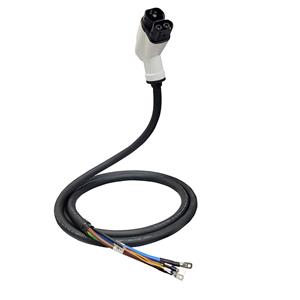
Charging systems
Energy efficiency optimization
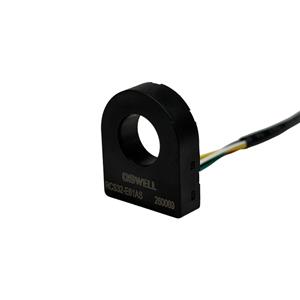
Among these applications, current sensors are especially important because they monitor electrical current flowing through battery packs, inverters, and charging systems.
Accurate current measurement helps the vehicle understand energy consumption, control charging processes, and protect electrical components from abnormal conditions.
As EV architectures become more advanced, the demand for reliable and high-performance automotive sensors continues to increase.
2. How Reliable Sensors Improve EV Safety and Performance
Vehicle reliability depends heavily on the accuracy and stability of sensor data. Poor measurement performance can affect system control, battery management, and overall vehicle safety.
High-quality automotive sensors provide several important benefits:
Improved Battery Safety:
Current sensors help monitor charging and discharging conditions, allowing the Battery Management System (BMS) to prevent overcurrent situations and protect battery cells.
Better Energy Efficiency:
Accurate measurement allows EV systems to optimize power distribution and reduce unnecessary energy losses, improving driving range and overall efficiency.
Enhanced Power Electronics Control:
Sensors provide real-time information for inverters, converters, and motor control systems, helping maintain stable operation.
Predictive Maintenance:
Continuous monitoring allows vehicle systems to identify potential issues earlier and reduce unexpected failures.
For procurement teams, selecting automotive sensors requires careful evaluation of:
Measurement accuracy
Thermal stability
Response speed
Environmental durability
Long-term reliability
Professional sensor suppliers with automotive application experience can provide customized solutions that meet different EV system requirements.
3. Future Trends of Automotive Sensor Technology in Electric Mobility
The future of electric vehicles will be shaped by higher levels of intelligence, automation, and energy optimization. As EV systems become more sophisticated, sensors will play an even greater role in improving vehicle performance.
Future automotive sensor applications will support:
Advanced battery management
Intelligent charging systems
Autonomous driving technologies
Real-time vehicle monitoring
Smart energy management
The development of higher-voltage battery platforms and faster charging technologies will also create new requirements for sensor performance. Components must provide accurate measurement while operating under high current, temperature changes, and demanding automotive environments.
For global EV manufacturers and automotive suppliers, partnering with experienced sensor manufacturers provides advantages in product development, quality control, and supply chain stability.
As electric mobility continues to expand worldwide, reliable automotive sensors will remain a fundamental technology supporting safer, smarter, and more efficient electric vehicles.
Conclusion
Automotive sensors are becoming increasingly important in next-generation electric vehicles by improving safety, efficiency, and intelligent control. Through accurate monitoring of battery systems, power electronics, and charging processes, reliable sensors help EV manufacturers create more dependable and competitive vehicles. For global automotive companies and procurement teams, choosing experienced sensor suppliers is essential for supporting the future development of electric mobility.