How Battery Current Sensors Improve Accuracy in Next-Generation EV Battery Monitoring Systems
How Battery Current Sensors Improve Accuracy in Next-Generation EV Battery Monitoring Systems
The rapid growth of electric vehicles (EVs) is driving continuous innovation in battery technology and energy management systems. As EV manufacturers develop vehicles with longer driving ranges, faster charging capabilities, and higher energy density batteries, accurate battery monitoring has become a critical requirement for ensuring safety, reliability, and performance.
Battery current sensors are one of the most important components within modern Battery Management Systems (BMS). By providing real-time current measurement data, these sensors help monitor charging and discharging conditions, estimate battery status, and optimize overall energy efficiency.
For electric vehicle manufacturers, battery pack developers, and electronic component procurement teams, selecting reliable battery current sensors is essential. High-quality current sensing solutions can improve measurement accuracy, reduce battery risks, and support the development of next-generation electric mobility systems.
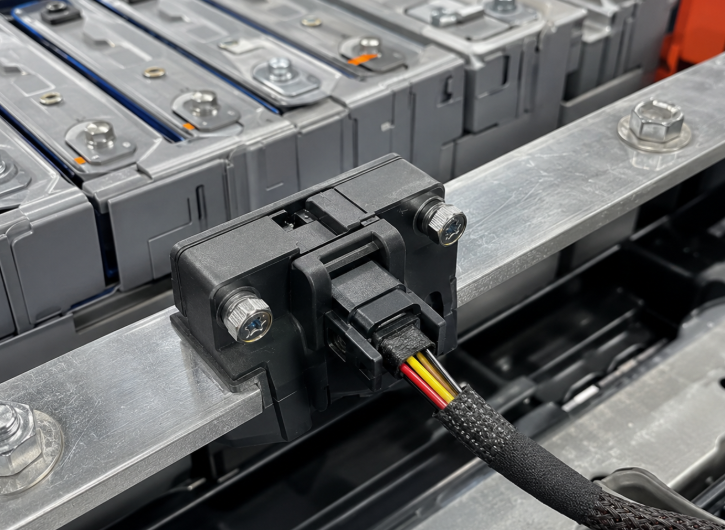
1. The Critical Role of Battery Current Sensors in EV Battery Monitoring Systems
The battery pack is the core energy source of an electric vehicle, and its performance directly affects driving range, charging efficiency, and vehicle safety. To manage battery operation effectively, the Battery Management System needs accurate information about voltage, temperature, and current conditions.
Among these parameters, current measurement plays a particularly important role. Battery current sensors continuously monitor the flow of electrical energy during charging and discharging processes. This information allows the BMS to calculate battery state of charge (SOC), evaluate energy consumption, and detect abnormal operating conditions.
For example, during fast charging, the battery system must carefully control charging current to avoid excessive stress on battery cells. Accurate current data enables the BMS to adjust charging strategies, improve battery protection, and extend battery service life.
During vehicle operation, current sensors also help monitor power consumption under different driving conditions. Whether the vehicle is accelerating, cruising, or recovering energy through regenerative braking, precise current measurement allows the control system to optimize energy distribution and improve efficiency.
2. Key Factors Procurement Teams Should Consider When Selecting Battery Current Sensors
For EV manufacturers and battery system integrators, choosing the right current sensor requires more than simply comparing prices. Since current sensors directly influence battery management accuracy and system reliability, suppliers must be evaluated based on technical performance, quality consistency, and application experience.
Measurement accuracy is one of the most important factors. High-precision current sensors help the BMS obtain reliable data, improving battery estimation accuracy and reducing potential safety issues caused by incorrect measurements.
Thermal stability is another critical requirement. Electric vehicle batteries often operate under high current conditions, especially during fast charging, acceleration, and heavy-load applications. A reliable battery current sensor should maintain stable performance despite temperature fluctuations and long operating periods.
Response speed is also important for modern EV systems. Fast and accurate current detection allows the BMS to react quickly when abnormal conditions occur, helping protect battery cells and improve overall system safety.
In addition, procurement teams should consider customization capability. Different EV platforms may require different current ranges, installation structures, communication interfaces, or packaging designs. Working with an experienced current sensor supplier allows manufacturers to develop solutions that better match their specific battery system requirements.
3. How Advanced Current Sensing Technology Supports Future Electric Mobility
The future development of electric vehicles will depend on smarter battery management, improved energy efficiency, and more reliable electrical systems. As battery capacities increase and charging technologies become more advanced, the demand for accurate current sensing solutions will continue to grow.
Next-generation battery monitoring systems will require more precise data to support intelligent functions such as battery health prediction, optimized charging control, and energy consumption analysis. Battery current sensors provide the essential information needed for these advanced applications.
Beyond passenger electric vehicles, current sensing technology is also expanding into commercial EVs, charging infrastructure, energy storage systems, and renewable energy applications. These industries require components that can deliver stable performance in demanding environments.
For global buyers, choosing a professional battery current sensor manufacturer provides important advantages, including reliable product quality, engineering support, and customized solutions. A trusted supplier can help reduce development risks and improve the long-term competitiveness of EV products.
Conclusion
Battery current sensors are becoming increasingly important in next-generation electric vehicle battery monitoring systems. By providing accurate and reliable current measurement, these components help improve battery safety, optimize energy management, and extend battery lifespan. For EV manufacturers and procurement teams, selecting high-performance current sensing solutions and partnering with experienced suppliers is a key step toward developing safer, smarter, and more efficient electric mobility systems.