How Battery Monitoring Technology Extends the Lifespan of Energy Storage Systems
How Battery Monitoring Technology Extends the Lifespan of Energy Storage Systems
Battery energy storage systems (BESS) are becoming an essential part of modern energy infrastructure as renewable energy adoption continues to grow. From solar power storage and grid stabilization to industrial energy management, battery systems help improve energy flexibility and reliability.
However, the long-term performance of energy storage systems depends heavily on effective battery monitoring technology. By continuously tracking important battery parameters such as current, voltage, temperature, and charging status, advanced monitoring systems help prevent damage, optimize operation, and extend battery lifespan.
For energy storage manufacturers, system integrators, and procurement teams, selecting reliable battery monitoring components is critical for building safe, efficient, and durable energy storage solutions.
1. Why Battery Monitoring Is Critical for Energy Storage System Performance
Battery systems experience continuous charging and discharging cycles throughout their service life. These repeated cycles create stress on battery cells and can gradually reduce performance if the system is not properly monitored.
Battery monitoring technology provides real-time information about battery operating conditions, allowing the Battery Management System (BMS) to make accurate decisions and protect the battery from harmful conditions.
Key parameters monitored by advanced battery systems include:
Charging and discharging current
Battery voltage levels
Temperature conditions
State of charge (SOC)
State of health (SOH)
Accurate monitoring helps identify potential issues before they become serious problems. For example, abnormal current levels or temperature increases can indicate battery stress, allowing the system to take protective actions.
Without reliable monitoring, battery systems may experience reduced efficiency, faster aging, and unexpected maintenance requirements. Therefore, advanced measurement technology is a key factor in maximizing energy storage system value.
2. How Current Sensors Improve Battery Protection and Lifespan
Current measurement is one of the most important functions in battery monitoring systems. Accurate current data allows the BMS to understand how energy flows through the battery and optimize charging and discharging strategies.
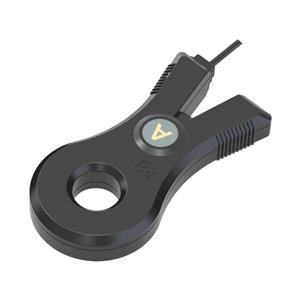
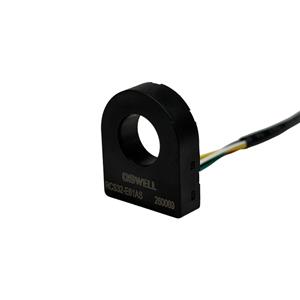
High-precision current sensors and shunt resistors provide reliable measurement solutions for energy storage applications. They help monitor battery conditions and support intelligent control functions.
Advanced current measurement technology helps improve battery lifespan through several ways:
Optimized Charging Control:
Accurate current monitoring allows the system to control charging processes more effectively, reducing unnecessary stress on battery cells.
Preventing Overcurrent Conditions:
Current sensors help detect abnormal electrical conditions and support safety protection strategies.
Improving Energy Efficiency:
Precise measurement enables better energy management and reduces unnecessary power losses.
Supporting Battery Health Analysis:
Reliable measurement data helps evaluate battery aging trends and optimize maintenance schedules.
For procurement teams, selecting battery monitoring components requires attention to accuracy, thermal stability, reliability, and supplier technical capability.
Professional suppliers can provide customized solutions based on different battery capacities, voltage levels, and application environments.
3. Future Trends of Intelligent Battery Monitoring Systems
The future development of energy storage systems will depend on smarter monitoring technologies, advanced analytics, and intelligent energy management platforms.
As battery systems become larger and more complex, future monitoring solutions will focus on:
Real-time battery health prediction
Artificial intelligence-based energy optimization
Remote system monitoring
Predictive maintenance
Higher accuracy measurement technologies
These advanced functions require reliable electrical measurement components that can provide accurate and stable data over long operating periods.
Current sensors, shunt resistors, and other measurement technologies will continue to play an important role in supporting next-generation energy storage systems.
For global energy storage manufacturers, partnering with experienced measurement component suppliers can help improve system reliability, reduce operational risks, and increase customer value.
As renewable energy continues to expand worldwide, battery monitoring technology will become increasingly important in creating safer, more efficient, and longer-lasting energy storage solutions.
Conclusion
Battery monitoring technology plays a critical role in extending the lifespan and improving the reliability of energy storage systems. Through accurate measurement of current, voltage, temperature, and battery conditions, advanced monitoring solutions help optimize performance, prevent failures, and reduce maintenance costs. For energy storage manufacturers and procurement teams, selecting reliable battery monitoring components and experienced suppliers is essential for developing efficient and long-lasting energy storage solutions.